Politics & Government
2026 Candidate Spotlight: Meet Tamie Wainwright
Get to know Tamie Wainwright, candidate for Harford County Council District F, in this Patch candidate profile.


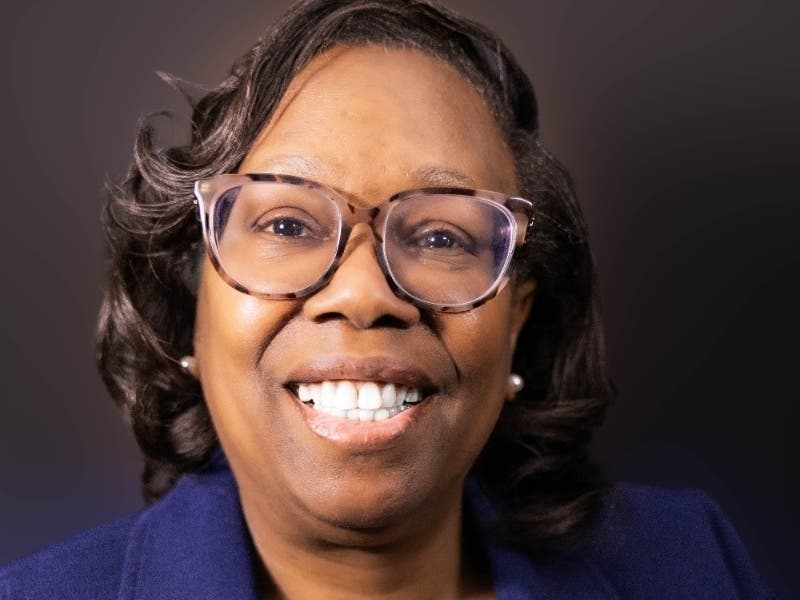
PERRYMAN, MD — Tamie Wainwright has entered the race for Harford County Council District F. Patch posed questions to each candidate running for office.
Below you will find Wainwright's responses, verbatim:
Name: Tamie Wainwright
Find out what's happening in Bel Airfor free with the latest updates from Patch.
Age on Election Day: 57
Hometown: Perryman
Find out what's happening in Bel Airfor free with the latest updates from Patch.
Political Affiliation: Democrat
Email address: tamie.wainwright@gmail.com
Campaign Facebook page: Tamie Wainwright for County Council District F
Do you have any previous political experience?
No
What do you believe is the single-most important issue facing voters in the district you’re looking to represent?
The single most important issue facing voters in District F is how we manage growth. I am not against growth; I am for sustainable, responsible, and community-guided growth that is supported by infrastructure and grounded in modern policy. Residents deserve confidence that development decisions are not being made under outdated zoning definitions, unclear processes, or without full consideration of impacts on traffic, schools, public safety, the environment, and neighborhood quality of life. Growth must strengthen communities, not overwhelm them, and that requires a planning framework that reflects today’s realities rather than decades-old assumptions.
When I am elected, I will work to modernize Harford County’s zoning and land use policies, strengthen transparency, and ensure that planning decisions are predictable, data-driven, and aligned with the county’s comprehensive plan. Sustainable growth means protecting our communities while planning for opportunity, and that is the approach I will bring to the office.
How do you intend to address those issues?
I will begin by requesting a full code and policy audit to identify outdated language, inconsistencies, and gaps that currently undermine public trust and effective planning. From there, I will launch a formal zoning modernization initiative that updates definitions, addresses housekeeping fixes, strengthens use tables and district standards, and incorporates environmental, resilience, transportation, and compatibility criteria. This initiative will also include process reforms and establish mechanisms for regular updates, so the code remains current over time.
To ensure this work is collaborative and credible, I will convene a bipartisan public working group that includes planners, community associations, farmers, developers, environmental advocates, transportation and public works staff, legal counsel, and municipal representatives. Definitions will be updated first, zoning will be aligned with the county’s comprehensive plan, and targeted amendments will be used when a full rewrite is not immediately feasible.
The framework will require periodic reviews every three to five years and establish a standing advisory or technical review panel to monitor emerging land-use trends, legal developments, recurring interpretation issues, regulatory changes, and infrastructure or environmental concerns. Throughout the process, we will apply future-proof drafting principles, rely on measurable standards, and integrate data and mapping into public-facing guidance documents and plain-language summaries of major amendments.
This approach ensures that growth is managed responsibly and transparently, protecting the character and well-being of District F’s communities.
How do you differ from other candidates running against you?
What sets me apart is my commitment to smart governance, shared solutions, and sustainable growth. I am running to be a steady, mature, and community-focused voice for this district. Someone who believes leadership is about solving problems, listening to people, and making decisions that serve the community's long-term good.
I believe voters are tired of division, political drama, and petty social media attacks that do nothing to improve their daily lives. I will not stoop to sniping or personal attacks, because that is not leadership. Real leadership means bringing people together, respecting differences, and focusing on practical solutions that move our district forward.
My approach is rooted in smart governance, being thoughtful, transparent, and accountable in every decision. It is grounded in shared solutions, working with residents, local stakeholders, and community partners so people have a real voice in shaping policy. And it is focused on sustainable growth, ensuring development is planned responsibly, supported by infrastructure, and balanced with the need to protect our neighborhoods, the environment, and quality of life.
I am not running to play political games. I am running to serve with maturity, integrity, and a clear sense of responsibility to the people of this district. My priority is simple: bring people together, govern responsibly, and ensure our community’s future is shaped by smart decisions and a shared purpose.
How would your work experience benefit the goals/objectives you’ve outlined in your campaign and/or the office you’re seeking?
I have more than twenty years of experience as a professional tax preparer, which has given me a deep understanding of fiscal discipline, household economics, and the practical challenges that families and small businesses face when navigating complex systems. My experience managing an office has strengthened my ability to coordinate people, streamline processes, and keep operations running smoothly, translating directly into effective organizational oversight.
As chairwoman of the Aberdeen Heritage Trust, I have experience bringing stakeholders together, preserving community assets, and managing projects that balance history, development, and public interest. My work on the 3P Protect Perryman Peninsula Steering Committee further reflects my commitment to responsible land use, environmental stewardship, and community-driven problem solving, especially in areas facing complex growth pressures. Together, these roles demonstrate a track record of responsibility, collaboration, and community stewardship that aligns with my goals for public service.
What is your opinion of the work being done by the current office holder, and how will you improve on it? If that is you - how do you plan to continue improving upon what you've already accomplished?
I believe the current office holder began with a clear mandate from residents to modernize land-use and zoning policies, strengthen definitions, and address the overconcentration of industrial development in marginalized communities. While some initial steps were taken, that work has not moved forward in a consistent or community-centered way.
In my view, personal and political conflicts have too often overshadowed the core responsibilities of the office, and the needs of District F. Public service requires steady leadership, collaboration, and a focus on the long-term well-being of the people we represent. My commitment is to focus on residents by prioritizing transparent zoning modernization, equitable land use decisions, and a respectful, solutions-driven approach that brings communities, agencies, and stakeholders together.
How do you feel about the school system in your area and what improvements would you like to see be made?
I believe that Harford County Public Schools is navigating significant challenges, and it is important that our approach to education remains focused on student achievement rather than political conflict. The core mission of HCPS is to provide every student with a high-quality, well-supported learning environment, and strengthening that mission begins with ensuring that classrooms, teachers, and students are fully and consistently funded.
This includes investing in the support staff necessary to maintain safe and effective classrooms, so teachers are not required to sacrifice instructional time to manage situations that require one-on-one attention. Additionally, the resources currently used to place students with specialized needs outside the county could be redirected to expand HCPS’s internal capacity by hiring additional paraeducators, behavioral specialists, and special education professionals.
These needs must be addressed within the realities of current budgetary constraints. Reductions in state funding have placed additional pressure on the county budget, making it even more important to prioritize spending that directly supports instruction, staffing, and student services. Careful fiscal planning and transparent decision-making will be essential to ensure that limited resources are used where they have the greatest impact.
Implementing Maryland’s Blueprint for Education is central to long-term improvement. This includes meeting the county’s funding obligations, supporting the career ladder system for educators, expanding access to early childhood education, and strengthening college- and career-readiness pathways. It also requires building the staffing infrastructure envisioned by the Blueprint, particularly in special education, mental health services, and instructional support. By aligning local budgeting and planning with Blueprint requirements, even in a constrained fiscal environment, HCPS can provide educators with the tools, staffing, and stability needed to deliver strong outcomes for all students.
How do you feel about crime in your area, and what steps can be taken to reduce it?
Crime in District F varies significantly across communities, and any effective public-safety strategy must reflect these differences. Areas such as Perryman and the Route 40 corridor experience higher rates of property-related offenses, particularly theft, vandalism, and vehicle-related crimes, due to their concentration of commercial activity, warehousing, and transportation hubs. In contrast, municipalities like Havre de Grace consistently report lower violent crime rates and remain among the safer communities in the county. Understanding these patterns is essential for developing targeted, data-driven responses.
To reduce crime and strengthen public safety, District F needs a coordinated approach that supports both law enforcement and the community. This includes improving communication between the Sheriff’s Office, municipal police departments, and residents; expanding community-based policing in neighborhoods where trust and visibility are essential; and ensuring that officers have the training and resources needed for de-escalation, crisis response, and trauma-informed practices. Addressing root causes is equally important. Investments in youth programming, mental health services, stable housing, and transportation access all contribute to safer, more resilient neighborhoods.
District F also needs stronger land-use planning and zoning enforcement, particularly in areas where industrial clustering has created environmental and public-safety pressures. Ensuring that development aligns with infrastructure capacity, emergency response needs, and community well-being is a critical part of long-term crime prevention. By combining data-informed policing, community partnerships, and responsible planning, we can create safer, healthier, and more stable communities across District F.
What do you think about the economic climate and business sector in your community, and what initiatives could propel it forward?
The economic climate in District F reflects both strengths and structural challenges. Our community benefits from a diverse mix of small businesses, logistics operations, manufacturing, and heritage based tourism. However, much of the recent growth has centered on industries that do not consistently provide stable employment, livable wages, or long term career pathways. For economic development to be meaningful, it must support jobs that allow residents to earn a reliable income and afford to live in the communities they serve.
Moving District F forward requires a more intentional approach to business attraction and land use planning. This includes prioritizing employers who invest in workforce development, offer upward mobility, and contribute positively to the local tax base. It also means supporting small and locally owned businesses, which are essential to community identity and economic resilience. Strengthening transportation access, workforce training partnerships, and broadband infrastructure is equally important. When I refer to broadband infrastructure, I mean expanding high speed internet access for residents, schools, and businesses, not industrial scale data centers. Broadband is about connecting people; data centers are large industrial facilities that do not directly improve local internet access and should not be conflated with community serving digital infrastructure.
A sustainable economic strategy for District F must balance growth with quality of life. By focusing on industries that provide stable employment, livable wages, and the ability for workers to live where they work, we can build a stronger, more equitable local economy that benefits families, businesses, and the broader community.
How do you feel about transportation options in the area and what, if anything, should be improved upon?
Transportation in District F remains a significant challenge, particularly for workers whose schedules do not align with traditional transit hours. Many of our residents rely on early morning, late evening, or shift based employment, yet our current transportation options often fail to meet those real world needs. Reliable transportation is not just a convenience; it is essential for maintaining employment, accessing services, and supporting economic mobility.
I believe we need transportation options that serve the schedules of actual workers and are affordable, convenient, and accessible. This includes expanding transit routes and hours along the Route 40 corridor, improving connections between residential areas and major employment centers, and ensuring that transportation planning reflects the needs of seniors, people with disabilities, and families without reliable vehicles. Strengthening coordination between county services, employers, and transit providers can also help create more predictable and worker friendly options.
Improving transportation is ultimately about strengthening opportunity. When residents can get to work, school, medical appointments, and community resources safely and reliably, the entire district benefits. A more responsive, equitable transportation system will support our workforce, reduce barriers to employment, and improve quality of life across District F.
What else would you like voters to know about you?
Voters should know that I come to this work as a community-rooted leader who understands both the challenges and the strengths of District F. I am a lifelong learner, a caregiver, and someone who has spent years listening to families, seniors, workers, and neighborhoods that often feel overlooked. My approach to public service is grounded in steady leadership, transparency, and a commitment to outcomes, not headlines or personal politics. I believe deeply in responsible growth, strong schools, and the protection of the character and history of our communities as we prepare for the future.
I also bring professional experience in fiscal responsibility, problem-solving, and community engagement. Whether through heritage preservation, nonprofit work, or supporting families as they navigate complex systems, I have always focused on helping people navigate real-world challenges with dignity and clarity. I believe elected officials should be accessible, collaborative, and accountable, and I am committed to making sure residents can see and measure the work being done on their behalf.
Above all, I want voters to know that I view this role as a service, not a platform. My goal is to bring people together, strengthen trust in local government, and ensure that every decision reflects the long-term well-being of District F’s families, neighborhoods, and future generations.
Get more local news delivered straight to your inbox. Sign up for free Patch newsletters and alerts.