Health & Fitness
Therapist in Mourning
How do therapists cope with personal and professional experiences of loss, such as the unexpected death of clients and patient suicide?
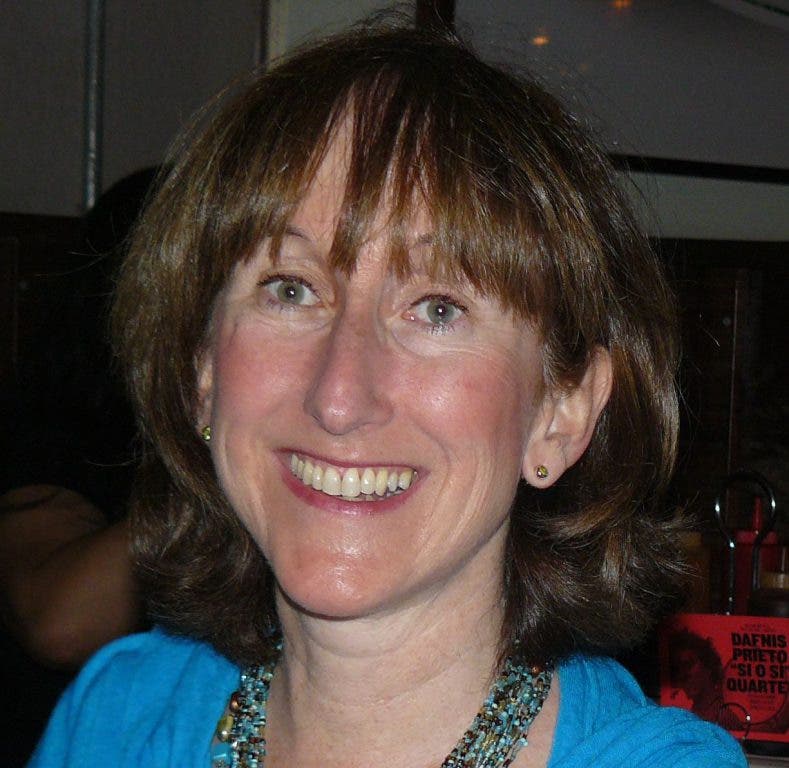

By Kerry Malawista
“The doctor’s world is one where our own feelings—particularly those of pain and hurt—are not easily expressed, even though patients are encouraged to express them to us. We trust our colleagues, we show propriety and reciprocity, we have the scientific knowledge, we learn empathy, but we rarely expose our own emotions.”
These words, written by Abraham Verghese, a physician and author of the best-selling Cutting for Stone, refer to medical doctors, but he could easily have been writing about my own profession of psychotherapy. As therapists we rarely expose our feelings. In the consulting room, we, too, encounter what Verghese calls the “silent but terrible collusion to cover up pain, to cover up depression.”
Find out what's happening in Bethesda-Chevy Chasefor free with the latest updates from Patch.
I spent the past year, along with my colleague, Anne Adelman – who has a private practice in Chevy Chase – exploring the complexity of the therapist’s experience of loss. Motivated by our intensely personal experiences, we engaged our colleagues in the Contemporary Freudian Society – a professional membership organization that trains psychoanalysts – and other therapists around the country in hopes of prompting a much-needed dialogue on a rarely discussed topic.
The result is the new book, The Therapist in Mourning, From the Faraway Nearby, and an upcoming conference titled “Parallel Tracks: When the Therapist Grieves.”
Find out what's happening in Bethesda-Chevy Chasefor free with the latest updates from Patch.
The Therapist in Mourning is a collection of essays by therapists exploring personal and professional experiences of loss, such as the unexpected death of clients and patient suicide, personal loss in a therapist’s life, the grief of clients who lose a therapist, disastrous loss within a community, and the grief resulting from professional losses and disruptions. The first of its kind, the volume gives voice to long-suppressed thoughts and emotions, enabling psychologists, psychiatrists, counselors, and other members of the mental health community to achieve the connection and healing they bring to their own work.
Inspired by the book, this weekend, the D.C. division of the Contemporary Freudian Society is sponsoring “Parallel Tracks: When the Therapist Grieves.” (The conference will held Sunday, June 2 from 2 to 6 p.m. at the Bethesda Hyatt. For information, visit www.contemporaryfreudiansociety.org.)
“Parallel Tracks" will explore the therapist's experience of death and loss, and the problem of loneliness in the practice of psychotherapy and psychoanalysis. When therapists face a loss—whether professional or personal—it is as though we exist on parallel tracks. One track leads us forward, integrating the loss, as we move toward new experiences and relationships, while the other track connects us to the memories that linger right alongside. We continue on with our working lives, but remain haunted by the ghosts of what we have lost. In these moments of grief the clinician's private and professional worlds collide. As therapists, we have no customs or rituals to mark our bereavement, or the language to address these experiences. When we cannot speak openly about our losses they lead to feelings of loneliness and professional stress.
This program, and the book, offer an opportunity to open up a dialogue and shed light on a complex topic.