Neighbor News
Dr. Juliet Agocha: Gas Prices Hit $4 Again as Oil Surge Puts Pressure on American Families
Rising energy costs are creating new financial challenges. Dr. Agocha shares how families can prepare, save, and build economic resilience.

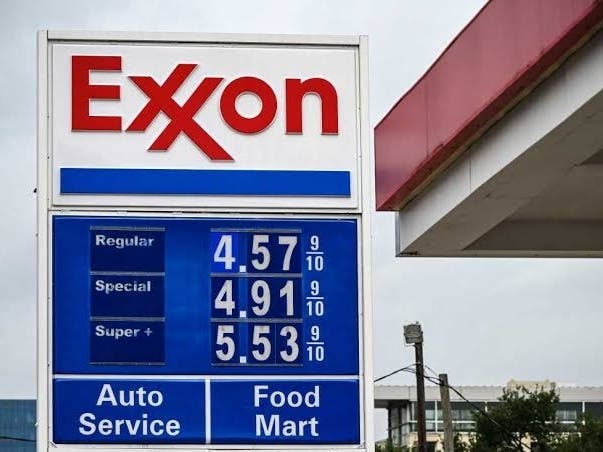
American families are once again feeling the impact of rising energy costs as the national average price of regular gasoline reaches approximately $4 per gallon, fueled by renewed instability in global oil markets.
The increase comes as international tensions, including renewed conflict involving Iran and continued uncertainty connected to Russia and Ukraine, have raised concerns about global oil supplies and energy security. Oil prices have climbed sharply, with markets reacting to fears of disruptions to critical energy routes and supply chains.
For everyday Americans, the impact goes beyond the gas station.
Find out what's happening in Bowiefor free with the latest updates from Patch.
Higher fuel costs can affect the price of groceries, transportation, deliveries, and services because businesses often face increased expenses when moving goods and operating vehicles. Families already managing higher housing costs, childcare expenses, and household bills may find their budgets stretched even further.
Leadership expert Dr. Juliet Agocha says rising costs require both awareness and action.
Find out what's happening in Bowiefor free with the latest updates from Patch.
“Economic challenges remind us of the importance of preparation and responsible decision-making. Families may not be able to control global events that affect prices, but they can take steps to strengthen their financial stability and make their resources work harder,” said Dr. Juliet Agocha.
The Ripple Effect of Rising Gas Prices
Gasoline is a major part of the American economy. When fuel prices rise, the effects can spread throughout communities.
A higher cost at the pump can mean more expensive commutes for workers, increased transportation expenses for small businesses, and higher prices for goods that depend on shipping and delivery.
For many families, this creates difficult choices—whether to spend more on transportation or reduce spending in other areas such as savings, entertainment, or household needs.
Dr. Agocha encourages families to focus on practical financial strategies, including reviewing monthly expenses, planning spending carefully, reducing unnecessary costs, and creating savings habits whenever possible.
“Financial resilience is built through consistent choices. Small adjustments in how families manage their money can create greater stability over time,” Dr. Agocha said.
A Leadership Conversation About Affordability
While families can take steps to manage their personal budgets, Dr. Agocha emphasizes that leaders also have a responsibility to address broader affordability challenges.
“Strong communities depend on families having the ability to thrive. Leadership must focus on solutions that support economic opportunity, strengthen communities, and ensure that working families are not left behind when global events impact everyday costs,” she said.
According to Dr. Agocha, economic success should be measured not only by national indicators but also by whether families can afford essential needs, businesses can remain sustainable, and communities can continue to grow.
Preparing for an Uncertain Economic Future
The return of $4 gasoline serves as a reminder that global events can quickly influence local households. While individuals cannot control international markets, they can make informed decisions that improve their financial preparedness.
Dr. Agocha encourages families to stay informed, plan ahead, and focus on solutions that strengthen their financial foundation.
“Challenges will continue to come, but prepared families and resilient communities are better positioned to overcome them,” said Dr. Agocha.
As energy markets remain uncertain, Americans are watching closely—not only the price at the pump, but what it means for the cost of living and the financial future of families nationwide.