Neighbor News
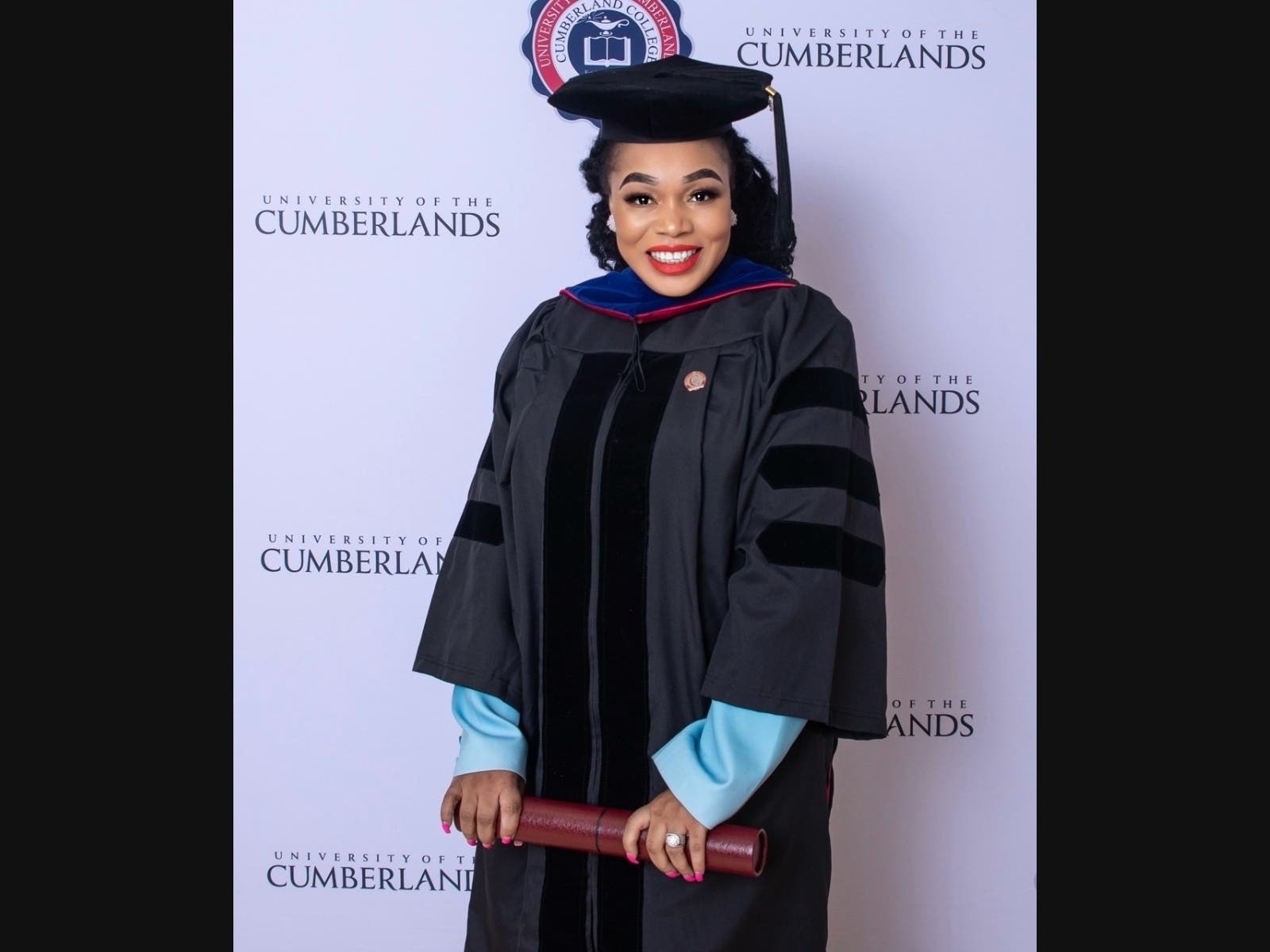
Dr. Juliet Agocha: The Question Many Are Afraid to Ask—Who Should Really Be Called “Dr.”?
Dr. Juliet Agocha, PhD, explains why honorary recognition and earned credentials must remain distinct.

Leadership is built on trust. Trust requires honesty. Trust requires transparency. And trust requires that we respect the meaning behind the titles we use.
Imagine someone received an honorary Olympic medal. Would they call themselves an Olympic champion?
Imagine a police department recognized someone as an honorary officer. Would they introduce themselves as a police officer?
Find out what's happening in Bowiefor free with the latest updates from Patch.
Imagine a military academy presented someone with an honorary commission. Would they begin calling themselves a General?
Of course not.
Find out what's happening in Bowiefor free with the latest updates from Patch.
The honor would be meaningful. The recognition would be deserved. But the title would not represent a qualification they earned.
So why have we become increasingly comfortable with people who receive honorary doctorates introducing themselves as “Dr.”?
The answer is simple: we have blurred the line between recognition and qualification.
An Honor Is Not an Academic Degree
An earned doctorate is exactly that—earned.
Whether it is a Ph.D., Ed.D., D.B.A., M.D., Pharm.D., DNP, or another doctoral degree, the journey requires commitment, discipline, and perseverance.
It involves years of advanced coursework, research, examinations, scholarly writing, and the successful completion of a dissertation or equivalent professional requirements.
Many doctoral candidates spend years sacrificing personal time, financial resources, and family moments to reach that milestone.
An honorary doctorate requires none of those academic requirements.
Universities award honorary degrees because of what someone has already accomplished—not because they completed doctoral-level study.
That is why it is called honoris causa—Latin for “for the sake of honor.”
It is recognition.
It is not an academic qualification.
What It Means to Earn the Title “Dr.”
As someone who earned a Doctor of Philosophy (Ph.D.), I understand firsthand what it means to carry the title “Dr.”
“A Ph.D. is not a gift. It is not an award. It is not something presented because of popularity or influence. It is earned through years of rigorous academic research, critical thinking, and perseverance.” — Dr. Juliet Agocha, PhD
My doctoral journey required years of advanced coursework, extensive literature reviews, original research, data collection and analysis, scholarly writing, and defending my dissertation before a committee of experts.
Every argument required evidence.
Every conclusion required justification.
Every chapter was reviewed, challenged, and strengthened through academic examination.
Behind the title were sacrifices many people never see:
Sleepless nights.
Missed family moments.
Financial investments.
Countless revisions.
Moments of uncertainty.
The determination to continue.
Like millions of doctoral graduates around the world, I earned every letter behind my name.
That is why I believe the title “Dr.” should carry meaning.
It should communicate that an individual has completed the rigorous academic or professional requirements associated with doctoral education.
Why Honorary Doctorate Recipients Should Not Use “Dr.”Individuals who receive honorary doctorates should proudly celebrate the recognition they have received.
They can accurately state:
“Recipient of an honorary doctorate from [University].”
That honors the achievement while maintaining transparency.
However, adding “Dr.” before their name based solely on an honorary doctorate creates confusion because the public generally understands “Dr.” to mean someone who has earned a doctoral degree or professional doctorate.
The issue is not whether the individual is successful.
Many honorary doctorate recipients are among the most accomplished leaders in the world.
The issue is whether the title accurately communicates the qualification behind it.
Leadership requires honesty.
True leaders do not need titles they did not earn to prove their value. Their character, service, and impact speak louder than any title.
An honorary doctorate is a recognition worth celebrating.
An earned doctorate is a credential worth protecting.
The Public Deserves Clarity
When someone introduces themselves as “Dr.,” most people naturally assume they earned a doctoral degree or hold a professional doctorate.
That assumption matters.
A student may believe they are learning from someone with doctoral-level academic expertise.
A patient may assume they are speaking with a qualified medical professional.
An employer may interpret the title as evidence of academic achievement.
A voter may assume a candidate completed advanced doctoral education.
Titles influence trust.
When someone uses the title “Dr.” based solely on an honorary doctorate without clearly explaining the distinction, it creates confusion.
The issue is not whether the person is accomplished.
The issue is whether the title accurately represents the qualification behind it.
Titles should inform, not mislead.
Success Does Not Require a Title
Many highly successful individuals have received honorary doctorates from respected universities.
Oprah Winfrey has received honorary doctorates recognizing her contributions to media, education, and philanthropy.
Bill Gates has received honorary degrees recognizing his contributions to technology and global philanthropy.
Denzel Washington has received honorary doctorates recognizing his achievements in the arts and service to others.
These individuals are extraordinary.
Their accomplishments are undeniable.
Their impact does not require the title “Dr.” to validate their success.
Their work speaks for itself.
That is the true purpose of an honorary doctorate: to recognize greatness—not to create an academic credential.
We Already Understand This Difference in Other Fields
Imagine a university awards an honorary Doctor of Laws degree to a successful entrepreneur.
Would that person suddenly become an attorney?
No.
Imagine a university recognizes a philanthropist with an honorary doctorate in engineering.
Would that person become a licensed engineer?
No.
Imagine a medical school honors a community leader for supporting healthcare initiatives.
Would that person become a physician?
Of course not.
Society understands that recognition does not automatically equal professional qualification.
The same principle should apply to honorary doctorates.
This Is Not About Ego. It Is About Standards.
Some people ask, “Why does it matter?”
It matters because titles exist to communicate qualifications.
The title “Dr.” represents years of academic preparation, research, expertise, and dedication.
If we remove the distinction between an honorary doctorate and an earned doctorate, we diminish the meaning of the title for those who completed the demanding journey required to earn it.
This is not about superiority.
It is about standards.
This is not about excluding successful people.
It is about respecting the difference between being honored and being academically qualified.
Honorary recipients deserve recognition.
Earned doctorate holders deserve recognition.
Both achievements matter.
But they are not the same.
Universities Must Preserve the Distinction
Universities should continue awarding honorary doctorates.
They celebrate leadership.
They recognize service.
They honor innovation and extraordinary contributions.
However, universities should also make the distinction clear: an honorary doctorate is an honor, not an earned academic credential.
Protecting that distinction protects the integrity of higher education.
A Call to Restore Respect
This conversation is not about ego.
It is not about diminishing anyone’s accomplishments.
It is about truth, transparency, and preserving the value of academic achievement.
Honorary doctorate recipients should be celebrated. Their contributions to society may be remarkable and deserving of recognition.
But an honor should never be confused with an earned credential.
As someone who earned a Ph.D. through years of rigorous research, I know the title “Dr.” is more than a prefix before a name.
It represents discipline.
It represents sacrifice.
It represents intellectual contribution.
It represents the completion of one of the highest levels of academic achievement.
It is not simply a title.
It is an earned distinction.
Universities should continue recognizing extraordinary individuals with honorary doctorates. Society should continue celebrating their impact.
But we must also preserve the meaning of the title “Dr.”
Because when every honorary recipient becomes “Doctor,” the title loses the distinction that made it meaningful.
When everyone can claim it, it no longer recognizes those who completed the journey to earn it.
Respect the honor.
Celebrate the achievement.
Protect the title.
Because some titles are given.
Others are earned.
The title “Dr.” should remain one that is earned.