Neighbor News
Dr. Juliet Agocha: What the Two-Year Data Center Moratorium Means for Prince George's County
The facts every resident should know about the benefits, risks, and future of data center development.

As Prince George's County pauses new data center development for the next two years, many residents are asking an important question: What exactly is a data center, and how could it affect my community?
The County Council's decision is not a rejection of technology or innovation. Rather, it is an opportunity to carefully examine how data centers fit into the county's long-term vision for economic growth, environmental sustainability, and community well-being. The moratorium allows county leaders, industry experts, developers, and residents time to evaluate where data centers should be located, how they should operate, and what safeguards should be in place before additional facilities are approved.
What Is a Data Center?
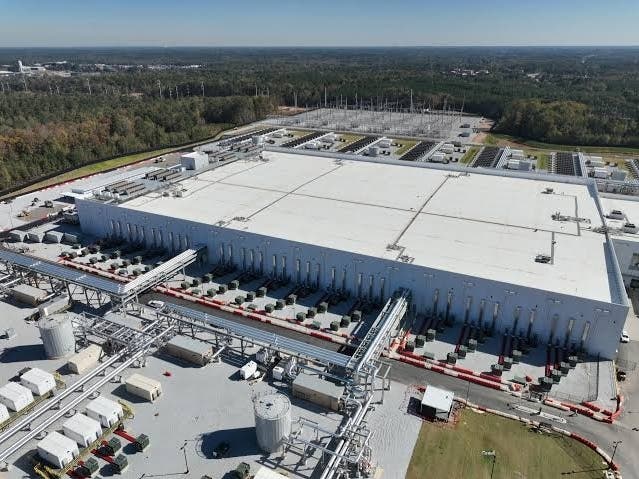
A data center is a highly secure facility filled with computer servers that store, process, and transmit digital information. Nearly every online activity depends on data centers, including:
Find out what's happening in Bowiefor free with the latest updates from Patch.
- Artificial intelligence (AI) tools
- Online banking
- Electronic medical records
- Streaming services like Netflix and YouTube
- Cloud storage
- GPS navigation
- Government services
- Business operations
Every email you send, every online purchase you make, and every AI-generated response you receive passes through a data center.
Why Are Data Centers Growing So Quickly?
The rapid growth of artificial intelligence has dramatically increased the need for data centers. According to the International Energy Agency (IEA), electricity demand from data centers worldwide is expected to more than double by 2030, driven largely by AI applications.
Find out what's happening in Bowiefor free with the latest updates from Patch.
This growing demand has prompted communities across the United States—including Prince George's County—to carefully consider how these facilities should be integrated into local communities.
The Benefits for Prince George's County
If properly planned, data centers can provide several long-term advantages.
Economic Investment
Large data center projects often represent investments worth hundreds of millions—or even billions—of dollars. They can expand the commercial tax base and generate new revenue that may support schools, transportation, public safety, parks, and other public services.
Job Opportunities
Data center construction creates jobs for electricians, engineers, contractors, and skilled trades. Permanent positions may include:
- IT professionals
- Cybersecurity specialists
- Facility engineers
- Building operations staff
- Security personnel
These facilities can also encourage additional technology companies to invest in the region.
Supporting Innovation
Artificial intelligence, cybersecurity, healthcare, financial services, and government agencies all rely on secure digital infrastructure. Communities with modern technology infrastructure are often better positioned to attract innovation and high-tech employers.
What Residents Should Know
While data centers offer opportunities, residents should also understand the potential challenges.
Electricity Demand
One of the biggest concerns is electricity usage.
The International Energy Agency projects that the rapid expansion of AI and data centers will significantly increase electricity demand over the next decade.
Residents should ask:
- Can the existing power grid support additional demand?
- Who pays for necessary infrastructure upgrades?
- Will new facilities rely on renewable energy or fossil fuels?
Water Usage
Many data centers use sophisticated cooling systems that require water to prevent servers from overheating.
Residents should ask:
- How much water will the facility use?
- Will recycled or reclaimed water be used?
- How will water resources be protected during periods of drought?
Noise
Although data centers do not produce manufacturing noise, they operate 24 hours a day using cooling equipment and emergency backup generators.
Developers should explain:
- Expected noise levels.
- Buffer zones.
- Landscaping.
- Noise reduction measures.
Community Impact
Residents should understand how a proposed data center could affect:
- Traffic during construction.
- Property adjacent to neighborhoods.
- Emergency services.
- Future land use.
- Visual appearance of the community.
Questions Every Resident Should Ask
Before supporting or opposing a proposed data center, residents should seek answers to important questions:
- How many permanent local jobs will this project create?
- Will local residents receive hiring preference?
- What environmental studies have been completed?
- What is the projected electricity and water usage?
- How will nearby neighborhoods be protected?
- What community benefits will residents receive?
- Will the developer invest in local infrastructure or workforce development?
Community participation during public hearings helps ensure that these questions are addressed before decisions are made.
Dr. Juliet Agocha's Perspective
Dr. Juliet Agocha, technology expert, community advocate, and 2026 Democratic candidate for Prince George's County Council District 4, said the County's two-year moratorium presents an opportunity to develop a clear, long-term strategy that balances innovation with accountability.
"The question is not whether Prince George's County should embrace technology—we absolutely should. The question is how we do it in a way that protects our residents, strengthens our economy, and preserves the quality of life that our communities deserve."
Dr. Agocha emphasized that responsible leadership requires looking beyond immediate economic gains and considering the long-term impact of development on families, neighborhoods, infrastructure, and the environment.
"Economic development should never come at the expense of public health, environmental sustainability, or community trust. Every major investment should leave our county stronger than it was before—not only by creating jobs and expanding our tax base, but by improving the lives of the people who live here."
Dr. Juliet Agocha noted that the moratorium gives county leaders a valuable opportunity to establish thoughtful policies that encourage innovation while ensuring transparency, environmental stewardship, and meaningful community engagement.
"This two-year period should be used wisely. We have an opportunity to establish clear standards, require accountability from developers, invest in modern infrastructure, and ensure residents have a meaningful voice in shaping decisions that will affect their communities for decades to come."
Dr. Agocha added that Prince George's County has the potential to become a national leader in responsible technology development.
"We should aspire to be a county where innovation and community go hand in hand. That means welcoming investment while insisting on responsible planning, protecting our natural resources, supporting local workers, and ensuring that every development reflects the values and priorities of the people of Prince George's County. That is how we build a stronger, healthier, and more prosperous future for everyone."
Looking Ahead
The two-year moratorium is an opportunity—not a final decision. It gives Prince George's County time to develop clear policies that balance innovation with accountability.
Around the country, communities are wrestling with the same questions: how to attract technology investment while protecting neighborhoods, natural resources, and critical infrastructure. Recent polling found that many Americans remain cautious about hosting data centers in their own communities, underscoring the need for transparency and public engagement as AI infrastructure expands.
For Prince George's County, the path forward should be guided by facts, community input, and thoughtful planning. If done well, the county can position itself as a leader in the digital economy while ensuring that innovation enhances—rather than diminishes—the quality of life for its residents.