Crime & Safety
7 Suicides So Far In 2019, Please Get Help: Howard County Police
Police in Howard County noted the number of suicides so far this year, and reminded residents of the free resources that are available.


HOWARD COUNTY, MD — What could be a troubling increase in the county’s suicide rate prompted the Howard County Police Department to share the news on Friday morning and remind residents there are resources available for help. Its officers have been called to several suicides so far in 2019, police reported, including youths.
"Since the start of the year, Howard County police have responded to seven tragic suicides, several of which were young people," the Howard County Police Department said in a statement on Friday, Feb. 15. "HCPD wants you to know that there is help."
There were 15 suicides in Howard County in all of 2015, and there were 24 suicides the year before, according to the latest data available from the Office of the Chief Medical Examiner.
Find out what's happening in Columbiafor free with the latest updates from Patch.
The Howard County Police Department encourages community members to seek support that is available through a variety of means, including free counseling services, a mobile crisis team that can come to you and 24/7 hotline assistance.
"When someone is having thoughts of suicide, they often believe that no one can understand or help, so they may struggle to talk to someone about it," Tina Field, the hotline manager at Grassroots Crisis Intervention Center in Columbia, told Patch. "We are always grateful when people in crisis pick up the phone or walk into Grassroots for help."
Find out what's happening in Columbiafor free with the latest updates from Patch.
Those suffering are increasingly turning to Grassroots, which is Howard County's 24-hour provider of mental health and crisis intervention services.
"Grassroots has definitely noticed increased help-seeking around suicide," Field said. "The statement from the police department today about the recent losses in Howard County is incredibly tragic."
There has been a 35 percent increase in suicide-related interventions through the hotline and face-to-face interactions at Grassroots compared with this time in 2018, she said.
More youths are also seeking assistance from the crisis center.
"Our Mobile Crisis Team has seen an increase in calls to young people, particularly within Howard County Schools," Field said. "Most of the young people we've worked with have been able to stay at home, rather than be taken to the hospital, due to our goal of safety planning, educating, and providing meaningful referrals."
More than 200 young people, up to age 17, have received help from the Mobile Crisis Team in their homes and schools so far this year, Field reported as of Friday, Feb. 15.
HCPSS Grows Team Of Support Staff
Six social workers were added within the Howard County Public School System (HCPSS) for the 2018-2019 academic year, according to HCPSS Senior Communication Strategist Brian Bassett. The social workers are supporting students in 28 schools with help from the Howard County Health Department and Horizon Foundation.
"We have come a long way in the past year, developing a better mental health support system for students, but still have work to do," Bassett said. "We envision a comprehensive approach led by HCPSS student services staff and community partners who can identify students who are struggling and eliminate barriers to receiving the supports they require quickly and effectively."
Superintendent Michael J. Martirano created a mental health work group in 2018 that meets quarterly to evaluate efforts around students' mental well-being at HCPSS.
There is a page on the HCPSS website about Supporting a Student's Mental Health, including an extensive list of resources.
"The best resources in our schools are the student services staff who are trained to support students who are struggling and having suicidal thoughts," Bassett said. In addition to social workers, HCPSS employs counselors, nurses, pupil personnel workers and support staff who are able to link students with resources.
"I encourage students who may be struggling with suicidal thoughts to reach out to a trusted adult in their school or visit their counselor," Bassett said.
School Responds To Loss
In January, a student at River Hill High School took his own life. The family of the 17-year-old disclosed the cause of death in hopes that it would help others, according to a letter the school principal shared with families.
Counseling was available for students at River Hill following the boy's Jan. 19 death. Students were able to process their grief, make cards for his family and learn coping strategies for the complex emotions that may arise. Both student services and crisis intervention personnel were on campus.
"Please reinforce our message to your child about what to do if someone shares that he or she is thinking of suicide or self-harm. The best thing to do as a friend is to bring it to the attention of an adult who can help. Even if that friend says not to tell, friends always tell someone," River Hill Principal Kathryn McKinley wrote to families on Jan. 22.
"We ask that you assist us in providing the strong and clear message that troubles and concerns should always be shared with trusted people who can help," McKinley said. "Although it might not seem obvious at the time, problems can always be worked out."
Warning Signs May Be 'Harder To See'
It is not always clear that someone is in need, particularly because those suffering may feel like they cannot talk to someone, experts say.
"Suicide is very complex and there's no 'one size fits all' answer to why we are seeing a disturbing increase in losses," Field, from Grassroots, told Patch.
The number-one cause of death for those ages 15 to 19 in Howard County is suicide, according to the Howard County Department of Health.
That sets Howard County teens apart; the Centers for Disease Control and Prevention reports accidents are the number-one cause of death for those 15 to 19 in the U.S. as a whole, with suicide the second leading cause of death.
As teens are going through adolescence, it can be more challenging for others to see they need help and for the young people to use it, according to Field.
"Many times, symptoms of mental illness, social isolation, and other life challenges can combine to bring about a crisis state in someone," Field said. "With younger people, these issues can occur during a life stage that is already chaotic and confusing, sometimes making it harder to see the warning signs and for the young person to reach out for help."
There are resources for everyone, including family members and others, who want to get educated.
"Suicide is a community challenge, so help often comes from the people surrounding the person with suicidal thoughts. We've had many more community members attend the multiple training programs we offer, when compared to years past," Field said. "Training parents, friends, professionals, and general community members about recognizing the signs of mental health crisis, talking to someone who is thinking about suicide, and getting suicidal people help is so important. Helping the community learn how and when to reach out is an important step in reducing suicides."
See a list of upcoming training sessions at Grassroots, including how to recognize signs of a suicide crisis and how to help LGBTQ+ members who may be at risk of suicide.
There are places to turn for those considering self harm. Here are some:
Grassroots Crisis Intervention Center, 6700 Freetown Road, Columbia MD, 21044.
- The center offers 24-hour walk-in counseling services. There is no need for an appointment, and the service is free.
- There is also a 24-hour counseling and crisis intervention hotline available at 410-531-6677. Callers can remain anonymous. Reasons people call include thoughts of suicide, family and relationship problems, volatile domestic situations, shelter problems, loneliness, depression, and chemical dependency issues, among others, according to Grassroots. The hotline is accredited by the American Association of Suicidology. Grassroots handled 38,914 hotline calls in fiscal year 2018.
- The Mobile Crisis Team can come to you, through the hotline or by calling 911, if needed. The team made 881 responses to calls in fiscal year 2018, according to Grassroots.
- Call 211 to be connected with assistance.
- Use the online chat to get support.
- Email info@211md.org for resources.
- Call the Maryland Youth Crisis Hotline at 1-800-422-0009 for immediate help.
National Suicide Prevention Lifeline
- The hotline is available 24 hours a day at 1-800-SUICIDE (or 1-800-784-2433).
- The lifeline also offers services including a live chat on its website.
Warning Signs of Suicide
The U.S. Department of Health and Human Services says these are signs people may be contemplating taking their own life.
If any of these have occurred, you should seek help now, officials advise:
- Talking about wanting to die or wanting to kill himself or herself.
- Saying there is no reason to live, there is no hope.
- Looking for ways to kill self.
- Having extreme mood swings. May include rage.
- Feeling trapped or in unbearable pain.
- Talking about being a burden on other people.
- Increasing alcohol or drug use.
- Withdrawing from people.
- Talking about seeking revenge.
- Acting recklessly.
- Becoming anxious or agitated.
- Sleeping too little or too much.
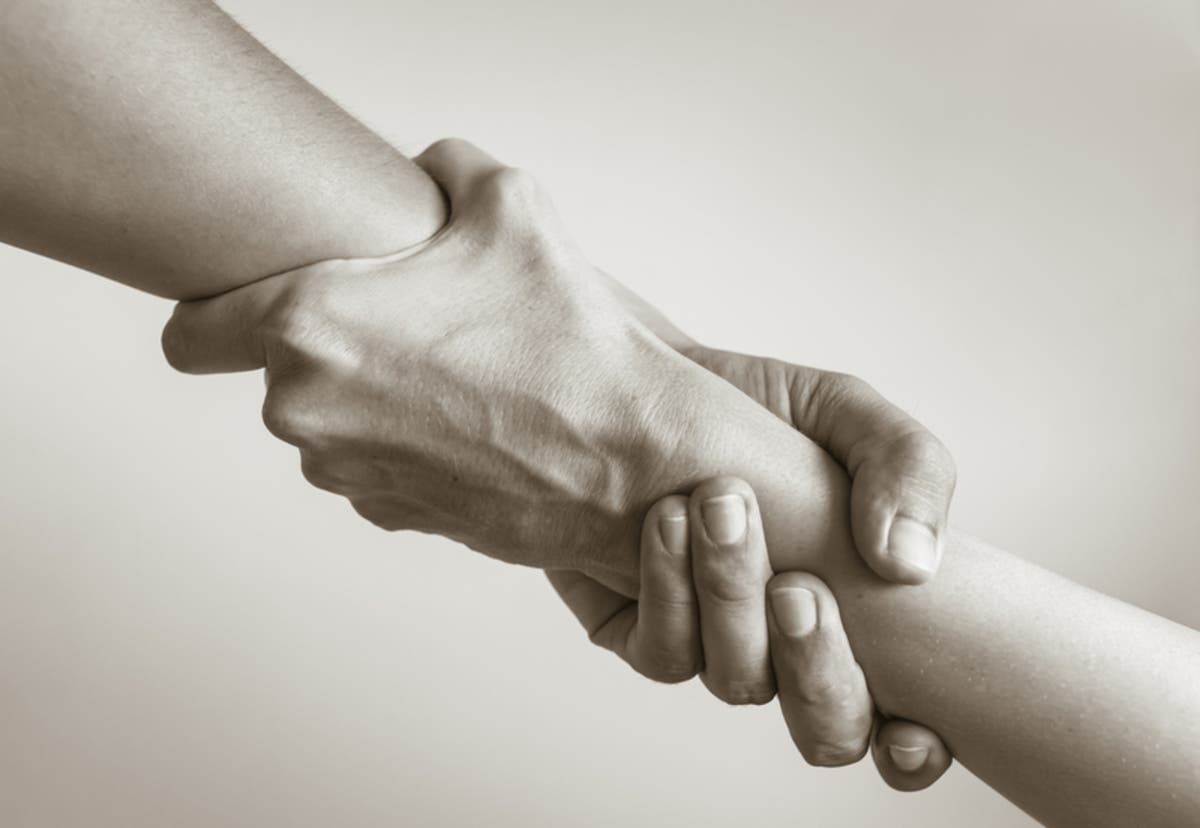
Image via Shutterstock.
Get more local news delivered straight to your inbox. Sign up for free Patch newsletters and alerts.