Health & Fitness
6 Ways to Organize for Back to School
Starting a new school year can be a challenge. But it doesn't have to be. Using these 6 strategies to add organization to your child's day will lead to a less stressful, more successful school year.
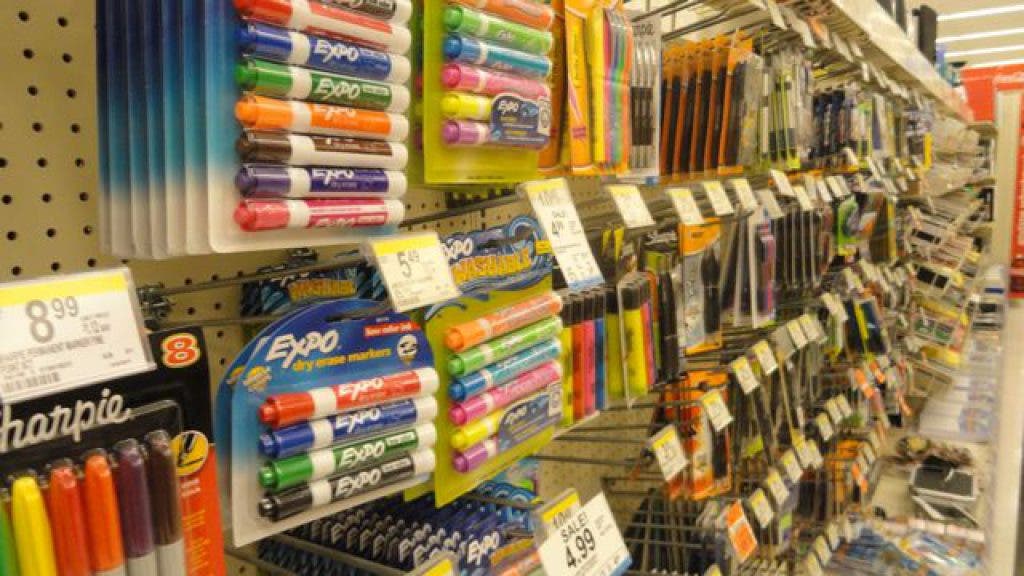
As summer winds down and a new school year begins, are you and your child prepared for the overwhelming amount of paper and activities a new year brings? I've outlined below 6 strategies to help reduce stress and maximize success this school year!
1. Decide on a quiet place where your child can study and complete homework each day. This can be a space in the child’s room or another area of your home.
2. Stock the space with those things your child will need to successfully complete assignments and projects like pens, pencils, highlighters, notebook paper, stapler, etc. Keeping a well-stocked study area eliminates excuses for not completing work! If your child uses a computer to accomplish assignments, be sure to have extra paper and ink cartridges on hand. Find a decorative box or container to keep the area neat and to hold the supplies.
Find out what's happening in Edgewater-Davidsonvillefor free with the latest updates from Patch.
Note to parents: To keep your child from being distracted during homework time, you can use your computer’s Parental Controls feature to manage your child’s computer access. There are also software programs available for sale that offer even greater access management.
3. Use a calendar with blocks to help your child plan out special events, assignment due dates and to track milestones for larger projects.
Find out what's happening in Edgewater-Davidsonvillefor free with the latest updates from Patch.
4. Use a 3-ring binder to organize papers you frequently reference such as lunch menus, schedules, calendars, and class lists. Depending upon the age of your child, he or she may need to set up a binder to organize paper and handouts. If needed, use colored tabs to give each class its own space in the binder.
5. Lose the overstuffed backpack! Each day when your child arrives home, sort through all papers. For those papers like permission slips or fund-raiser information that require some type of action, place them in a to-do tray and get them done by day’s end.
6. Realize that although your child’s work is special and meaningful, not everything needs to be saved. Toss routine papers like daily assignments into the recycle bin. Save only those papers that really showcase your child’s individuality: their first perfect spelling test, a special book report, inspired artwork, or a science project that is truly amazing.
Remember: You don’t need to save everything. When you do, you can’t truly appreciate anything. In a storage box, save only those that make you smile, laugh, or cry. Twice a year, assist your child with a collection “viewing,” while sorting and downsizing a bit more. If you (or your child) are having a tough time letting go, consider sharing some special things with grandparents or a favorite uncle or aunt. For larger projects or objects, take a photo, then toss the project or object into the recycle bin.
For more ideas to help your child have a more organized school year and life, check the Edgewater Branch Library for books such as:
Where's My Stuff? The Ultimate Teen Organizing Guide by Samantha Moss with Professional Teen Organizer Lesley Schwartz
The Organized Student: Teaching Children the Skills for Success in School and Beyond by Donna Goldberg with Jennifer Swiebel
Organizing the Disorganized Child by Martin Kutscher and Marcella Moran
And, if you're a teacher and would like to have a more organized classroom, check out:
Organized Teacher, Happy Classroom: A Lesson Plan for Managing Your Time, Space and Materials by Melanie S. Unger
Have an organized school year!