Health & Fitness
Blog: Wild Rice on the South River!
Did you know we have wild rice in the South River? Learn more about the history of wild rice in our area.
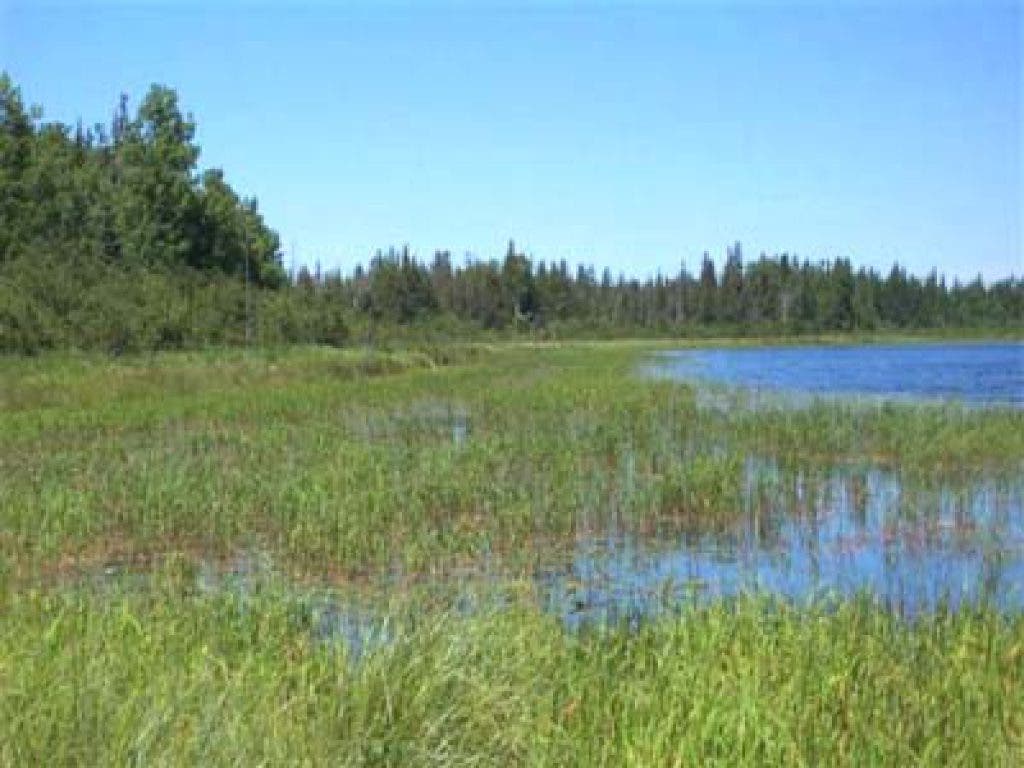


South River Federation staff, board members, and volunteers had all noticed an unusually tall and robust grass growing in the wetlands near St. Georges Barber Road this spring. The area is historically a mix of cattails and other wetland vegetation, and no one was terribly concerned about what the big grass might be. Then, last week, Federation board member John Koontz photographed the grass in bloom - American Wild Rice.
Wild rice was a critical component of the South River watershed for tens of thousands of years, and the species was very important to human survival prior to the agricultural revolution (10,000 - 7,000 years ago). Wild rice is a highly digestible grain that is high in carbohydrates and unlike many native seeds, rice actually swells significantly when being digested by animals or humans. Conversely, dried rice seeds are easy to transport and easy to store without much threat of spoiling—a trait that surely endeared the plant to pre-agricultural Native Americans in the region.
Animals love the plant too.
Find out what's happening in Edgewater-Davidsonvillefor free with the latest updates from Patch.
Wild Rice is an annual grass that grows in wetlands with standing (but not stagnant) fresh water that is clear and cool. Where there's enough flow, it can tolerate a decent amount of mud or pollution, too - and the plants flourish in spring-fed beaver ponds. The seeds are favored by a huge variety of waterfowl, shorebirds, and songbirds, who take any opportunity to get ahold of the rice. Raccoons and muskrats have been known to tear down the plants to eat the seeds!
For thousands of years, patches of wild rice have popped up along creeks of the South River and most other tidal rivers with freshwater shoreline and wetlands. In the deep South, where water in impounded wetlands can get too warm to allow rice to survive, beavers can actually be an impediment to the plant's survival. No evidence of that has been seen in Maryland, however.
Find out what's happening in Edgewater-Davidsonvillefor free with the latest updates from Patch.
Wild Rice's wide success in Maryland has waned in the last 60 years, in fact, as water pollution impacted the plants' ability to germinate and survive, and evolving wildlife management ethics and laws stopped, curtailed, or regulated the hunting of many bird species who prefer wild rice above most other native foods. As the pollution (including sedimentation and erosion issues) impacted the rice colonies' ability to germinate and actually grow plants, the pressure on mature seed-bearing plants became very heavy, especially from red-wing blackbirds, mallard ducks, and resident Canada Geese. Canada Geese, not just satisfied to eat the rice seeds, will happily eat the young plants out of the marsh all spring and summer. Simultaneously, Phragmites—extremely pollution tolerant and goose-resistant - became a major component of the tidal freshwater wetlands that used to be filled with Wild Rice. And as a result, over 99% of Maryland's wild rice acreage was gone by 1999.
However, significant efforts to control Phragmites and resident geese, and propagate wild rice into historic wetland habitats have been underway since that time - and they are having some success. Jug Bay's historic rice wetland showed a 375% increase in Wild Rice from 1999 to 2009. The Anacostia Watershed Society has been replanting historic rice wetlands just outside Washington, DC. Is there room for this species in the South River?
The South River's geography does not lend itself to huge acreages of wild rice, but as the River improves in health, and as beavers continue to increase in number in the watershed and continue to repair prehistoric wetlands where they've lived for thousands of years, we are likely to see more and more small rice patches. Let us know if you see one!