Health & Fitness
Heroin Crisis: Desperate Families Wonder If Anyone Cares
Moms from Edgewater and Mount Airy work to get sons and others in heroin treatment programs, and they say the state of Maryland can do more.


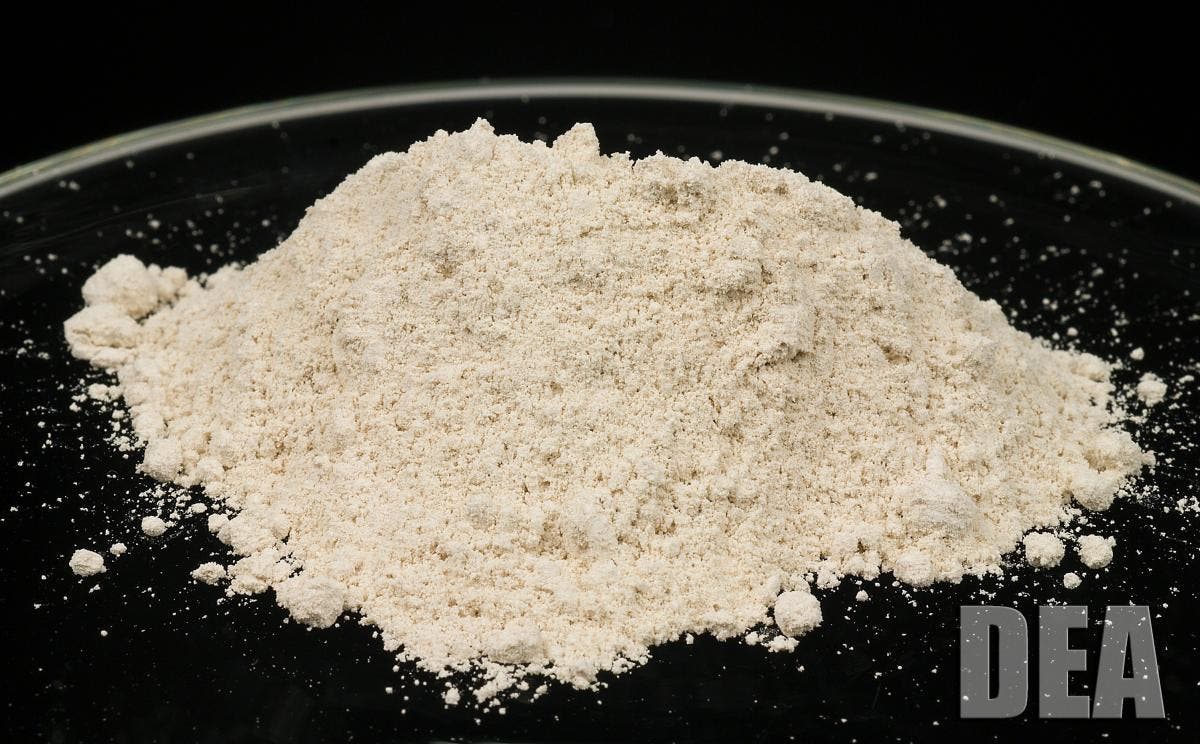
Nobody cares if heroin addicts live or die. That’s the only explanation Carin Callan Miller can reach for the lack of action she perceives as Maryland and the country ineffectually battle a heroin epidemic.
“We’re losing 129 people a day nationwide. I don’t know why this isn’t a national emergency,” said Miller of Mount Airy, the president and co-founder of Maryland Heroin Awareness Advocates.
In 2015, the state saw a 21 percent increase in the number of deaths from drug and alcohol intoxication, according to the Maryland Department of Health and Mental Hygiene. A total of 1,259 overdose deaths occurred in Maryland last year.
Find out what's happening in Edgewater-Davidsonvillefor free with the latest updates from Patch.
And the state is on pace to equal or surpass that tragic number in 2016. The most recent tally from the health department shows that from January to March this year, Maryland saw 383 deaths related to overdose.
Miller’s organization of family members advocates for prevention and tries to educate the community, including police officers, on the disease of addiction. Her journey with an adult son who is now a recovering heroin addict may help others grappling with the quagmire of opiate abuse.
Find out what's happening in Edgewater-Davidsonvillefor free with the latest updates from Patch.
SEE ALSO: Heroin Epidemic Escalates Across Maryland
Despite warnings that one dose of the illicit opioid can be not only instantly addictive but sometimes fatal — either in the short term or the long run — heroin usage has increased in the state in recent years.
“If there was a word bigger than epidemic that would be it. It is an epidemic,” said Lt. Ryan Frashure, public information officer for the Anne Arundel County Police Department.
More recently, police and emergency responders have seen fentanyl mixed with heroin, which has accelerated the number of overdoses. The drug given by hospitals to surgery patients is much stronger, and users are taking the same dosage, which their bodies can’t handle.
State Needs More Treatment Facilities
Maryland needs residential treatment beds, say Miller and group member Melissa Eppinger of Edgewater. Addicts are dying while waiting for in-patient treatment spots to open up, Eppinger said, and her own son is in North Carolina at a residential program.
Once patients have completed treatment, aftercare is imperative, Miller says, as addicts learn to cope without the drug.
“It’s two steps forward, 10 steps back half the time, it’s so frustrating,” Miller says. “Just as if these kids had cancer, the first five years is considered early recovery. After that, you’re in remission. It should be the same for addiction.”
Eppinger has spoken to police and crisis intervention team training sessions in Anne Arundel County. Every Anne Arundel County police officer is trained to use Narcan; it was one of first departments in the state to carry the drug, which can reverse the life-threatening effects of an overdose.
Her message, as a mom, to emergency responders, is simple: “The next time you go on a call, remember that’s someone’s child out there.”
And in some counties, overdose victims are left to fend for themselves instead of being connected with hospitals and treatment programs. For some addicts, such as Eppinger’s son, there are underlying mental health issues – ADHD, bipolar or depression – that the user is self-medicating to cope with.
More skilled health-care workers and accredited treatment facilities, along with properly staffed halfway houses, are needed across Maryland to help continue the care, both women said.
“We’ve been through hell,” Eppinger said.
In Miller’s experience, halfway houses are run by people with no training who are just trying to earn rent money and view their clients as units and not patients.
“There’s nobody caring who lives and dies,” she says.
Miller said 17 of 20 people she’s helped get into treatment had to go to Florida to find long-term treatment programs.
“Why isn’t this a state of emergency at the federal level?” Eppinger asked. “It’s all just smoke and mirrors and talk.”
State Efforts to Fight Heroin
When Maryland Gov. Larry Hogan took office he organized meetings across the state on the heroin crisis. In December 2015, the Heroin and Opioid Task Force issued its final report, which contained 33 recommendations to address heroin and opioid abuse, including expanding access to treatment and boosting overdose prevention efforts. The governor’s office says money has been included in the last two budgets to address heroin addiction and treatment.
But there is no systemic framework in place so that police, drug courts, hospitals and treatment facilities all talk to one another about what can help an addict, say Eppinger and Miller.
For seven years, Eppinger has tried to help her son through treatment and recovery. “I’m just waiting for the phone call,” she said. “I almost lose hope.”
Other findings in the state report:
- Eighty-six percent of all overdose deaths in 2015 involved opioids – which include heroin, fentanyl and prescription drugs such as oxycodone and methadone. Large increases in the number of deaths tied to heroin and fentanyl were responsible for the overall increase in opioid-related deaths.
- Between 2014 and 2015, the number of heroin-related deaths increased by 29 percent (from 578 to 748), the number of fentanyl-related deaths nearly doubled (from 186 to 340), and the number of prescription-opioid related deaths increased by 6 percent (from 330 to 351).
- The number of fentanyl-related overdose deaths began increasing in late 2013 as a result of illegal labs making and mixing fentanyl with heroin or other substances. The number of deaths caused by fentanyl has increased 12-fold since 2012.
In mid-July Congress approved a bill that should help communities develop treatment and overdose programs for opioid abuse. President Obama said he signed the bill, even though its $181 million in annual funding "falls far short" of what is needed, CNBC reports.
Obama had asked Congress for more than $1 billion for addiction treatment.
According to ABC News, more than 47,000 U.S. drug abuse deaths were recorded in 2014, double the number in 2000.
Where to Get Help in Maryland
Maryland residents who need help finding substance abuse treatment resources should visit the Department of Health website for links to substance abuse treatment facilities. Or call the Maryland Crisis Hotline, which provides 24/7 support, at 1-800-422-0009.
If you know of someone who could use treatment for substance abuse, treatment facilities can be located by location and program characteristics online.
Get more local news delivered straight to your inbox. Sign up for free Patch newsletters and alerts.