Community Corner
Oella History: Modernization, Including Plumbing, Came Slowly
This historic mill town still has a strong sense of community.
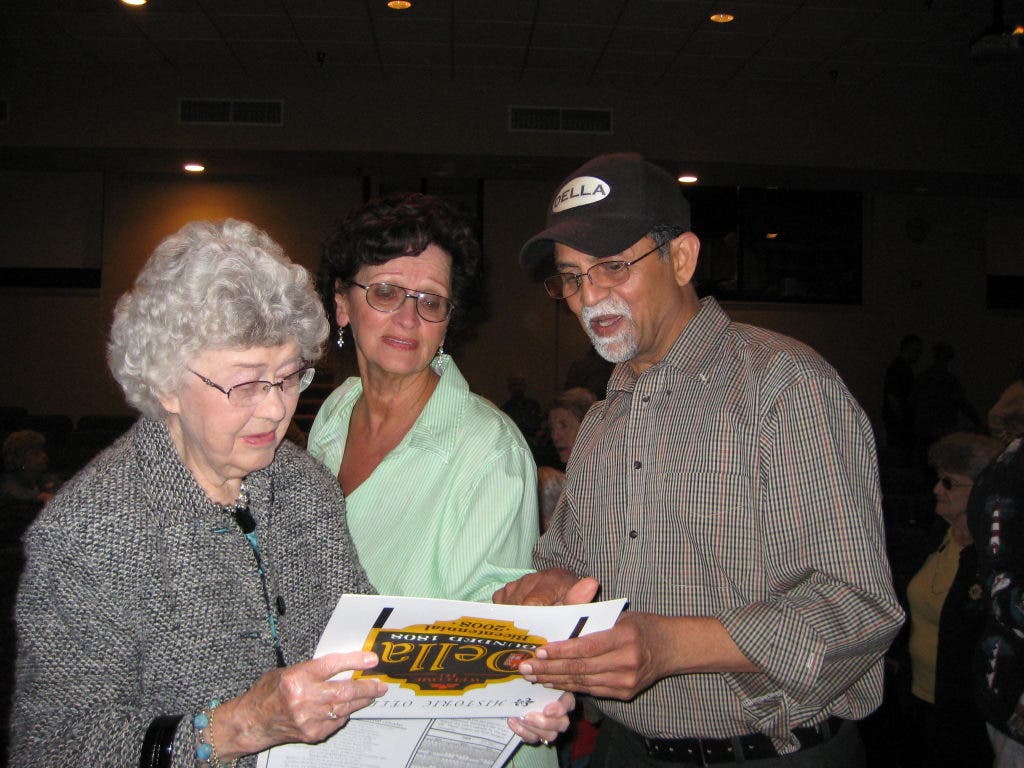
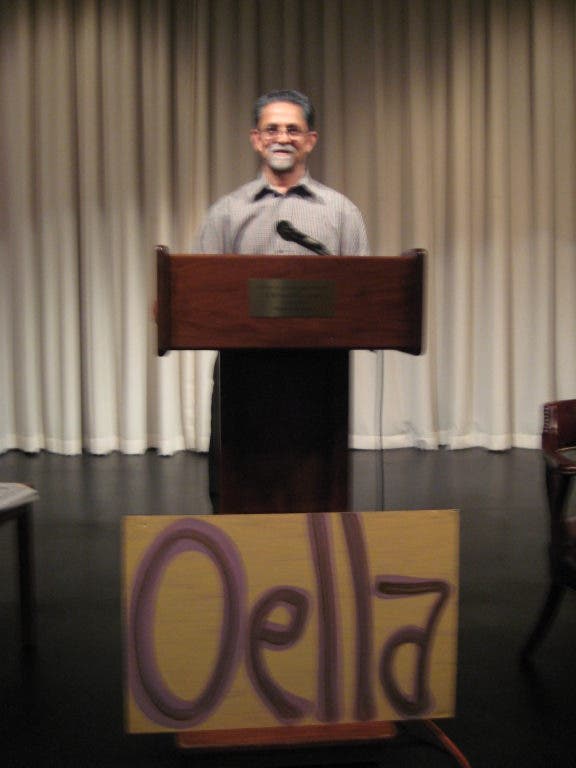


On Monday night in the lecture hall at theCharlestown Retirement Community, the annual meeting of the Catonsville Historical Society featured Jadish “Jay” Patel’s lecture about his favorite subject: his adopted home of Oella, its history and its relationship to the Patapsco River.
Jay is the owner and proprietor of Jay’s Country Corner Store, located at the corner of Oella Avenue and Westchester Avenue. He bought the property in 1983, attracted by...outhouses.
“When I was a boy in India, we didn’t have outdoor toilets. When my family moved to Uganda, we used outhouses," Patel said. "As a young man in Singapore, I used outhouses. When I finally came to Oella in 1983 and saw all the outhouses, I knew I was home.”
Find out what's happening in Ellicott Cityfor free with the latest updates from Patch.
Because Oella was a company town, with almost all property and services owned by the mill, it was not until 1976, after the Oella Mill had closed that Baltimore County began a $3.1 million dollar modernization plan, Patel said. The last of the plumbing was in place by 1984.
Now, Patel claims, the old outhouses have become collectors’ items, with people paying hundreds of dollars to move them and place them in their backyards for souvenirs.
Find out what's happening in Ellicott Cityfor free with the latest updates from Patch.
The mill which was and still is at the center of life in Oella came into existence because of the proximity of the Patapsco River. In 1808, the Union Manufacturing Company purchased over 800 acres along the Patapsco River, and in 1811, they patented the name of “Oella.” Legend has it that the name came from the first woman to spin cotton in the Americas.
The Union Mill, later named the Oella Mill, literally owned the town. It was not only the principal employer, it built and rented out the housing. Over time, the village came to include a general store, the building now owned by Patel, which was built in 1912, three churches and a social hall. Today it is the old Westchester School, which served Oella’s children from 1924-1977, which functions as the Community Center. The town leases the building from the Baltimore County Public Schools for $1 a year, and the center hosts all kinds of meetings, from Irish dancing to yoga, and functions in many ways, from a church to a day care center.
The mill evolved as a business with its ups and downs according to demand for textiles, mainly cotton and wool. In the early 19th Century, there were as many as 300 employees, and the Union Mill was one of the largest textile manufacturers in the country. During World War II, the mill was busy making army blankets. The Oella Mill ceased operating in 1972. In the 70s and 80s some space in the old mill building was rented to local artists and antique dealers. Today it houses 147 apartments in the Residences at Oella Mill.
One of the many things Patel loves about Oella is hearing the train whistle at night as CSX trains still carry freight on the old Baltimore and Ohio rail line along the Patapsco River bed. This rail line between Baltimore and Ellicott City was the first railroad in the country.
Patel welcomed everyone to explore his historic village and appreciate its changes and resilience, to visit his old fashioned country store and to take a walk along the beautiful No. 9 Trolley Trail which passes through Oella.