For years I’ve been dropping hints to my family that we should set up a compost pile, met always with the same reply: it’s too much work. The whole green vs. brown material and the turning and the watering and the animal problems are just more trouble than the end product is worth.
But with compostable material comprising between 10 and 20% of municipal waste and around a quarter of all food in the U.S. thrown in the trash, now seemed the best time to reconsider the hassle of compost. After all, there’s only so much space in the world, and the global population continues to grow at an astonishing rate.
I discovered that the main objections to composting are related to the perceived difficulty of starting up or the so-called “gross” factor. I also learned that composting is no longer restricted to the backyard, making it easier than ever before. Now available from commercial producers are both kitchen and outdoor compost bins. With the in-kitchen varieties, composting can occur year-round.
Find out what's happening in Hunt Valley-Cockeysvillefor free with the latest updates from Patch.
As for the gross factor, it’s less prominent in the process than you’d think. Properly maintained, compost piles should be odor-free. What’s more, compost can work wonders in a lawn and garden as a natural fertilizer. This reduces the need for commercial fertilizers, saving money and providing a planet-friendly and sustainable alternative to harsh chemicals. Increased ability to absorb air and water, reduced erosion, and weed suppression in soil are also counted among the benefits of composting. Not to mention fewer pounds of waste cluttering limited landfill space.
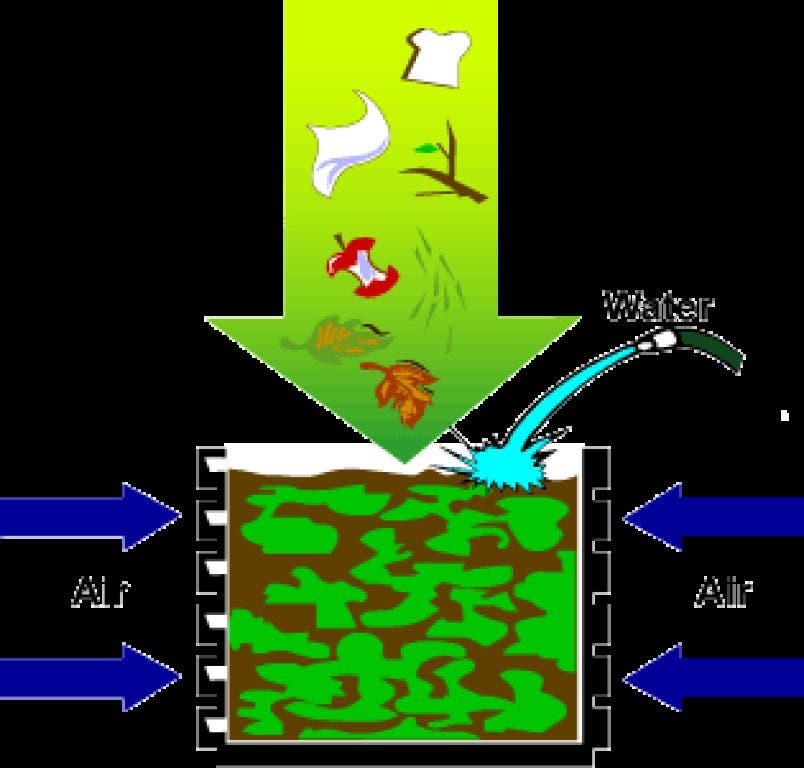
Setting up a backyard compost pile seems to be the most common method of composting. One can look to enclosed bins made commercially, or fashion their own using materials such as chicken wire and lumber. It is important to choose a site with sufficient air flow and drainage for efficient decomposition. Alternating between layers of carbon-rich “brown” material, such as paper scraps, sawdust, dead leaves, and straw, and nitrogen-rich “green” material, such as food scraps, lawn trimmings, coffee grounds, tea bags, manure, and wilted plants ensures well-balanced soil. After collecting kitchen and yard scraps, maintaining the pile is as simple as keeping it moist and turning it every two to four weeks. Depending on the contents and how well the pile is maintained, the nutrient-rich product should be ready in 6 to 8 months, when dark brown.
Find out what's happening in Hunt Valley-Cockeysvillefor free with the latest updates from Patch.
And the microorganisms that come with spoiled food? Harmful bacteria – the kind that don’t help in the decomposition process in coordination with fungi, mold, and earthworms- are conveniently destroyed in the intense heat (145-165 degrees Fahrenheit) that develops toward the center of the pile. This sanitization makes turning the pile all the more important to ensure that all components are exposed to the center at some point. Certain kitchen scraps should not be composted altogether, due to their unpleasant odor when spoiled or their hindering of the decomposition process, including dairy products and fat.
Still, some people shy away from the idea of composting, especially with methods such as vermicomposting, or the use of red wiggler worms to speed the decomposition process. Many are reluctant to invite the invertebrates into their homes in so-called worm bins, but evidently the efficiency of their work in producing “black gold” has changed many skeptics’ tunes.
As long as the proper steps are taken, it seems, composting can be easily worked into a daily routine, serving the health of our gardens and planets.
References: