Health & Fitness
Trashy Tides: Litter at the Global Scale
How the empty plastic bottles on the side of the road effect marine life and our food supply, and what you can do about it.
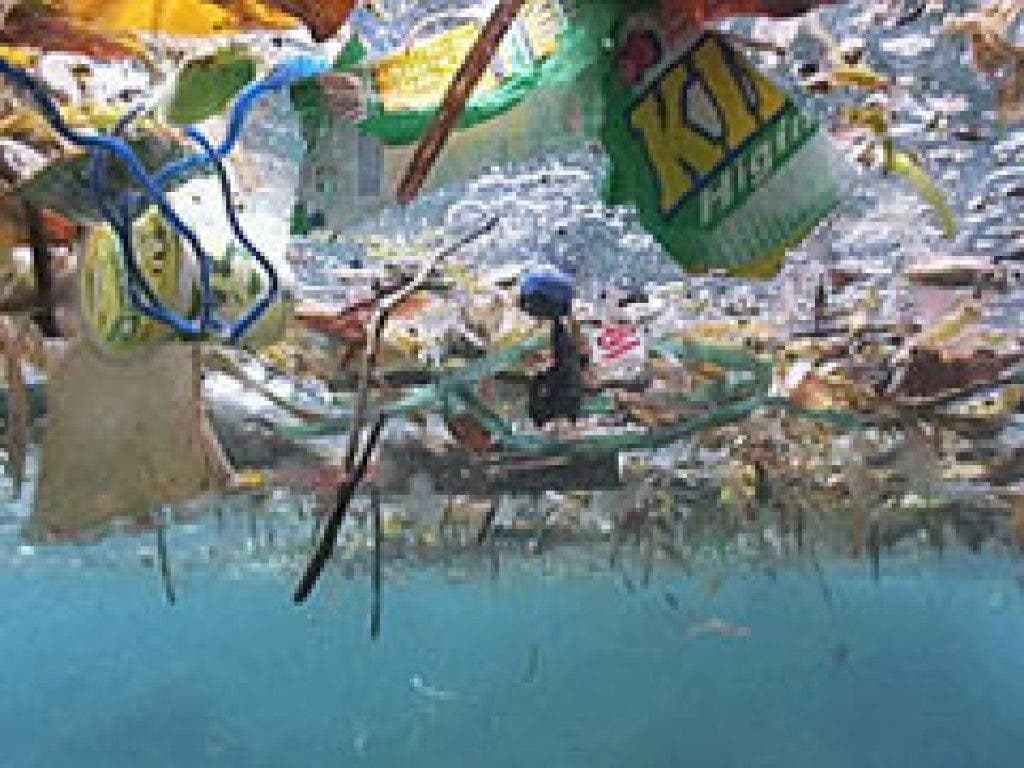
When I told my father that I planned to begin blogging on The Cockeysville Patch, he asked if I was going to write about litter again. I huffed in protest as he accused me of being a one-trick pony.
His concern that my topic of choice was no longer original may be validated; my most used college essay, a.k.a. “My neighborhood is trashy”, was essentially a mournful collection of observations of local litter. But litter, at least in my opinion, is too easily dismissed in the modern lifestyle. Scattered fast food cartons and cigarette butts too often mingle with overgrown grasses, becoming part of the landscape itself.
And it is tempting to let the trash remain that way, buried in the vegetation. After all, what does litter do, aside from detract from the natural beauty of the neighborhood?
Find out what's happening in Hunt Valley-Cockeysvillefor free with the latest updates from Patch.
I was always taught that litter harmed wildlife, but my elementary-school education on the subject dealt at a fairly small scale. The plastic rings that held six-packs of soda together could find their way down a backyard stream, and ducks could die getting their heads stuck in them. To me, this image is sad enough as it is. But it turns out that that bit of plastic impacts far more than nearby water fowl.
Relatively recently I learned just how global the litter problem is. Some remember hearing Oprah speak about the Great Pacific Ocean Garbage Patch several years ago; for those who don’t, it is a shocking and dismaying truth to learn. Where cool and warm water meet in the North Pacific Subtropical Convergence Zone, what has been termed an “island of trash” collects from all over the world. Here, currents spiral as they meet, forming what is called an oceanic gyre. With these spiraling currents comes hundreds of miles of accumulated trash in a nebulous agglomeration of smaller islands. While abandoned fishing nets, lost cargo from around 10,000 spilled shipping containers per year, and debris from oil rigs can be found in the floating heaps, 80% of the waste comes from land. A similar patch has also been discovered in the Atlantic.
Find out what's happening in Hunt Valley-Cockeysvillefor free with the latest updates from Patch.
So this is pretty icky, but what does it mean? Why don’t they just clean it up? The problem with the trash island is that it is impossible to size, with much of the trash beneath the ocean surface. What’s more, the netting required to make a mass cleanup effective would likely kill marine life as it was dragged through the water. And the floating landfill already does enough of that. One of its main components is resin pellets, small components that are melted into plastic products, which resemble the fish eggs that birds such as the albatross eat. The birds scoop the pellets (along with similar objects such as cigarette butts) from the ocean surface and feed them to their chicks, believing them to be food. Countless chicks have starved to death on account of this deadly mistake. All the while the trash heap’s abandoned fishing nets trap and kill numerous other animals, especially sea turtles, daily.
Here’s the kicker: most of the trash island is plastic, which doesn’t biodegrade. Instead, it is eventually broken into tiny pieces by the sun, making the water thick and hazy. Fish and other organisms ingest it, and we ultimately ingest those organisms. Plastic makes its way up the food chain to our plates.
I know what you’re thinking: well, we’ve got another frustrated person ranting futilely about the environment. But the truth is that much can be done at home to solve this global problem. Reducing your use of plastic is the primary means; simple steps such as using reusable shopping bags and looking for biodegradable substitutes are vital. Some efforts, such as buying a reusable water bottle in lieu of multiple plastic bottles, are more cost effective as well as environmentally friendly. When these options are not available, recycling is key.
When I first learned about litter in school, the “don’t be a litter bug” campaigns made it seem like all litter stemmed from people who deliberately used their car window as a trash chute. What I have since realized is that litter is often unintentional; an overturned trash can or a gust of wind can thwart even the best attempts at garbage disposal. The solution, then, is to reduce the amount of trash we produce in the first place. Our reward: greater health for ourselves, our wildlife, and our world.
References: www.mnn.com