Community Corner
Squash, Pumpkins and Gourds, OH MY!
Jazz up your fall menus with fun seasonal dishes.
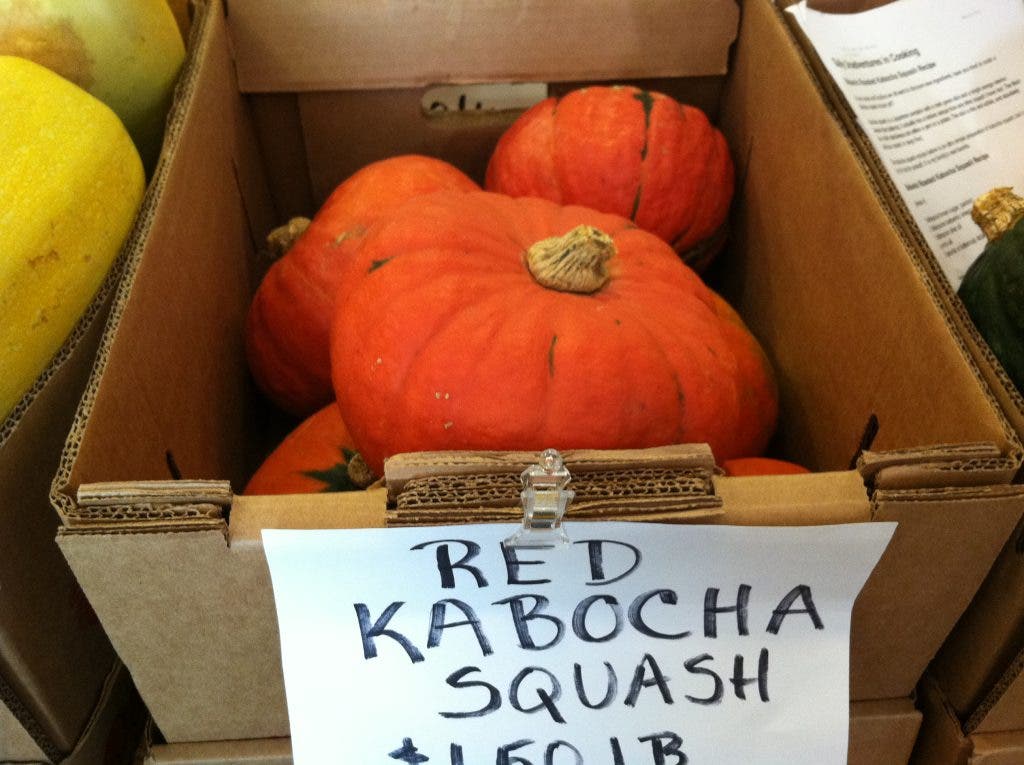
Every road side stand and grocery store has pumpkins, squash and gourds spread out like a harvest cornucopia that people grab by the armloads for decorating.
But all those cool looking hard skinned veggies are for eating as well. They are high in fiber, beta-carotines and other antioxidants, according to the Whole Foods website. Even the seeds are a healthy snack
Pumpkins, squashs, and gourds belong to the genus Cucurbita and share similar characteristics of a hard colored shell, creased from the bottom to the stem and contain meaty flesh with seeds. But the shapes and sizes sometimes remind me of aliens from outer space.
Find out what's happening in Hunt Valley-Cockeysvillefor free with the latest updates from Patch.
I don't know about you, but when I look at the bins of winter squash and pumpkins, I feel overwhelmed about fitting them into my meal plans. They are so bulky, hard to prepare and there are some I have never even seen before.
Sue Carbaugh, owner of The Hereford Central Market on York Road, took some of the mystery out of preparing the more uncommon squash.
Find out what's happening in Hunt Valley-Cockeysvillefor free with the latest updates from Patch.
"People were intimidated about trying the different kinds," Carbaugh said.
That is, until she started providing tasty printed recipes. Most people are familiar with how to prepare butternut and acorn squash but when confronted with some of the more bizarre varieties of winter squash they tend to shy away.
At the Hereford Market, all the squash are stacked in neat little bins stuffed with recipes. If you are unsure, as I was, of how to prepare some of the more unusual ones, just pick up one of the recipes to take home.
Sue has received rave reviews on a recipe using red kabocha squash, which looks like a squat pumpkin and is also known as a Japanese pumpkin. It is sweeter than a butternut and tastes like a blend of pumpkin and sweet potato, with a succulent reddish-yellow flesh. The skin is thin and edible, and delicious roasted or deep fried.
Here is Sue's recipe for roasted kabocha squash, which has become a favorite in my family.
1 T brown sugar, packed
2 T balsamic vinegar
1 T olive oil
a pinch of salt
1 Kabocha squash
Preheat oven to 350 F. Cut squash into quarters and remove seeds. Use a fork to break up the brown sugar and combine with the balsamic and salt. Rub the sugar into the squash to evenly coat. Cover with aluminum foil and bake for an hour.
You can substitute any of the other squash in this recipe for the same tasty results.