Politics & Government
Watershed Action Plan Requires Resident, Government Involvement
Project leaders discussed the restoration strategy for the Beaver Dam Run, Oregon Branch and Baisman Run small watersheds.


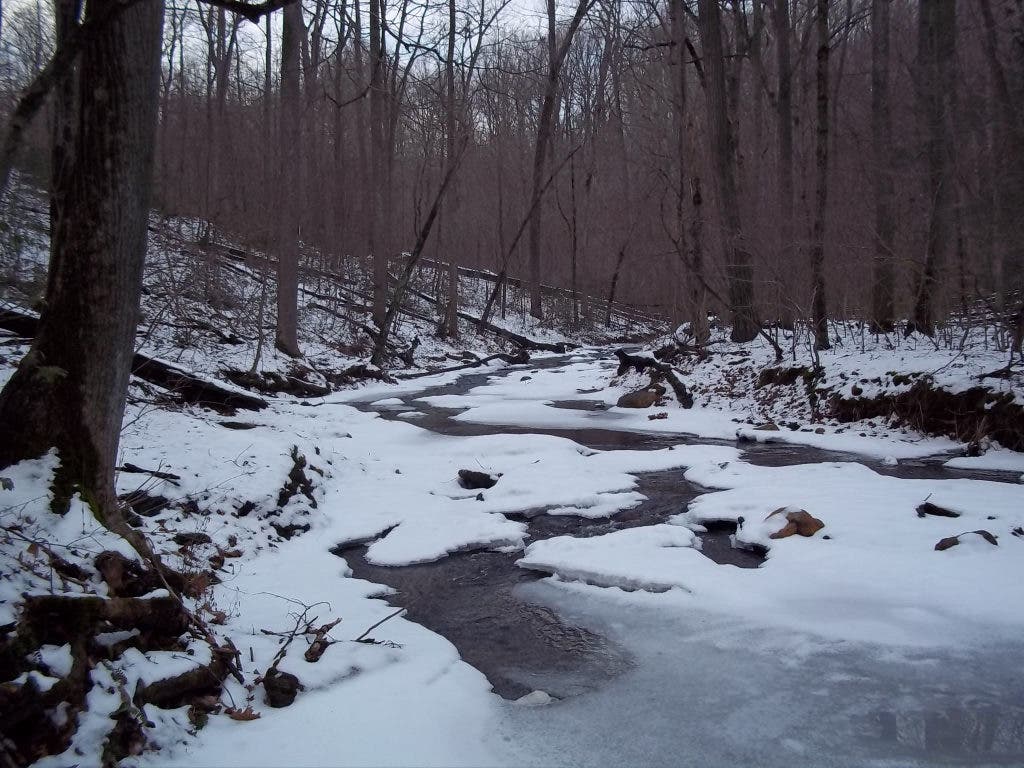
If Cockeysville-area watersheds are going to be restored, residents as well as the government are going to have to crack down on pollutants fouling the water.
The committee, a group composed of government officials and advocacy groups, discussed what needs to be done to reduce pollution in local waterways during a public meeting on Wednesday.
Julie Schneider, a representative from the Center for Watershed Protection, said the Beaver Dam Run, Oregon Branch and Baisman Run small watersheds are in fair to good conditions, but improvements can be made.
Find out what's happening in Hunt Valley-Cockeysvillefor free with the latest updates from Patch.
"About 6 percent of the drainage from these watersheds go into the Loch Raven Reservoir, and that in turn goes into the Chesapeake Bay, so it's important that we keep these streams in good condition," Schneider said.
Erin Wisnieski, a natural resource specialist for the Department of Environmental Protection and Sustainability, said the watersheds need a reduction in certain pollutants, such as phosphorus and nitrogen, to be in compliance with governmental water quality standards.
Find out what's happening in Hunt Valley-Cockeysvillefor free with the latest updates from Patch.
"To help achieve these goals, we need both community and government support," Wisnieski said.
She added that the pollutants are coming from water runoff at residences, commercial businesses and from fecal matter from pets, livestock and wild animals. In addition, high populations of deer and invasive plant species are also disrupting the watersheds' ecosystem by inhibiting the growth of native plants.
The watershed action plan also states that government will be responsible for capital projects that achieve goals such as managing altered stream sections and improving buffers that reduce runoff from entering the water.
Area residents are asked to minimize fertilizer use, clean up after their animals, landscape around their properties to minimize runoff and plant trees, among other tasks.
Wisnieski said "tree canopy is the most important factor in determining stream health."
Community presence at the meeting, held at the , was light. Wisnieski said the reason for this could be that these watersheds are not used for recreational activities, such as fishing and swimming, so it may not be considered as big of an issue to residents.
Schneider said the county will publish the full watershed action plan on its website by the end of November.
Get more local news delivered straight to your inbox. Sign up for free Patch newsletters and alerts.