Politics & Government
Army to Remove Soil from Pesticide Shop Site
Cleanup of the half-acre site at Fort Meade will require the excavation of 700 tons of dirt. Officials will also treat the groundwater.


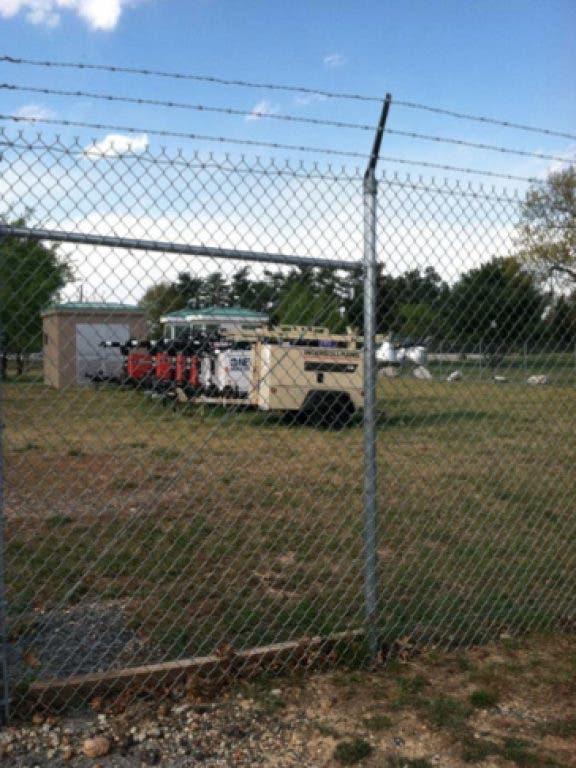
The Army will excavate more than 700 tons of dirt from the site of a former pesticide shop at Fort Meade, after it found contamination in the soil and groundwater in the area.
Tim Llewellyn, a geologist with Arcadis, an environmental services firm working with the Army, said the pollution does not pose any direct risk to anyone on base, but that it could threaten the health of any workers who might construct buildings at the location.
“We do have environmental impact there,” Llewellyn told members of the Fort Meade Restoration Advisory Board. “But it’s in a relatively small area.”
Find out what's happening in Odenton-Severnfor free with the latest updates from Patch.
Work could begin as soon as the spring.
The former pesticide shop is located roughly in the middle of the installation. The Army initially used the building as a mess hall for prisoners of war during World War II. Then from 1958 to 1978, it was used as a maintenance facility for landscaping equipment and housed pesticides.
Find out what's happening in Odenton-Severnfor free with the latest updates from Patch.
The building was torn down in 1996, and the half-acre site is now a vacant, fenced-in property. But from 1997 to 2010, the Army conducted field tests to determine the level of pollution in the soil and groundwater. The tests revealed elevated levels of arsenic, pesticides, and volatile organic compounds.
The Army put together a feasibility study earlier this year to prevent human exposure to pollutants and to clean up the groundwater. The study resulted in three potential courses of action: excavate the soil and actively clean the groundwater; keep the soil intact and monitor the groundwater; and doing nothing. The Army, Environmental Protection Agency and Maryland Department of Environment recommended excavating the site.
Digging out the soil would mean the removal of more than 700 tons of dirt and transporting it to an EPA-approved landfill. The plan would also mean injecting groundwater with emulsified vegetable oil, which speeds up natural biodegradation. The Army would also continue monitoring the water for about 10 years.
Get more local news delivered straight to your inbox. Sign up for free Patch newsletters and alerts.