What is diabetes?
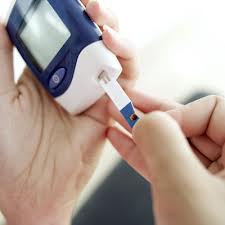
Diabetes affects nearly 21 million people in the United States. It is a group of diseases involving high levels of blood glucose due to defects in insulin production, insulin action, or both. Diabetes can cause heart disease and stroke, and is the leading cause of blindness, kidney failure, and lower limb amputation in adults.
How does diabetes affect hearing?
Find out what's happening in Odenton-Severnfor free with the latest updates from Patch.
Research shows that adults with diabetes are twice as likely as those without the disease to have changes in their hearing. High blood glucose levels can damage the small blood vessels of the body. Hearing depends on the small blood vessels and nerves in the inner ear. Damage to the blood vessels and nerves in the ear can diminish the ability to hear.
What are the signs of hearing changes?
Find out what's happening in Odenton-Severnfor free with the latest updates from Patch.
Many people with hearing loss first notice difficulty following conversations in groups or in noisy environments. They may report more difficulty hearing the voices of women and children, or report that other people sound like they are mumbling. People with hearing loss may frequently ask conversation partners to repeat themselves. Family members may notice that the television or radio are turned up to an uncomfortably loud volume.
What are the impacts of untreated hearing loss?
Untreated hearing loss can lead to irritability, fatigue and depression. It can lead to social isolation. Older adults with hearing loss are at greater risk for dementia. Not hearing important information in the workplace can lead to reduced job performance and earning power. Hearing loss is a risk to personal safety, because the individual with hearing loss may not hear alerting signals from smoke detectors, door bells, or telephones.
Take these steps today to help ensure your hearing health:
- Schedule a baseline hearing test! Many adults report that they have not had their hearing screened since grade school. A baseline test, even if you do not suspect changes in your hearing, is important as a point of comparison with future tests.
- Talk to your primary physician about regular hearing evaluation as part of your overall diabetes management plan.
- Schedule a hearing evaluation each time you schedule your regular vision screening.
Dr. Amanda Connelly is an audiologist at Hearing Solutions Audiology Center, located at 1413 Annapolis Road Suite 104 in Odenton. For more information, call (410) 672-1233 or visit www.hearsolutions.com.