Politics & Government
Safeguards Failed To Prevent Baltimore County Sewage Overflow
Safeguards to protect pumping stations from sewage overflow failed to prevent 12 stations from dumping into the Patapsco River, a public works official says.

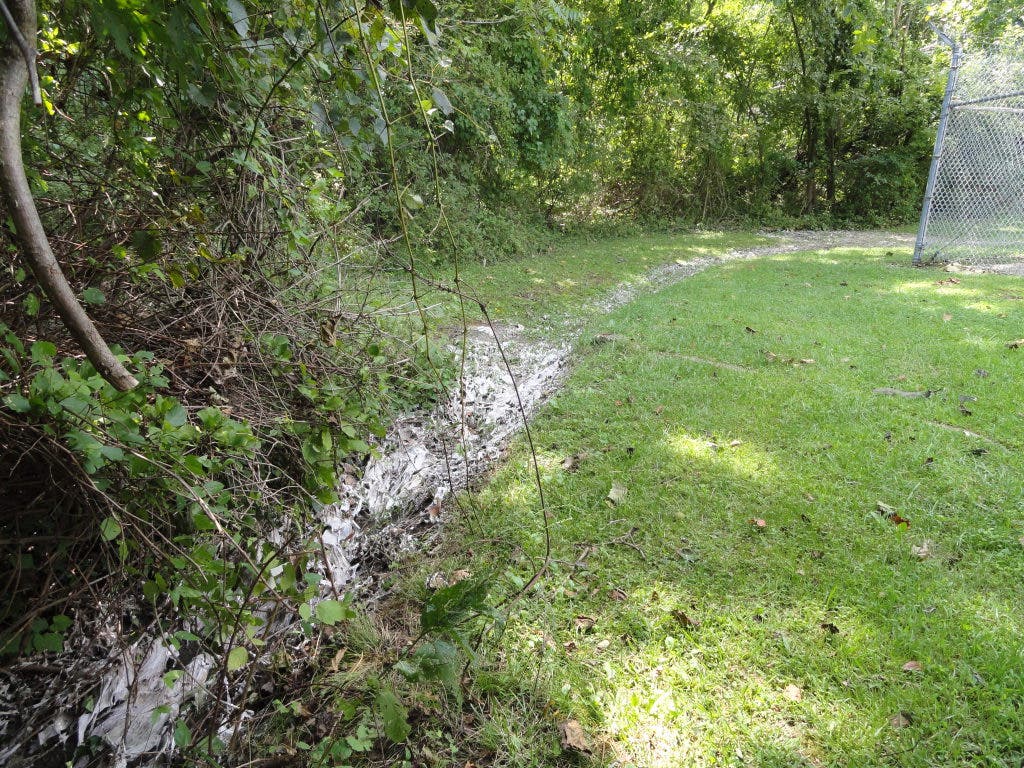
Baltimore County’s 12 sewage pumping stations that overflowed this week had safeguards in place, but debris from Hurricane Irene prevented them from working, officials said.
“Redundancy wasn’t enough,” said Baltimore County Public Works spokesman Dave Fidler.
The overflow from a ruptured 54-inch pipe near the Patapsco Sewage Pumping Station in Baltimore Highlands, which started on Sunday, Aug. 28, is causing 16.5 million gallons a day to flow into the Patapsco River. Two pumping stations in Owings Mills also overflowed.
Each of the 12 pumping stations that overflowed was either connected to two sources of electricity, had a generator on site or had a generator on call for the site.
“The hurricane cut off the electricity, and in a number of cases, to both electrical feeds,” Fidler said. “In some cases, when a generator was transported to the site, they couldn’t get inside the pumping station because a tree was down.”
Fidler said the county has invested close to $300 million on sewage infrastructure, inspecting, cleaning, relining pipes and rehabilitating or rebuilding pumping stations in the past five years. These projects have included equipping stations with sensors and remote communication systems that let the county know when there are power failures.
The four-pump Patapsco Pumping Station was recently improved at a cost of $16 million, according to Fidler. Five miles of the sewer line along the Patapsco River was also relined recently in a $23 million project.
Get more local news delivered straight to your inbox. Sign up for free Patch newsletters and alerts.