Politics & Government
County To Force 12 Homeowners To Connect to Public Sewer
The health project could double the property taxes of some Perry Hall residents.



If it ain't broke, don't fix it—unless it's a Baltimore County-sponsored sanitary sewer extension project.
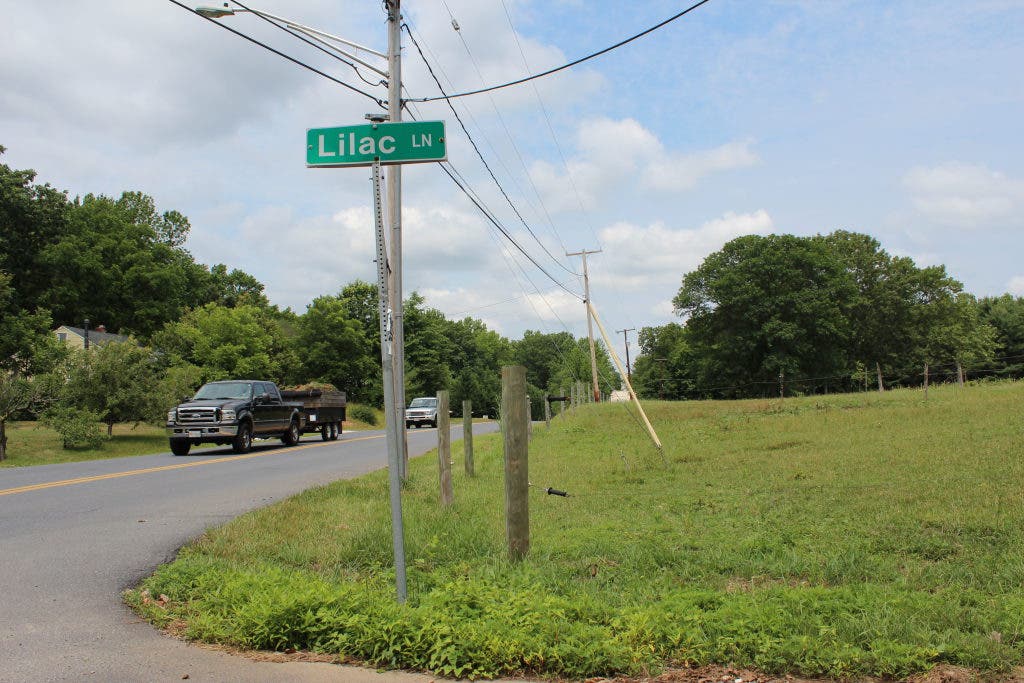
Baltimore County officials held a public hearing Monday to discuss why a dozen homes along Lilac and Dunrovin lanes in Perry Hall would be forced to abandon septic systems to connect with the public sewer system. The new connection could, in some cases, double the homeowners' property taxes.
Affected residents were issued several pages of cost estimates and public notices as they entered the Perry Hall Library meeting room.
Debbie Delahanty of the county public works department repeatedly emphasized that the sewer extension was an urgent health project. "We pretty much have to go forward," Delahanty said.
County inspectors have found that two septic systems along Lilac and Dunrovin lanes fail on a regular basis, pushing contaminated water to the surface. Five additional systems may also be damaged, said Kevin Koepenick, an environmental protection and sustainability expert with the department of public works.
Find out what's happening in Perry Hallfor free with the latest updates from Patch.
Based on these reports, county officials have proposed that all 12 properties in the rural area be forced to connect to the public sewer. Total construction costs for the project are estimated at $1.1 million, according to county documents.
Because septic problems are a health concern, the county is responsible for covering about half of those costs. Delahanty said she expects the County Council to vote in favor of funding the project in August. Construction could begin as early as November.
Find out what's happening in Perry Hallfor free with the latest updates from Patch.
The remaining construction costs would be divided among homeowners and adjusted for each property's total square footage. Payments, ranging from about $1,000 to $3,000 annually, would extend over a 40-year period at about 5 percent interest and be added to homeowners' property taxes, according to county documents.
John Slone, who lives on Dunrovin Lane, had a new septic system installed on his property 15 years ago. Slone said he has never had problems with back-up and pays about $150 per year to have his system pumped. The estimated cost of connecting to the public sewer could amount to more than $2,000 per year, Slone said.
"A lot of homeowners have perfectly working septic systems. Why should we have to pay the added cost for someone else's failing system?" he said.
Koepenick responded that connecting to the public sewer will eliminate future, unanticipated problems and increase resale value.
Eric Koch and his father, 78-year-old Henry Koch, live in a Lilac Lane farmhouse built in the 1800s. Their eight-acre property also has not had any reported septic problems.
"This will double our annual taxes," Eric Koch said. "A couple of grand a year is a lot for someone on a fixed income."
Koch admitted that access to the public sewer would increase the property's resale value and make it easier to subdivide.
"But what if we don't want to sell? ... I may have to sell part of it just to afford [the property taxes]," Koch said.
Diane Peters, who also lives on Lilac Lane, said she understood the cost concerns of neighbors, but was alarmed when she realized the severity of local septic problems.
"Our backyard often has the smell of Back River," Peters said, adding that she supports the county project. "Money's important, but our health is important too."
Those with concerns about the planned project are encouraged to contact the department of public works at 410-887-3300, or County Councilman David Marks' office at 410-887-3384.
Get more local news delivered straight to your inbox. Sign up for free Patch newsletters and alerts.