Business & Tech
MOMS & DADS TALK: Does Food Dye Cause Hyperactivity in Children?
Share your thoughts and comment on the story.
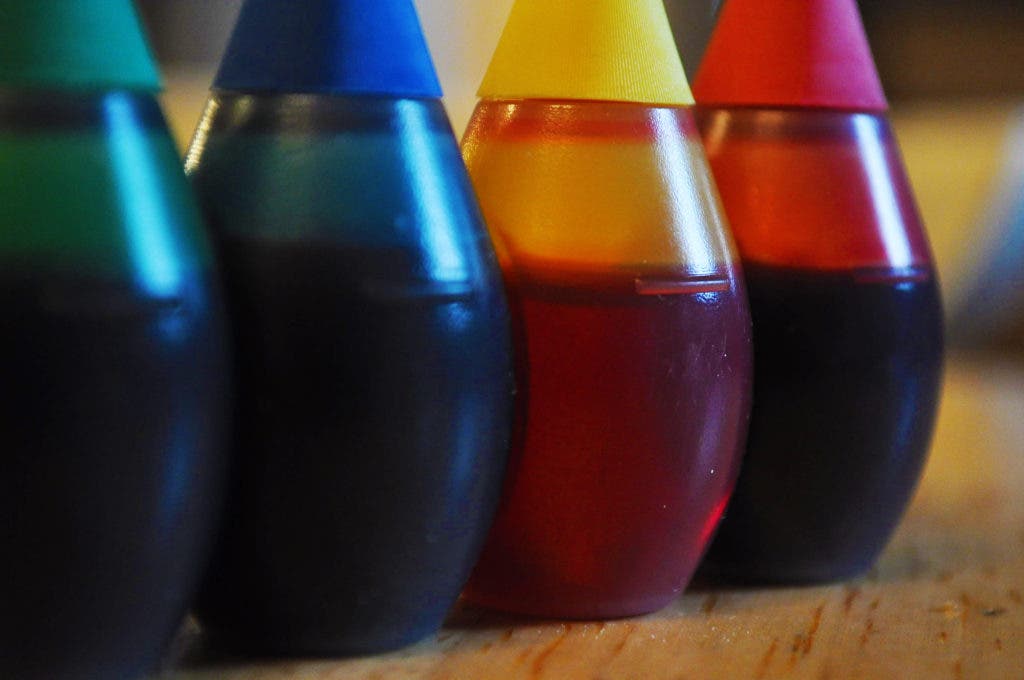
It’s been all over the local and national news this week: Does food dye cause hyperactivity in children? For years, I've heard people say that food dye is bad for you, but I thought it was just red dye.
The U.S. Food and Drug Administration is now calling into question several artificial colors: Blue 1 and 2, Green 3, Orange B, Yellow 5 and 6 and Red 40 and 3. You'd be surprised how many foods contain these dyes.
Here are just a few things I found in my kitchen: Kraft Macaroni & Cheese, Twizzlers, M&Ms, Skittles, Gogurt, Fruit Rollups, pickles and popsicles. OK, so I’m not the epitome of health with some of these selections, but don’t judge. Basically, if it’s colorful, it’s probably artificial.
Find out what's happening in Perry Hallfor free with the latest updates from Patch.
A few years ago, I wouldn’t have batted an eye at this study. I liked my M&Ms red and my Peeps blue. But hearing that it could trigger hyperactivity in my kids definitely has me raising an eyebrow.
Personally, I don’t think I've noticed a behavioral change in my children as a result of these dyes. But then again, I’ve never removed the dye from their diet to see any difference. After seeing the news reports, it's clear that some parents are claiming extreme results, within weeks of altering their child’s diet.
Find out what's happening in Perry Hallfor free with the latest updates from Patch.
Genetics may play a role as well. But with so many children being diagnosed with ADHD, you can’t help but think: What if something so insignificant as removing dyes from food could reduce its incidence? In that context, I absolutely think it deserves a closer look.
According to Brian Williams’ report on the NBC Nightly News on Tuesday, the FDA originally maintained its position that there was no link between artificial coloring and hyperactivity. But it is now undergoing an investigation.
The FDA released a statement, displayed in Williams' report, about their change in position, stating “the data suggests that [a child’s] condition may be exacerbated by exposure to a number of substances in food, including, but not limited to artificial colors.”
The FDA panel will also determine whether the colors should be banned or if products will require a warning label.
Do you feel there is a link between ADHD and food dye? Do you have a personal story? Should there be a ban on these substances or should the FDA just require a warning label?