Politics & Government
New State Law An Effort To Fight Prescription Price Gouging
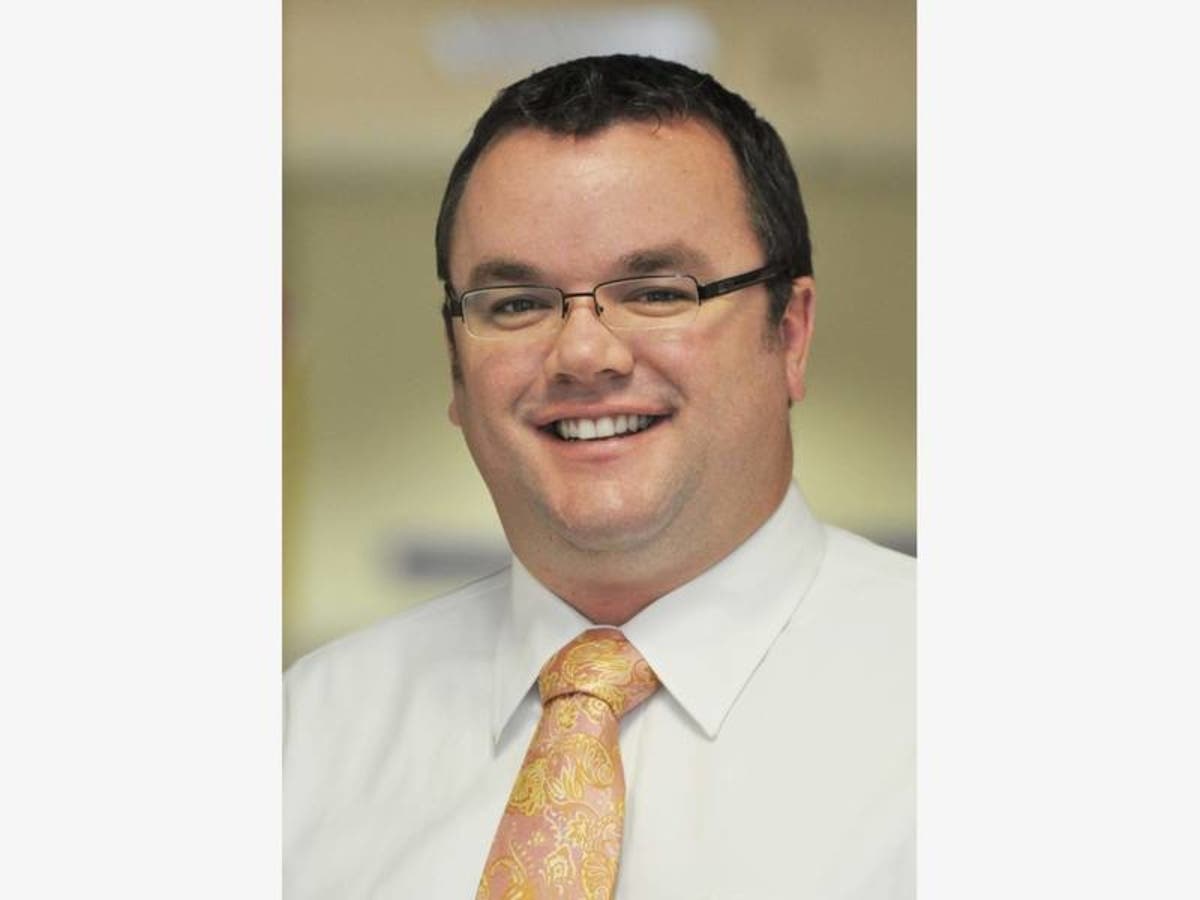
Delegate Eric Bromwell chaired the committee dealing with price gouging.


A law approved by the 2017 General Assembly to curb prescription drug gouging became effective on October 1, 2017. Stepping ahead of a Congress that won't act on the matter, Maryland enacted a law that enables the state to sue drug companies over unreasonable price hikes - 50% or more in a single year. If the company cannot justify the price hike, the State Attorney General can file suit and have it reversed. Manufacturers also face a fine of $10,000 for price gouging. It is the first law of its kind in the nation.
Although Maryland's law is the strongest drug transparency law in the country, it applies only to generic drugs. A generic drug is any prescription for which all exclusive marketing rights have expired. According to the FDA, generic drugs are typically 80% to 85% less expensive than their brand drug equivalent. While generics make up 90% of the prescriptions in the U.S., they constitute only 27% of total drug spending.
It should be pointed out that because of its sole focus on generic drugs, the Maryland law cannot do anything about branded drugs, such as EpiPen or Evzio, an overdose-reversing drug, whose prices have skyrocketed. Since 2007, EpiPen, a life-saving treatment for millions whose allergies can send them into severe shock, has increased in price 548% to $608.61 for a pack of two doses.
Find out what's happening in Perry Hallfor free with the latest updates from Patch.
Other states have taken action to confront drug companies' fleecing of Americans. California passed legislation requiring drug manufacturers to disclose and justify price hikes of more than 16% over two years. Similar legislation is pending approval in Massachusetts, Nevada, Tennessee and Rhode Island.
In 2016, Vermont enacted the first state drug transparency legislation, empowering the state's Attorney General to ask drug manufacturers to justify price increases and to bring legal action if the manufacturer does not comply. Non-compliance subjects the manufacturer to a $10,000 civil penalty.
Find out what's happening in Perry Hallfor free with the latest updates from Patch.
Americans pay the highest price for prescription drugs already. Sudden huge price spikes add insult to injury and put vital drugs out of reach of many people who need them. All other nations bargain with drug manufacturers to get the lowest price for their citizens. But the U.S. is legally prohibited from bargaining with drug manufacturers to get the lowest price by the Medicare Prescription Part D law. That makes no sense whatsoever. It makes U.S. citizens the helpless victims of drug companies.
The states' battle to stop prescription drug price gouging is a David and Goliath battle. The pharmaceutical industry has very deep pockets and has successfully fought off California's initiative to cap what the state pays for drugs. The effort to control runaway prescription drug prices is a federal battle because drugs still under patent are under federal jurisdiction. Unfortunately, up to this point, Congress has shown no desire to tackle this crucial problem that affects the health care of Americans.