Politics & Government
A Trip Around The Moon: Artemis Mission Makes History
After a slight delay, the Artemis II mission successfully launched from Cape Canaveral on Wednesday for a 10-day flyby mission of the moon.


BALTIMORE COUNTY, MD — The Artemis II team launched from Florida's Cape Canaveral on Wednesday evening, cementing a historic moment for the manned lunar mission.
After a slight delay, Artemis II astronauts Reid Wiseman, Victor Glover, Christina Koch, and Jeremy Hanson blasted off from the Kennedy Space Center at 6:35 p.m.
The team's launch window started at 6:24 p.m. and held for two hours in case of any technical issues.
Find out what's happening in Perry Hallfor free with the latest updates from Patch.
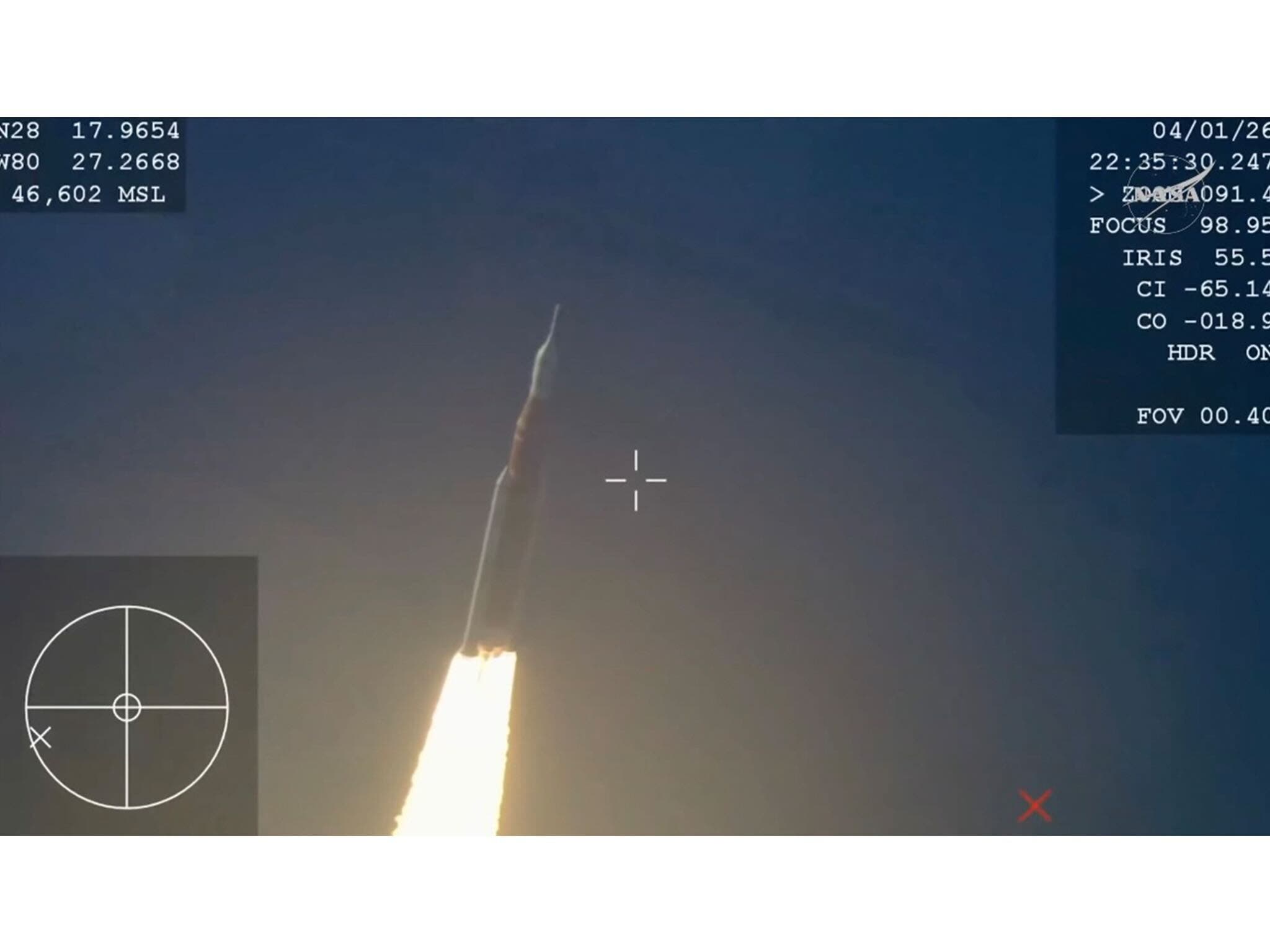
Wednesday's launch marked the first piloted mission since the end of the Apollo program, in the 1970s.
Leading NASA's manned mission is Wiseman, a Maryland native who grew up in Cockeysville.
Find out what's happening in Perry Hallfor free with the latest updates from Patch.
Wiseman graduated from Dulaney High School in 1993, later going on to get his bachelor's at the Rensselaer Polytechnic Institute in New York.
He also earned his master's degree in systems engineering at Johns Hopkins University in Baltimore while serving in the U.S. Navy.
Related: MD Native Leads NASA's Manned Moon Mission
Rewatch a recording of the launch below:
The four astronauts on board — Wiseman, Glover, Koch, and Hanson — won’t land on the moon.
During their fly-by on a 685,000-mile loop around the moon and back, they will test the Orion spacecraft’s life support, communication and navigation systems, as well as its ability to keep them safe, in preparation for future lunar landings.
Payloads aboard Artemis II will gather data on space radiation, human health and behavior, and space communications to inform future exploration.
.jpg)
Artemis II Looks Toward Mars
The old Apollo program sent 24 astronauts to the moon in nine missions between December 1968 and December 1972. Twelve astronauts have walked the lunar surface, including Neil Armstrong and Buzz Aldrin, the first to walk on the lunar surface in the Apollo 11 mission.
“That’s one small step for man, one giant leap for mankind,” Armstrong said at the time.
As NASA transitions from the quick lunar landings of the Apollo era to the Artemis program, the leap is for a long-term, sustainable presence on the moon in preparation for the much harder, longer journey to Mars.
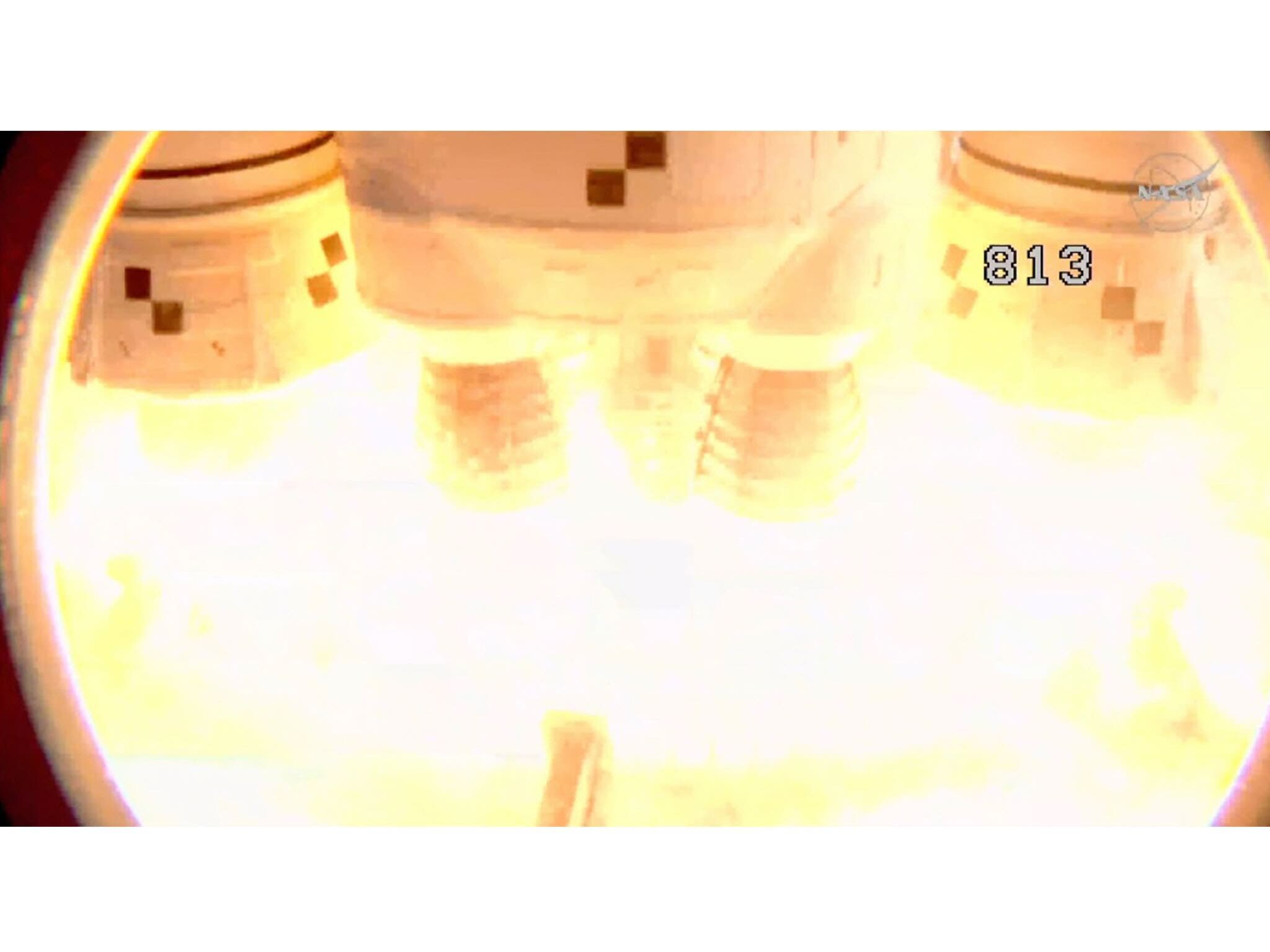
Orion’s service module will perform the translunar injection burn to escape Earth orbit and set a four-day course for the moon. The figure-eight trajectory will take the crew around the far side of the moon, extending over 230,000 miles from Earth, and approximately 4,600 miles beyond the moon at maximum distance.
Orion will undergo high-speed reentry through Earth’s atmosphere before safely splashing down in the Pacific Ocean off the coast of San Diego, where a NASA and Department of Defense recovery team will retrieve the crew and spacecraft.
Get more local news delivered straight to your inbox. Sign up for free Patch newsletters and alerts.