Neighbor News
Good Financial Habits = Long-Term Financial Well Being
CCCS of Maryland and Delaware Senior Credit Counselor Debbie Murphy discusses strategies for improving your financial skills.

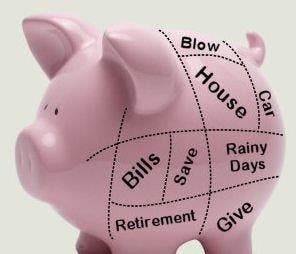
According to the National Foundation for Credit Counseling’s annual survey, more people than ever live paycheck-to-paycheck without a financial plan. Survey results indicate 61 percent of U.S. adults don’t have a budget. This is the highest percentage in six years. Senior credit counselor Debbie Murphy finds these figures troubling. Murphy, who works at Consumer Credit Counseling Service of Maryland and Delaware, says, “Without a budget, you really don’t know where you stand, so it’s harder to save and easier to overspend. This is a recipe for financial trouble. It also makes it impossible to prepare for major life changes or achieve true financial wellbeing.”
Murphy bases her conclusions on 19 years of financial counseling experience. During that time, she says, “Our industry has changed, but one thing has remained constant: Not having a budget is the biggest reason people come to us for help. In the past few years, I’ve seen an increase in older clients. They may have lost investment funds when the economy worsened, lost a job, or refinanced to access their equity. Now with less income and more debt, they are finding it difficult to make ends meet.”
How can this situation be prevented? Murphy says, “Although the world has gotten more complicated, it still comes down to the basics. No matter what life stage you’re in, don’t let your finances run you. You need to run your finances.”
Find out what's happening in Potomacfor free with the latest updates from Patch.
How can this be accomplished? Murphy recommends four steps:
1. Set up and stick to a budget.
Find out what's happening in Potomacfor free with the latest updates from Patch.
2. Pay yourself first.
3. Keep your priorities straight.
4. Regularly evaluate and follow through on your financial plan.
Murphy says budgeting is the first step to attaining financial wellbeing. Prior to setting up a budget, it helps to track your expenses for at least a month. “Once you understand how much you have coming in and how much you’ve been paying out, then you can see where your money is going and find ways to reduce your spending so there’s money left to put away.”
Murphy is convinced almost anyone can find the money to save. “People on a limited income generally know how to stretch a dollar. With that said, every one of us can find new ways to spend less. For example, we all have to eat, so how can we save on the food bill? It’s likely to be lower if we go to the grocery store armed with a shopping list or avoid eating out.”
Murphy says it’s also important to understand the difference between wants and needs. “We’ve all been conditioned to expect certain things. But if you’re having trouble paying your bills, do you really need that expensive cell phone plan or entertainment package? When choices arise, always ask yourself, ‘Is this a want or just a need?’ and let the answer be your guide.”
It’s crucial to set spending priorities even if you have your finances in check. Why? Murphy says, “Because you never know what the future will hold. If you spend a bundle on an expensive vacation and have no money set aside, you may be stuck using your credit card to pay for costly dental work next month. This is how the trouble starts.”
Murphy says having a financial plan makes it easier to manage life’s wants. “Living on a budget doesn’t mean you have to deprive yourself. It just means you avoid spending on things unless you know you can afford them. If you want that expensive vacation, you save toward it instead of buying on impulse.”
Murphy says consumers are more likely to improve their financial habits when they’re personally invested. “I see this a lot when I work with clients through our partnership with Habitat for Humanity of the Chesapeake. The thought of owning a home provides them with the motivation to get their household finances in order.”
Habitat for Humanity makes it possible for people with limited incomes to own their own homes. To qualify for this opportunity, enrollees must have an acceptable credit history and enough money saved to cover basic closing costs. CCCS helps them attain these objectives by providing advice on how to budget and better their credit standing.
Murphy says, “By gaining knowledge and making positive life changes based on that knowledge, Habitat clients not only become homeowners, they also gain skills they and their families can use for the rest of their lives.”
Murphy is proud of CCCS’s role in the Habitat process. “It’s always exciting when someone I’ve counseled at Habitat becomes a homeowner! And here at CCCS, we teach our clients the very same skills. Over the years, we’ve expanded our services, so they can grow even further. Now we not only help them set up budgets and deal with their debts; we also offer financial coaching for those who want to define and reach personal goals.” To learn more about CCCS’s services, visit the agency website. For a financial counseling or coaching appointment, call 1-800-642-2227.
In closing, Murphy emphasizes it’s possible for each of us to improve our money management habits and achieve financial wellbeing. “The big thing is to take advantage of all the resources that are out there now. If you have questions on how to develop a financial plan or sharpen your skills, we are here to help!”
####
Consumer Credit Counseling Service of MD & DE, Inc. (CCCS) is an accredited 501(c)(3) nonprofit agency that helps stabilize communities by creating hope and promoting economic self-sufficiency to individuals and families through financial education and counseling. CCCS MD State License #14-01