Weather
Montgomery County Winter Weather Advisory Calls for Up to 3 Inches of Snow
Roads may be snowy and ice-covered in Montgomery County through Saturday afternoon, weather forecasters warn.


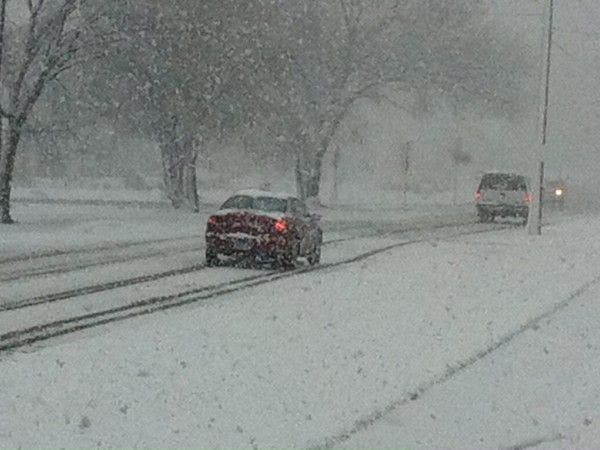
BETHESDA, MD — Gas up the car, dig out your ice scraper and review your winter driving habits if you have to be out, but Saturday sounds like a day best spent at home with a book, Netflix or in front of a warm fire. The National Weather Service is calling for 1 to 3 inches of snow and has issued a winter weather advisory from 3 a.m. to 3 p.m. Saturday for Montgomery County.
Snowfall and gusty winds Friday night into Saturday afternoon will reduce visibility and likely make travel difficult. Forecasters say snow is expected to start in the early evening and continue overnight. Up to 3 inches of snow are possible in central and southeast parts of the county.
Temperatures will be in the low 20s on Friday night, and stay below freezing on Saturday, according to the National Weather Service. Skies will clear Saturday night, allowing temperatures to fall into the upper teens.
Find out what's happening in Rockvillefor free with the latest updates from Patch.
State highway crews began treating roads with brine on Wednesday in anticipation of the winter weather.
SEE ALSO:
Find out what's happening in Rockvillefor free with the latest updates from Patch.
- Extreme Cold: Warming Centers Open Across Anne Arundel County
- Warming Up Your Car: Experts Disagree
- How to Prevent Your Pipes From Freezing As Temps Drop
Find the latest road conditions on the SHA’s website and by clicking “CHART.” Drivers can also get free traffic and weather information by calling 5-1-1 from a landline or a hands-free mobile device or logging onto www.MD511.org. Maryland’s 511 service now offers free text and email alerts for most travelled routes through 511Direct – simply register and set your routes and preferences online.
Weekend Forecast
Here's a look at those cold temperatures headed to Maryland this week (with the coldest day predicted to be Sunday), after a warmup predicted for Wednesday with highs in the 50s:
- Friday: Partly sunny, with a high near 34.
- Friday night: Partly cloudy, with a low around 23.
- Saturday: Partly sunny, with a high near 29.
- Saturday night: Mostly clear, with a low around 18.
- Sunday: Sunny, with a high near 27.
- Sunday night: Mostly clear, with a low around 17.
Winter Driving Reminders from AAA
Drivers should never to run a vehicle in a garage, to avoid carbon monoxide poisoning. Always keep a vehicle’s gas tank at least half full to avoid gas-line freeze, and to keep from running out of gas if you become stuck on the side of the road or waiting in traffic jams.
If you must be on the road, follow these safety tips:
- Remove all snow from vehicle, including roof, hood, and trunk. While driving, snow can blow off a car onto the windshield of a nearby vehicle, temporary blinding that driver’s vision.
- Slow down. Adjust your speed to the road conditions and leave plenty of room to stop. Allow at least three times more space than usual between you and the car in front of you. Accelerate, turn and brake gradually.
- Do not tailgate. Normal following distances of three to four seconds on dry pavement should be a minimum of five to six seconds when driving on slippery surfaces. The extra time will provide additional braking room should a sudden stop become necessary.
- Watch the traffic ahead. Slow down immediately at the sight of brake lights, skidding vehicles or emergency flashers.
- Bridges and overpasses freeze first and melt last. Use extra caution as the roadway leading to the bridge may appear fine, but the bridge itself could be a sheet of ice.
- Never use cruise control on slippery roads, as you lose the ability to transfer more weight to the front tire by simply lifting off the accelerator.
- Avoid unnecessary lane changes. This increases the chances of hitting a patch of ice between lanes that could cause loss of vehicle traction.
- Don’t power up hills. Applying extra gas on snow-covered roads may only result in spinning your wheels. Try to get a little inertia going before you reach the hill and let that inertia carry you to the top. As you reach the crest of the hill, reduce your speed and proceed downhill as slowly as possible.
- Don’t stop going up a hill. It’s difficult to move up a hill on an icy road. If possible, get your vehicle moving on a flat roadway first before taking on a hill.
- Minimize the need to brake on ice. As you approach a stop sign, traffic light or other area where ice often forms, brake early on clear pavement to slow down. Vehicle control is much more difficult when braking on ice-covered roadways.
- Control the skid. Slamming on the brakes can make the skid even worse. If your car skids, take your foot off of the brake or accelerator, continue to look and steer where you want to go. Then begin to accelerate slowly.
- Do not brake and turn at the same time. Asking your vehicle to do two things at a time makes it more likely that your tires will lose traction. Brake first, then turn, then accelerate.
- Know your brakes. If you have anti-lock brakes and need to slow down quickly, press hard on the pedal. It’s normal for the pedal to vibrate a bit when the ABS is activated.
What to do if your vehicle is stuck in the snow:
- Stay with your vehicle. It provides temporary shelter and makes it easier for rescuers to locate you.
- Don’t try to walk in a severe storm. It’s easy to lose sight of your vehicle and get lost in blowing snow.
- Don’t overexert yourself trying to dig or push your vehicle out of the snow. Keep sand, kitty litter or traction mats in your vehicle to help the vehicle’s tires gain traction on ice and snow. Even a vehicle’s floor mats can help in a jam.
- Tie a brightly-colored cloth to the antenna or place a cloth at the top of a rolled up window to signal distress. At night, keep the dome light on if possible. It only uses a small amount of electricity and will make it easier for rescuers to find you.
- Make sure the exhaust pipe isn’t clogged with snow, ice or mud. A blocked exhaust could cause deadly carbon monoxide gas to leak into the vehicle when the engine is running.
- Use whatever is available to insulate your body from the cold. This could include floor mats, newspapers or paper maps.
- If possible, run the engine and heater just long enough to remove the chill and to conserve gasoline.
Finally, always have an emergency car kit in your vehicle that includes: a bag of abrasive material (sand, salt, cat litter) or traction mats, snow shovel, flashlight with extra batteries, window washer solvent, ice scraper with brush, jumper cables, extra warm clothing (gloves, hats, scarves), blankets, warning devices (flares or triangles), drinking water, non-perishable snacks for both human and pet passengers, first-aid kit, basic toolkit (screwdrivers, pliers, adjustable wrench), a mobile phone pre-programmed with rescue apps and important phone numbers including family and emergency services and charger.
»Photo by Patch Editor Deb Belt
Get more local news delivered straight to your inbox. Sign up for free Patch newsletters and alerts.