Health & Fitness
Don't Let Poison Ivy, Oak or Sumac Ruin Your Summer Fun!
Play It Safe: Poison Ivy, Poison Oak and Poison Sumac. Pesky plants that we need to be cautious about so that they don't dampen the enthusiasm of the season.
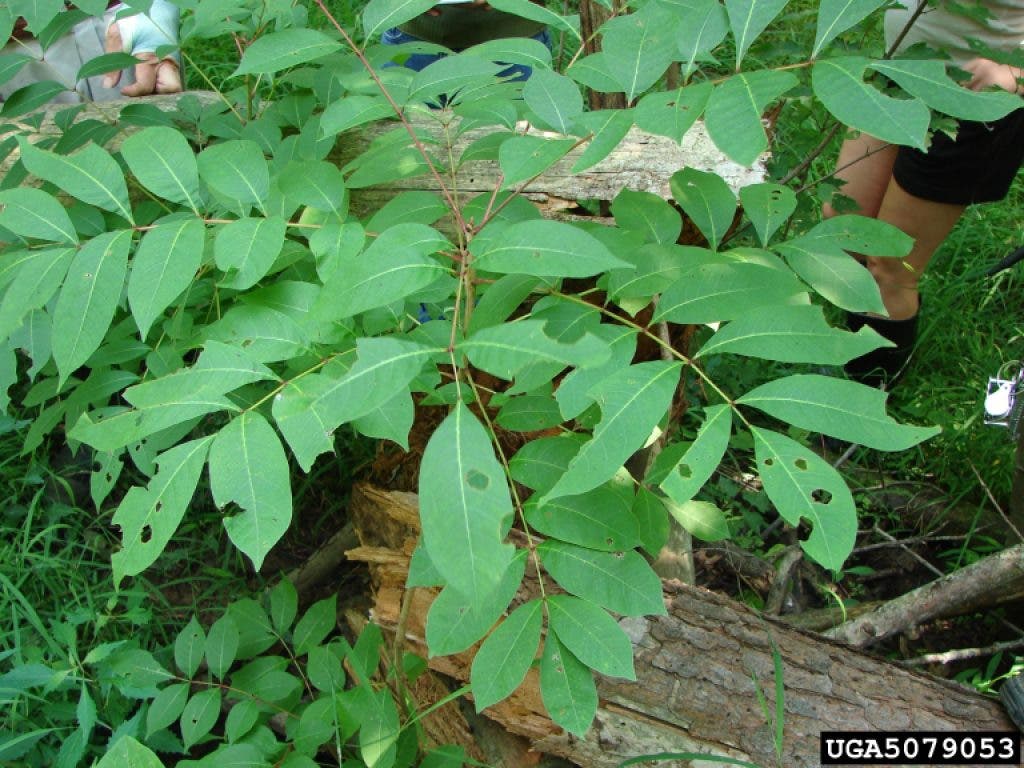


Summer is finally here! It's that wonderful time of the year that the kids look forward to spending time outside, swimming, climbing trees, catching lightening bugs, riding bikes and playing tag . Unfortunately, there are some pesky plants that we need to be cautious about so that they don't dampen the enthusiasm of the season.
Poison Ivy, Poison Oak and Poison Sumac
All of these belong to a family of plants that produce an oil called urushiol. Experts estimate that up to 70 percent of the population is allergic to urishiol.
Find out what's happening in Severna Parkfor free with the latest updates from Patch.
When exposed, urushiol attaches to the skin within 5 minutes to 2 hours after exposure. This triggers the body’s immune system to attack the skin containing urushiol, which leads to redness, swelling, warmth, blistering, tenderness, and itching of skin.
What do you do if your child has been exposed to poison oak, ivy or sumac?
Find out what's happening in Severna Parkfor free with the latest updates from Patch.
Cleanse: Immediately clean the area with plain soap and water, paying special attention to the palms of your child’s hands. Since this outer layer is thicker, urushiol does not penetrate the area and can be carried on the palms for hours.
Decontaminate: Remove and wash all clothing, shoes, shoelaces that may have come in contact with the oil.
Relief: If signs and symptoms of a rash occur, you can use over-the-counter remedies, such as calamine lotion, 1 percent hydrocortisone cream, oatmeal baths and oral Benadryl.
Don’t Scratch: Scratching may cause infection because it allows bacteria from dirt on the hands to enter the skin, and excessive scratching can also cause scarring.
See Your Provider: Be sure to come in for an appointment if symptoms worsen or the rash spreads to the face, eyes, or genitals.
Fun Facts About Poison Ivy
- Myth: Poison ivy rash is contagious.
- Fact: Since poison ivy rash is an allergic reaction to urushiol, the only way to contact poison ivy is thru direct contact with the plant, such as, indirect contact by touching something that has urushiol on it (like family pet or garden tool), or through airborne exposure to burning plants.
- Myth: Scratching poison ivy blisters will spread the rash.
- Fact: The fluid in the blisters will not spread the rash. After the first 5 minutes to 2 hours following exposure neither scratching or skin-to-skin contact can spread the reaction.
- Myth: Dead poison ivy plants are no longer toxic
- Fact: Urushiol stays active on any surface, including dead plants, for up to 5 years in wet climates and up to nine years in dry climates.
A little bit of prevention will hopefully ensure a safe and fun-filled summer for you and your family.
Happy Summer!