Community Corner
The "Dead Zone" is Deadly for Aquatic Life
Each summer a toxic dead zone exists in the Chesapeake Bay that is fueled by nutrient laden runoff from developed areas in the watershed.


For those of us living in the Severna Park area we can count on a number of things to remind us that it is mid-summer: fresh local produce, sno-cones, and hot sunny days. Unfortunately, there is something else now associated with the summer and that is the “dead zone” in the Chesapeake Bay.
How bad is the dead zone in the Bay this year? In the July 24 Washington Post article “Alarming Dead Zone Grows in the Chesapeake” Darryl Fears reported that “this year’s Chesapeake Bay dead zone covers a third of the bay, stretching from the Baltimore Harbor to the bay’s mid-channel region in the Potomac River, about 83 miles, when it was last measured in late June.
It has since expanded beyond the Potomac into Virginia,” according to officials in Maryland and Virginia.
Find out what's happening in Severna Parkfor free with the latest updates from Patch.
The dead zone in the bay is caused by excessive nutrient runoff from the land which feeds algae blooms. The runoff that occurred this past spring was especially heavy due the rainfall not only in our area, but in most of the Chesapeake Bay watershed as well.
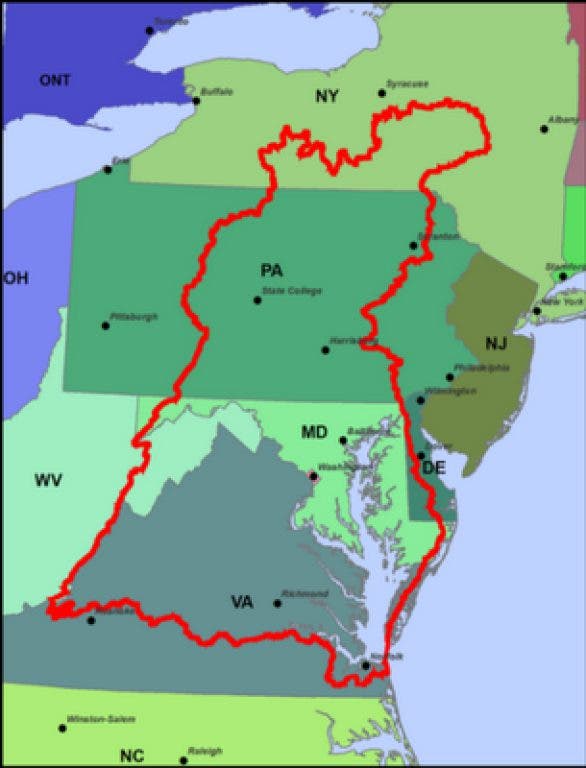
It's important to remember the Bay’s watershed encompasses a large area of land which includes parts of six states which compounds the effects of nutrient overload in the bay.
Find out what's happening in Severna Parkfor free with the latest updates from Patch.
As the algae consume the extra nitrogen and phosphorus in the water, they die and sink to the bottom where they are consumed by bacteria. The negative effects of the life cycle of the algae bloom are twofold: initially the amount of sunlight available to the existing aquatic vegetation is reduced and then the water is robbed of life sustaining oxygen as the algae die and are decomposed by the bacteria.
This depletion of oxygen is harmful to aquatic life. Fish, such as rock, white perch, and yellow perch, need five milliliters of oxygen per liter of water to survive. Blue crabs need three milliliters of oxygen per liter of water to survive.
When oxygen levels in the bay are depleted fish and crabs can move to areas with higher levels of oxygen. However, bottom dwelling species like worms and clams, which are important sources of food for fish and crabs, cannot move and literally suffocate.
The depletion of oxygen levels is especially deadly for hard clams which need five milliliters of oxygen per liter of water to survive while bottom dwelling worms only need one milligram of oxygen per liter of water to survive.
As residents of the Severn and Magothy watersheds, we can do our part to help reduce nutrient laden run off that contributes to the dead zone. We can choose to rethink how we care for our lawns by not fertilizing in the spring and only applying fertilizer, if needed, in the fall.
Directing water from downspouts into rain barrels or rain gardens reduces the volume of storm water runoff that would otherwise flow into our waterways and fuel harmful algae blooms.
Finally, making sure that we pick up waste from our pets will reduce both nutrient runoff and harmful levels of bacteria that pollute the water.