Crime & Safety
Where To Drop Off Drugs In Towson On National Drug Take-Back Day
The National Prescription Drug Take-Back Day is Saturday, April 28; here is where to get rid of unwanted medications in Towson.


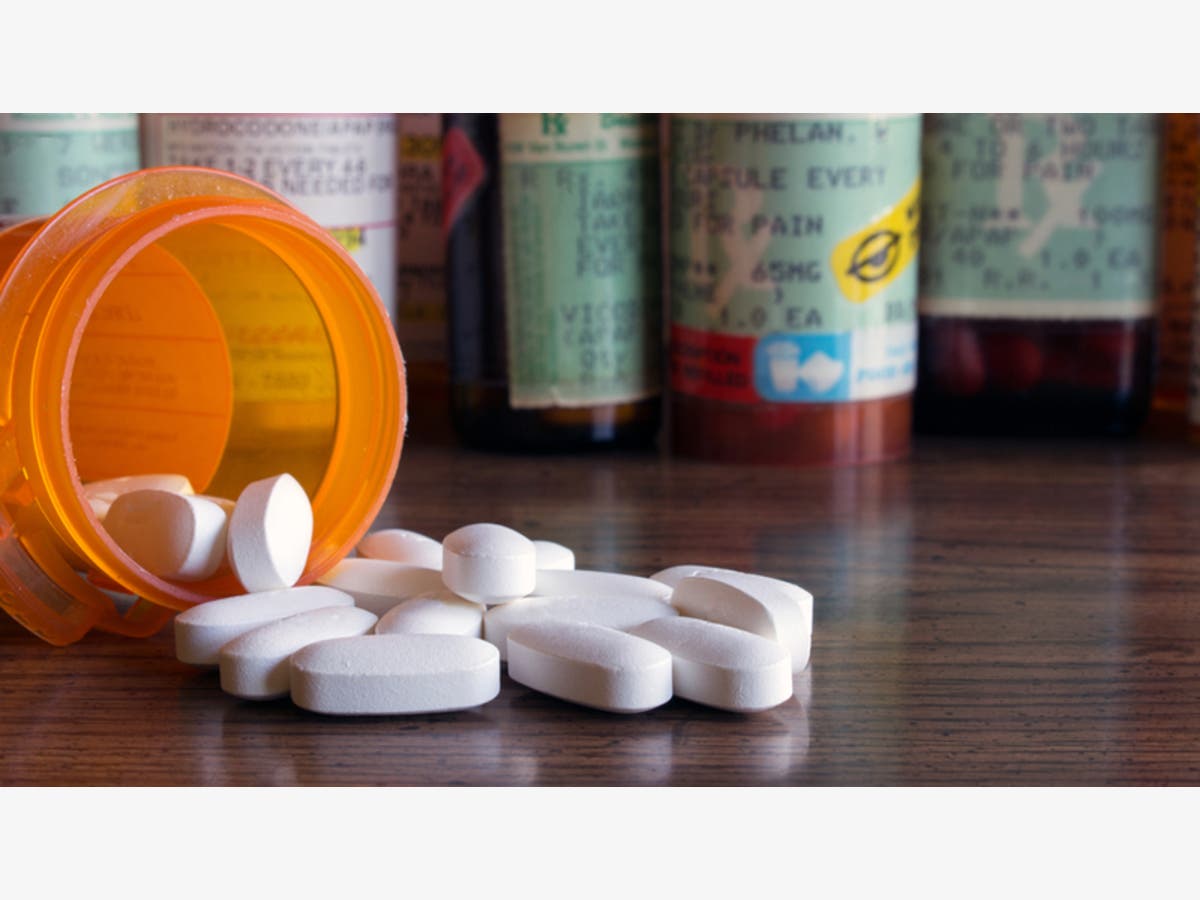
TOWSON, MD — You know all those old prescription bottles that you want to get out of the way but haven't in forever? In Towson, you can dispose of unused medication April 28 during the National Prescription Drug Take Back Day.
Sponsored by the Drug Enforcement Administration (DEA), the drug take back event is held twice annually to help Americans safely dispose of expired and unused prescriptions.
The majority of abused prescription drugs are obtained from family and friends, including from the home medicine cabinet, according to the DEA.
Find out what's happening in Towsonfor free with the latest updates from Patch.
Other methods of disposal — throwing unused drugs out with the trash or flushing them down the toilet — can cause environmental damage, the Environmental Protection Agency reports.
Prescription drug disposal events are happening at these spots in and near Towson from 10 a.m. to 2 p.m. on Saturday, April 28:
Find out what's happening in Towsonfor free with the latest updates from Patch.
- Towson precinct, 115 W. Susquehanna Avenue, Towson, MD 21204
- Towson University, University Union, 8000 York Road, 2nd floor lobby, Baltimore, MD 21252
- Parkville precinct, 8532 Old Harford Road, Parkville, MD 21234
The take-back event will be from 10 a.m. to 2 p.m. on Saturday, April 28. Check here to find more drug drop-off locations.
Last fall, Americans turned in a record-setting 912,305 pounds — or 456 tons — of potentially dangerous drugs, almost 6 tons more than collected at the spring 2017 event. That brings to 4,508 tons the amount of prescription drugs collected by the DEA since fall 2010.
Included in the haul are ever-higher amounts of opioids, the DEA said. Though prescribed for pain management, these highly addictive drugs can be stolen and abused by family members and visitors, including children and teens. Opioid use has been declared a public health emergency by President Donald Trump.
Often, the path to addiction to illegal drugs like heroin begins at a doctor's office with a prescription for opioids.
"The abuse of these prescription drugs has fueled the nation's opioid epidemic, which has led to the highest rate of overdose deaths this country has ever seen," DEA Acting Administrator Robert W. Patterson said in a statement. "This is a crisis that must be addressed from multiple angles. Educating the public and removing these medications from households across the United State prevents misuse where it often starts."
In 2016, opioids were involved in 42,249 overdose deaths, according to the federal Centers for Disease Control and Prevention. Overdose deaths were five times higher in 2016, the latest year for which statistics are available, than they were in 1999.
But it's not just opioids that pose dangers. Expired prescription drugs can be less effective or risky due to changes over time in chemical composition. Some expired medications are at risk of bacterial growth, according to the Food and Drug Administration. Expired antibiotics may not treat infections, leading to more serious illnesses and antibiotic resistance, the DEA said.
Get more information about the DEA's Drug Take Back Day.
Where To Get Help For Addiction
People can find help for substance use disorders through the treatment locator on the Substance Abuse and Mental Health Services Administration website or by calling the Maryland Crisis Hotline, which provides 24/7 support, at 1-800-422-0009.
There are Narcotics Anonymous and Alcoholics Anonymous meetings available locally as well as Nar-Anon and Al-Anon for family members.
Marylanders grappling with substance use can also find help at BeforeItsTooLateMD.org.
Photo by Kimberly Boyle/Shutterstock.
Get more local news delivered straight to your inbox. Sign up for free Patch newsletters and alerts.