Health & Fitness
Rabid Raccoon Driver Has Been Located: Baltimore Co. Health Dept.
After a rabid raccoon was left outside the Baltimore County animal shelter recently, health officials offer tips for rabies prevention.


BALTIMORE COUNTY, MD — The woman who took a rabid raccoon to the Baltimore County animal shelter last week has been located, according to officials. Authorities say that a woman left a raccoon outside the facility on Thursday, May 2.
Later officials said the animal was observed engaged in "peculiar behaviors" around the premises, and once it was found, the raccoon tested positive for rabies.
Cameras showed a woman with shoulder-length brunette hair and black pickup truck leaving the raccoon outside the facility at 13800 Manor Road in Baldwin after 6 p.m. on Thursday.
Find out what's happening in Towsonfor free with the latest updates from Patch.
Fearing she may have been exposed to rabies, Baltimore County Animal Services released a photo of the truck and asked for help locating the woman. Officials said they had found her by Monday, May 6.
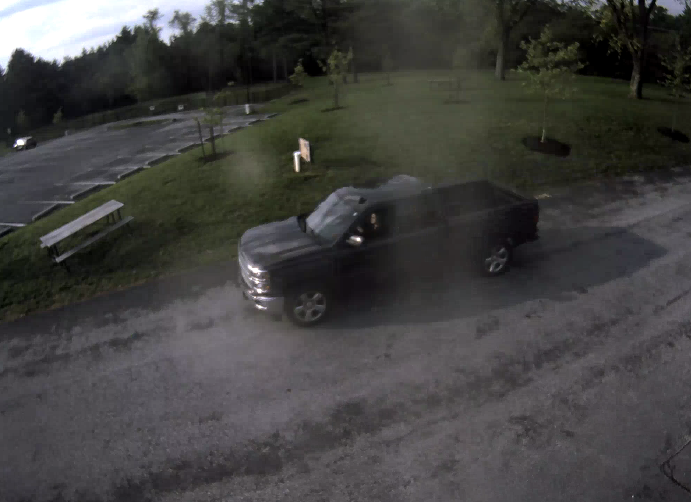
Baltimore County Animal Services
Find out what's happening in Towsonfor free with the latest updates from Patch.
People who may have had exposure to the raccoon (e.g., been bitten, scratched or licked) should get immediate medical attention from their health care provider or emergency room.
"There is no risk-free contact with these animals with regard to physical injury, rabies and other diseases," the Baltimore County Department of Health advised.
There have been 85 animals in Maryland that have tested positive for rabies so far this year as of April 20, according to the latest report from state health officials. Of those, 63 have been raccoons, accounting for nearly 75 percent of the rabid animals found this year.
In Baltimore County, there have been seven rabid animals — four raccoons, two foxes and one skunk.
Rabies is a viral disease most commonly transmitted through a bite from an infected animal.
Animals with rabies may act normally during the early stages of the disease. As the sickness progresses, wild animals may act docile/sociable and domestic animals may become aggressive.
Once rabies takes hold, animals may stagger, drool or become paralyzed.
The Baltimore County Department of Health reminds residents of these tips for rabies prevention:
- Keep rabies vaccinations up-to-date for all pets and do not allow your pets to roam freely. Call 410-887-PAWS (7297) for more information or visit the county's animal services page on getting pets vaccinated.
- Avoid contact with wildlife and stray/feral animals, particularly ones that appear sick.
- Do not provide food, water or shelter to wildlife or strays. If you feed your pets outdoors, do not leave food or water bowls out for extended periods, especially overnight.
- Consider the risk of rabies and other diseases before interacting with any animal, especially in a home with children, older adults, other pets or people with compromised immune systems. Those considering adopting stray or feral cats should speak with a veterinarian for guidance.
Get more local news delivered straight to your inbox. Sign up for free Patch newsletters and alerts.