Health & Fitness
MA Residents Told To Squish Spotted Lanternflies As Pest Spreads
State agricultural officials are asking residents to help control the spread of spotted lanternflies as the invasive insect appears


Massachusetts agricultural officials are asking residents to help control the spread of spotted lanternflies as the invasive insect appears in more communities.
Guidance from the Massachusetts Department of Agricultural Resources tells residents to smash or squish adults, nymphs and egg masses. Residents can also place the insects in rubbing alcohol or hand sanitizer.
“With populations of spotted lanternfly expanding, we expect that more residents will start to see SLF activity at home or where they work,” MDAR Commissioner Ashley Randle said in an update from last year.
Find out what's happening in Across Massachusettsfor free with the latest updates from Patch.
Where Spotted Lanternflies Have Been Found
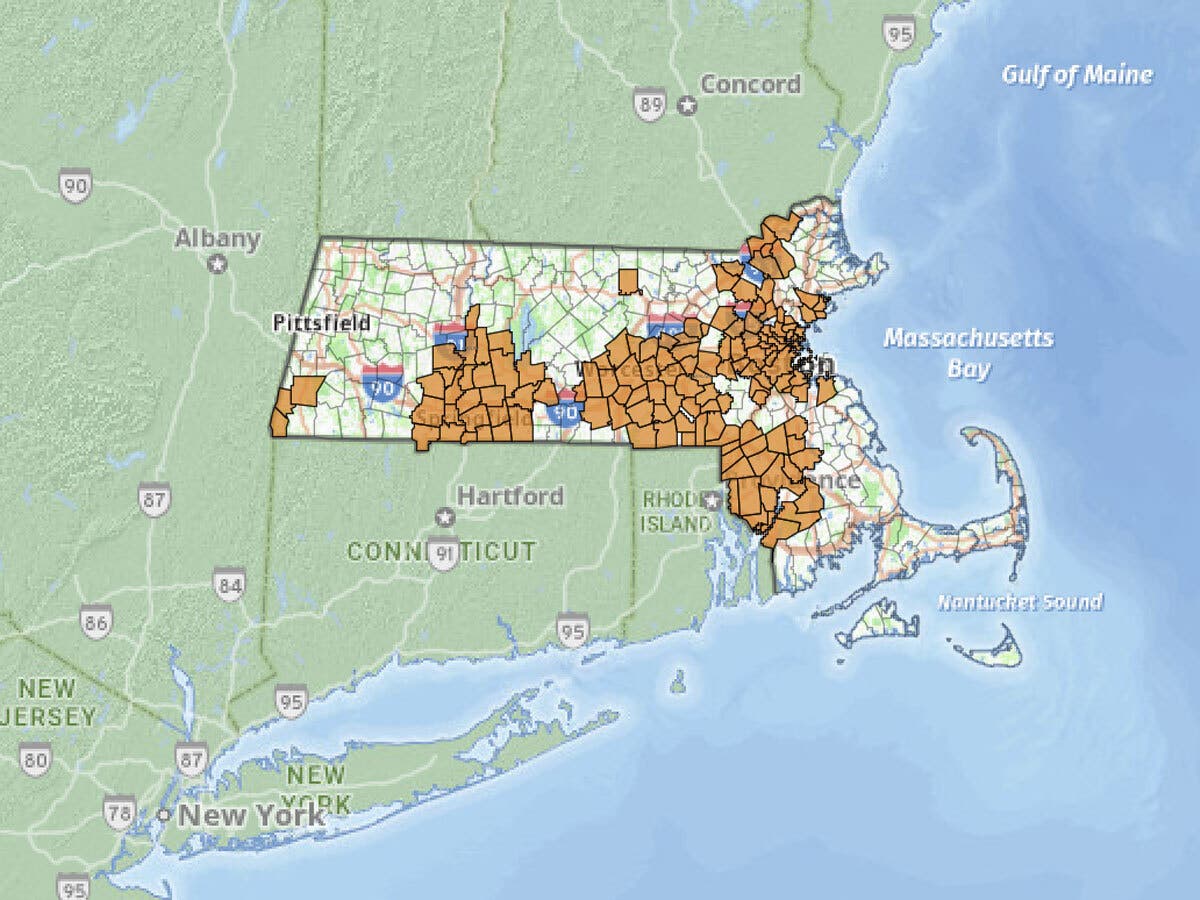
More than 115 Massachusetts communities had identified the insect by the end of 2025, according to MDAR.
Known infestation locations include Worcester, Shrewsbury, Westborough, Marlborough, Grafton, Wayland, Southborough, Springfield, Holyoke, Agawam and other communities across eastern, central and western Massachusetts.
Find out what's happening in Across Massachusettsfor free with the latest updates from Patch.
MDAR recently confirmed an infestation in Mendon, according to a town notice from last month.
Residents can check the state’s interactive infestation map for the latest town-by-town information.
What Residents Should Do
Adults are about an inch long, with gray wings, black spots and red hindwings. Egg masses look like gray or beige smears of dried mud and may appear on trees, vehicles, outdoor furniture and other flat surfaces.
Residents who find a spotted lanternfly in a community not marked on the state map should photograph it and submit a report through the MDAR website.
Spotted lanternflies do not bite or sting people or pets. They feed on plant sap and can damage grapevines, saplings and agricultural crops. They also produce a sticky waste called honeydew that can coat plants and outdoor surfaces.
See Also:
Get more local news delivered straight to your inbox. Sign up for free Patch newsletters and alerts.