Weather
Potential ‘Super El Niño’ Coming Faster Than Expected: What It Means For MA
Massachusetts could experience a warmer and somewhat wetter-than-average late spring and early summer.


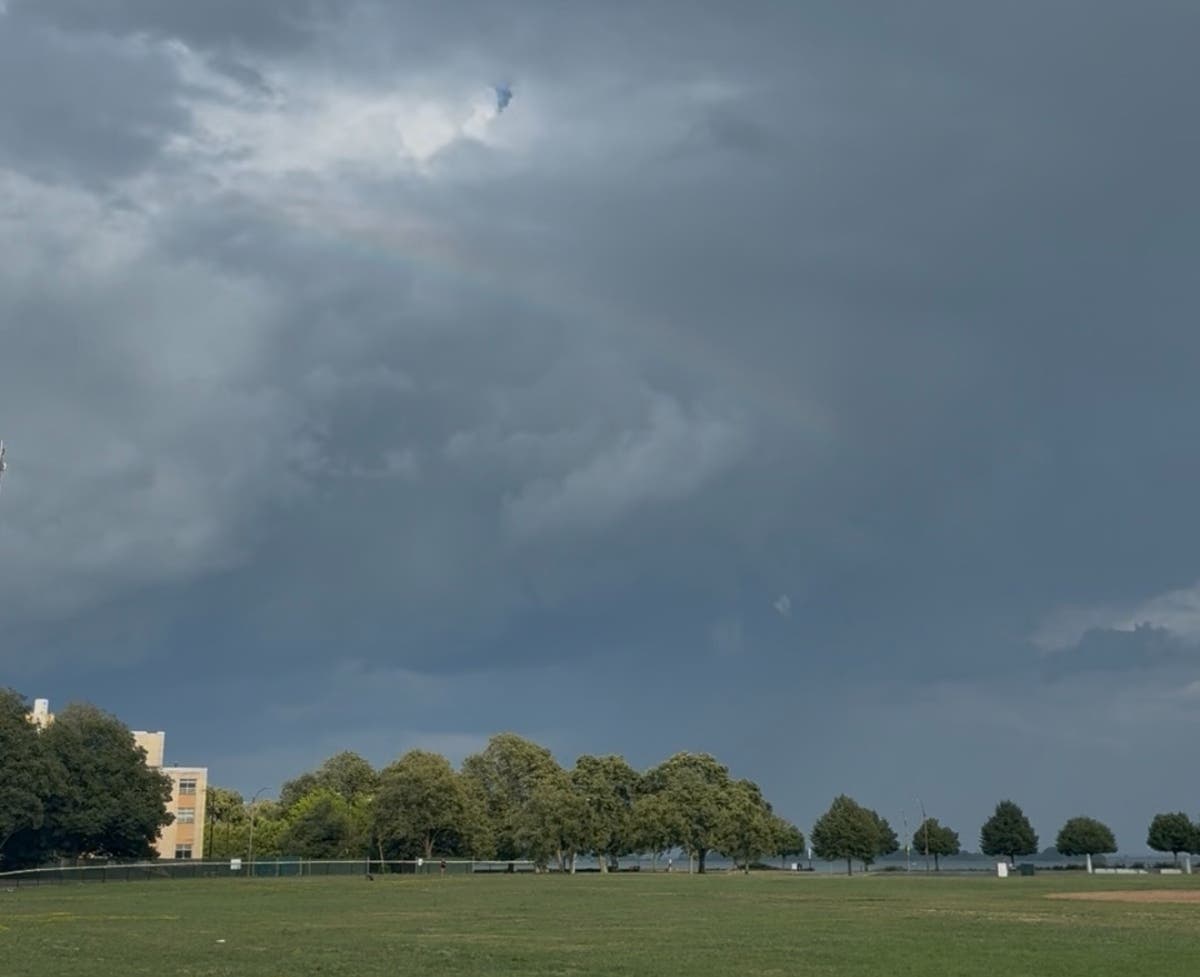
MASSACHUSETTS — Scientists are warning that conditions in the Pacific Ocean could lead to a powerful El Niño weather pattern developing earlier than expected, potentially bringing conditions to Massachusetts that will persist into winter.
In a forecast discussion Thursday, the National Oceanic and Atmospheric Administration’s Climate Prediction Center estimated an 82 percent chance that El Niño conditions will develop as soon as this month and a 96 percent chance they will persist into February 2027.
The latest NOAA May through July outlook suggests Massachusetts could experience a warmer and somewhat wetter-than-average late spring and early summer, with temperatures and precipitation levels above average across the Bay State.
Find out what's happening in Across Massachusettsfor free with the latest updates from Patch.
While forecasters are not predicting extreme heat or drought for New England at this point, El Niño can influence the jet stream and storm tracks in ways that favor milder temperatures, increased humidity and more frequent rain events across parts of the Northeast.
A historically strong “super El Niño” can disrupt weather patterns worldwide, often bringing heavier rains and flooding to some regions while worsening drought and heat in others. Meteorologists say a major event in 2026 could contribute to record global temperatures, alter hurricane activity, fuel wildfires, and strain food and water supplies in vulnerable areas.
Find out what's happening in Across Massachusettsfor free with the latest updates from Patch.
NOAA said it is still too early to know whether it will reach “super El Niño” strength. Spring forecasts are notoriously uncertain because ocean and atmospheric conditions can change rapidly.
Thursday’s forecast discussion contrasts with a February outlook in which NOAA said a weakening La Niña in the tropical Pacific was expected to transition to ENSO-neutral conditions by spring, likely lasting through the summer.
AccuWeather, The Weather Channel and the Old Farmer’s Almanac also said in their February outlooks that a weakening La Niña pattern would transition to neutral conditions in the spring, but did not forecast a developing El Niño.
More recent forecasts, including one last month from the private weather company AccuWeather, predicted that a strong El Niño would bring increasing heat, rounds of severe weather, and shifting regional patterns across the United States.
That forecast suggested Boston is expected to see more 90-degree days than normal. The city averages 15 90+-degree days in a typical summer, with AccuWeather forecasting 15 to 20 this summer.
AccuWeather meteorologists said the Northeast and mid-Atlantic can expect a warmer summer with intense heat and potential localized flooding from thunderstorms. The South and Southeast may see frequent storms and above-average rain, while the Midwest and Ohio Valley face heat and severe, damaging storms. Hot, dry conditions in the West, particularly the Southwest, increase drought and wildfire risks.
See Also:
Get more local news delivered straight to your inbox. Sign up for free Patch newsletters and alerts.