Health & Fitness
Cancer Treatment for Dogs and Cats
Treating cancer in your pet is a team effort between your vet and a veterinary oncologist.
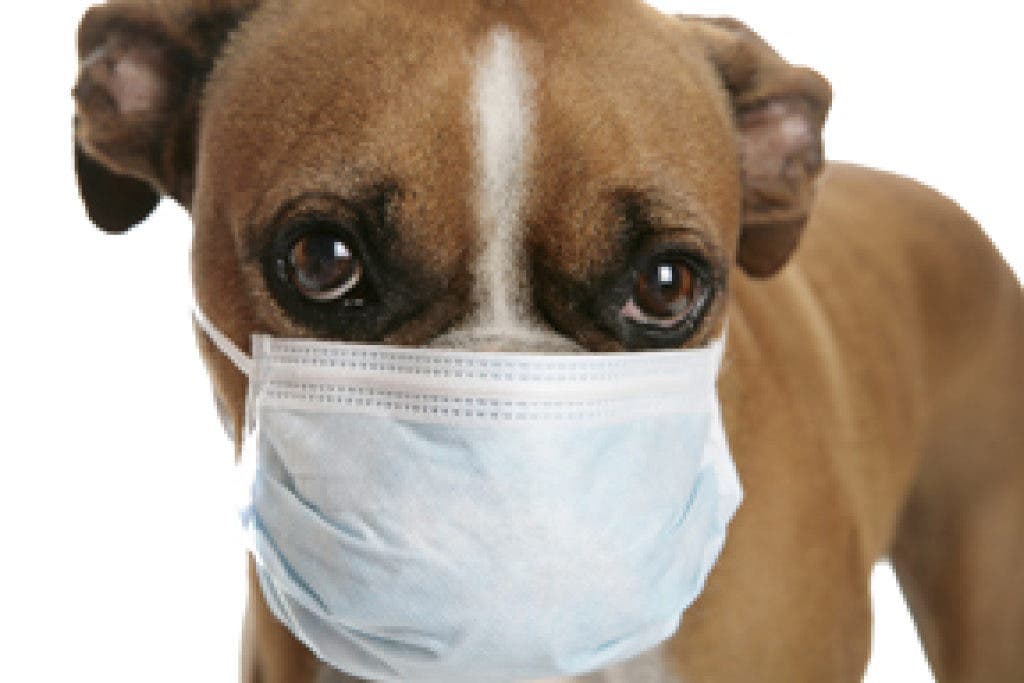
Dogs and cats are generally living longer due to improved nutrition, medical care and preventive medicine practices. As they age, these animals may be prone to developing cancer. According to Web MD, cancer is more prevalent in dogs than in cats. But feline cancer can be more aggressive.
Veterinary oncology specialists are experts in diagnosis, treatment, and palliative care of animals with cancer. As one of the fastest growing disciplines within veterinary medicine, oncology still remains the least understood by pet owners. Many pet owners have known people who have gone through cancer treatment and believe that it results in unpleasant side effects. Most animals tolerate chemotherapy and radiation therapy quite well, and, just as in human oncology treatments, side effects usually can be effectively treated to offer relief.
For some types of cancers, surgical treatments are the first step and may be curative. Other cancers may be more spread out and require chemotherapy. Even if a cure is not obtainable, treatments can help with bringing on a remission or slowing the progression of a cancer. Palliative care can also be offered to make the pet’s remaining life more comfortable and enjoyable.
Find out what's happening in Actonfor free with the latest updates from Patch.
Once a diagnosis of a specific cancer is made, the next step is to consult with a veterinary oncologist in order to learn about treatment options and prognosis. Most veterinary practices then work in conjunction with these specialists as a team to provide some of the necessary care during the oncology treatments. Although some treatments may be costly, many follow-up services such as routine laboratory monitoring can be done comfortably and conveniently at your vet’s office.
Here are links to three local oncology practices where our patients are referred:
Find out what's happening in Actonfor free with the latest updates from Patch.
• New England Veterinary Oncology Group (NEVOG) – Waltham
• Angell Animal Medical Center – Boston
• Foster Hospital for Small Animals at the Tufts Cummings School of Veterinary Medicine – North Grafton
Karen Geissert, D.V.M., owner of Acton Animal Hospital, has practiced veterinary medicine for over 27 years. She is a member of the Massachusetts Veterinary Medicine Association and American Veterinary Medical Association. To contact her with more questions, email actonanimalhospital@comcast.net.