Schools
Getting Started With Some Big Decisions
Fall College Night at ABRHS provides important information about college application process.
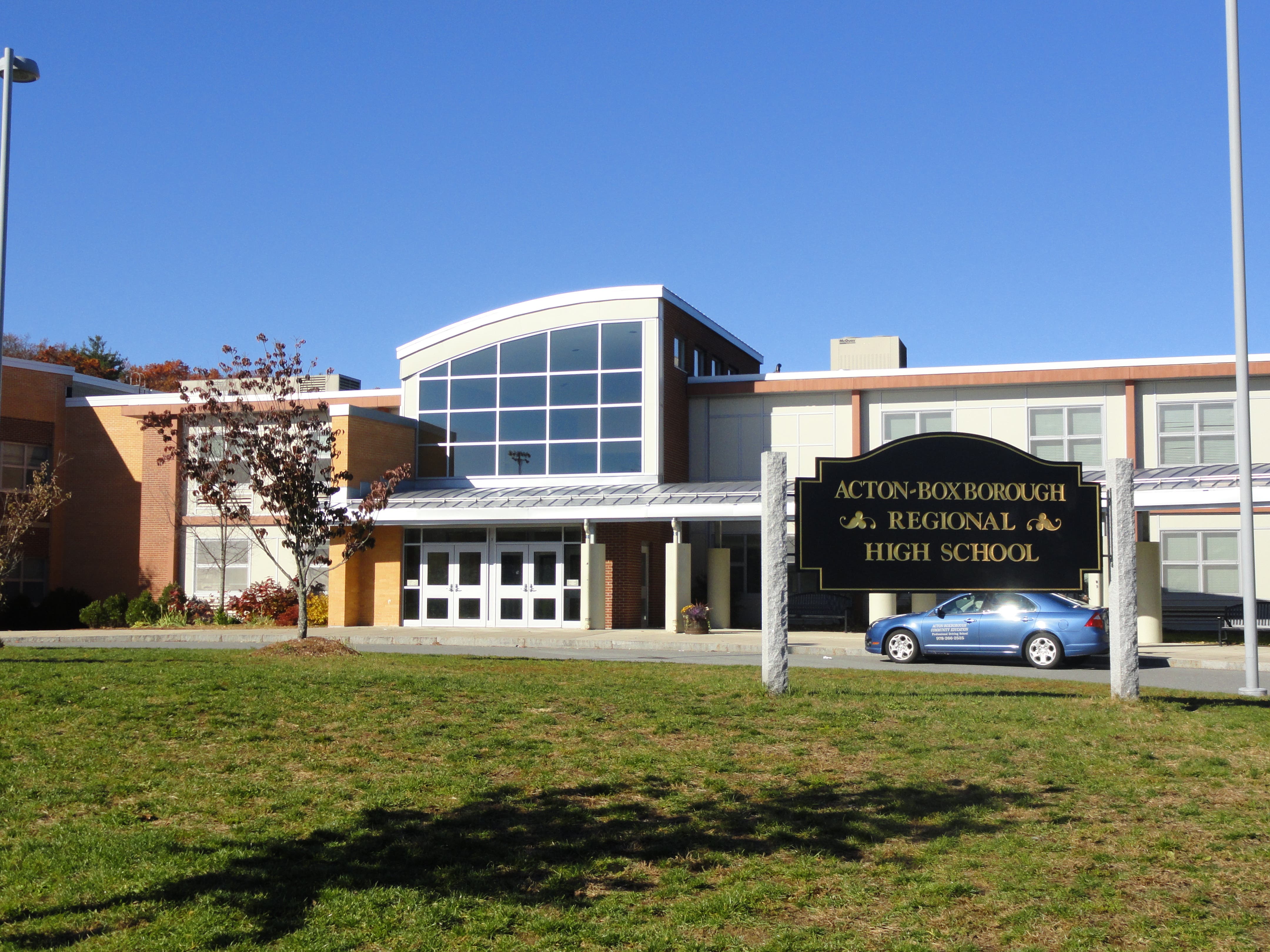
For many decisions in life, there’s no such thing as being too prepared. And certainly choosing where to go to college is one of the biggest decisions a high-schooler will have to make.
juniors and seniors, many with their parents, started the process of weighing their options at the recent Fall College Night at the school's auditorium, where speaker Jen Gabel from the school’s counseling department addressed some of the issues surrounding applying for college, including the pros and cons of early decision and early action, as well as procedures for submitting applications and requesting transcripts, school reports, and teacher recommendations.
In her presentation, Gabel told the audience of several hundred that the biggest advantage of applying ‘early action’—the process that permits a student to apply to a preferred institution and receive a decision well before spring of his or her senior year—is that “if you know you’re only really into going to a few (colleges or universities), it can be helpful to apply early.”
Find out what's happening in Actonfor free with the latest updates from Patch.
On the other hand, students whose academics may be “on the upswing” may “want to wait to apply” until the spring, said Gabel, adding that more schools are instituting a “restrictive early action” policy, which, in effect, allows interested candidates to apply to only one early-action institution and to no institutions for early decision.
Gabel then discussed the advantages of applying early decision, the process in which a student makes a binding commitment to an institution that he or she will enroll in if admitted, and withdraw all applications at other institutions. In some cases, said Gabel, choosing to apply early decision can “provide a little bump” for some students in that their college of choice will “know that (the student) really feels committed.”
Find out what's happening in Actonfor free with the latest updates from Patch.
However, she cautioned, “If (the family) locks in early, they won’t have a chance to see what financial aid is available from other colleges”—not to mention the fact that, of course, “kids change their minds. So that is something to think very consciously about.”
Audience questions ranged from appropriate extracurricular activities to transcript deadlines, with Gabel stressing the importance of staying organized. Transcripts, for instance, require 20 business days’ notice—a long lead time, but one clearly necessary for the sheer volume the counseling department processes.
“Last year 3,222 transcripts were sent out so I can’t stress enough the importance of getting those requests in on time,” she said.
Such information was “really useful” for parent Gareth McKinley, who attended the event with son Colin, a senior, and said the presentation gave him a “much clearer idea of how soon things are coming up. Things are a lot closer than I realized.”
Colin, who is hoping to attend the University of Miami’s music school, won’t be applying early action or early decision because of a guitar audition that will take place after those deadlines, but agreed with his father that the information was “really important.”
Jennifer Rogan, a senior, said that while she feels overwhelmed by the college application process, her best strategy will be to “try to get as much information in as many ways as possible.”
“I learned a lot tonight,” said Rogan, who said she plans to apply early decision at Moody Bible Institute in Chicago. “The biggest thing to me is to stay aware that colleges are selling a product. I found that comforting.”
Also comforting to ABRHS students, said Linda Murphy from the counseling department, is the school’s visibility among higher institutions.
“Colleges all around the country are aware of A-B’s quality and reputation,” said Murphy.
Even so, said Gabel, second only to organization in getting through the college application process successfully is a certain amount of open-mindedness.
“There are 3000-plus colleges out there. Things are more competitive than when you or I applied and many students have a preconceived notion of where they want to apply,” she said. “So we want kids to work with their counselors to have a range of schools (in addition) to their dream schools. There are so many great institutions out there—not just the top 25.”