Politics & Government
Sen. Eldridge Votes to Pass $38.09 Bill FY2016 Budget
Eldridge highlights increases to local aid, education, housing and human services.


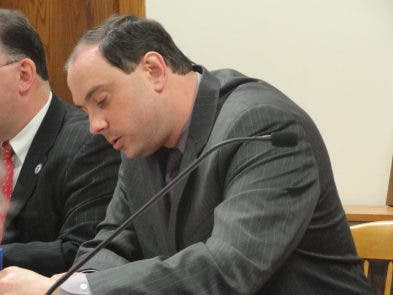
Senator Jamie Eldridge, D-Acton, voted in support of a $38.09 billion budget for Fiscal Year 2016, according to an announcement.
“I’m pleased with investments the Senate has made in the FY16 budget that will make a difference in people’s lives, and the reforms embraced by the Senate to expand the Earned Income Tax Credit, reform the MBTA, begin reform on our criminal justice system, and increase the oversight of protective services towards children,” said Sen. Eldridge in a statement. “I also offer great praise for Senate Ways and Means Committee Chairwoman Karen Spilka and her staff for their hard work and dedication to make this such a comprehensive state budget.”
“This final budget builds on the themes and investments of the Senate Ways and Means recommendations to lift all families and invest in our future,” said Senate Committee on Ways and Means Chair Karen Spilka, D-Ashland, in the announcement. “I am proud of the collaborative process and spirited, thoughtful debate this week to create a budget that reflects shared Senate values and advances individuals, families and communities across the Commonwealth.”
Find out what's happening in Actonfor free with the latest updates from Patch.
The budget reflects the Senate’s continued commitment to local aid for cities and towns.
· $4.51B for Chapter 70 education aid, allowing for a minimum increase of $25 per pupil and bringing school districts closer to their target spending through 50% effort reduction.
Find out what's happening in Actonfor free with the latest updates from Patch.
· $979.8M for Unrestricted General Government Aid (UGGA) for community investments in education, public safety, roads and bridges and health care.
· $271.6M to fully fund the Special Education Circuit Breaker for the 4th straight year.
· $59M for the Regional School Transportation program, which reimburses regional school districts for the costs of transporting students to and from regional schools.
· $14M for the Massachusetts Cultural Council to support arts, culture and the creative economy in communities across the state and $6M for Regional Tourist Councils.
· $17M for the Massachusetts Emergency Food Assistance Program.
· $12.1M for the Employment Services Program and $5M for the Pathways to Self-Sufficiency Program.
· $11.5M for the Youth-At-Risk Summer Jobs program.
· $2M for the Workforce Competitiveness Trust Fund to train unemployed and low-wage workers for high demand industries.
· $1.2M for a new Training Resources and Internship Networks (TRAIN) grant program to specifically target the long-term unemployed through partnerships with community colleges to provide training and internship opportunities.
· A new $1M Family Well-Being Plan pilot program to promote educational and employment opportunities for those exempt from Department of Transitional Assistance (DTA) work requirements.
In addition, the budget invests in the full spectrum of homelessness prevention and housing support services to strengthen links to permanent housing solutions, including:
· $154.9M for Emergency Assistance Family Shelters.
· $85.4M for the Massachusetts Rental Voucher Program to fund between 600 and 750 new rental assistance vouchers and $4.8M for the Alternative Housing Voucher Program, the rental assistance program for people with disabilities.
· $44.7M for Homeless Individuals Assistance.
· $13M for Residential Assistance for Families in Transition (RAFT).
· $2M for housing and supportive services for unaccompanied homeless youth.
· A new $7M reserve to fund flexible short-term assistance to divert homeless families, or families at risk of becoming homeless, from shelters to stable housing.
The budget includes $2.5M for the Massachusetts Offender Recidivism Reduction Program and $8M for the Shannon Grant Program to combat gangs and youth violence in communities across the state. The budget also improves access to justice by investing $17.1M in civil legal aid for poor and disadvantaged Massachusetts residents and $1.4M in Prisoners’ Legal Services.
A Conference Committee will now work out the differences between the Senate budget and the version passed by the House of Representatives in April. Fiscal Year 2016 begins on July 1, 2015.
Get more local news delivered straight to your inbox. Sign up for free Patch newsletters and alerts.