Schools
Grants Available for Earthy Education Projects
Agricultural projects such as purchasing an egg incubator to breed chicks or a taking a field trip to a cranberry bog qualify for a Massachusetts Agriculture in the Classroom grant.
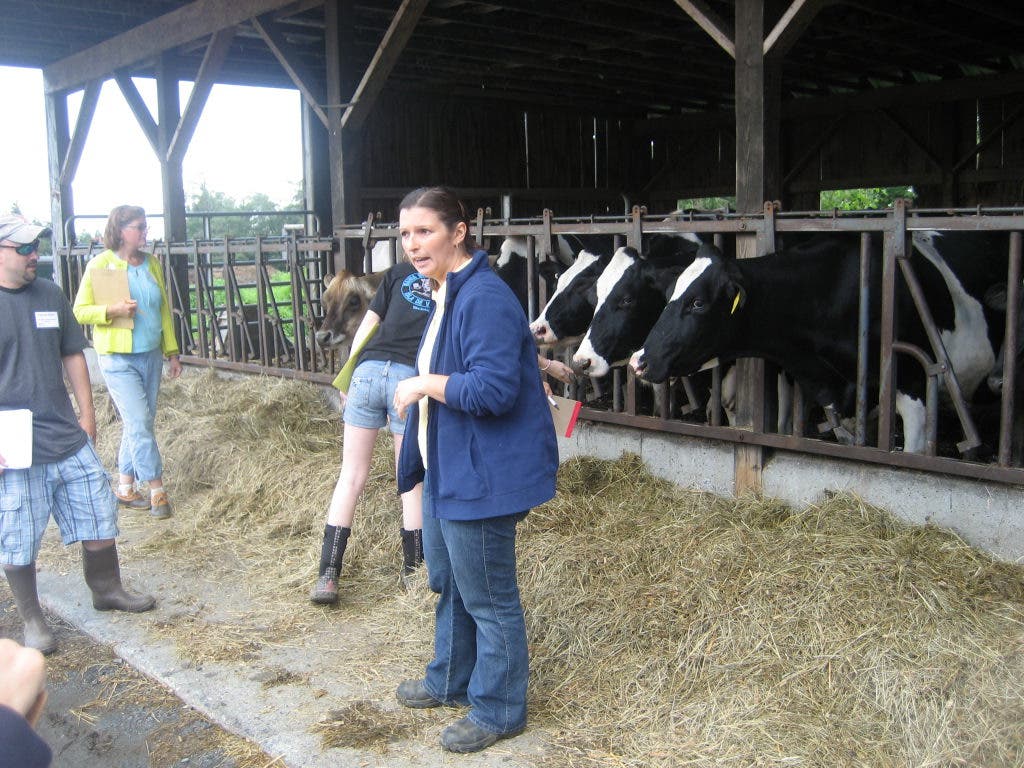


Seekonk teachers who help students grasp the science of agriculture may be able to get a little funding for agriculture-related projects.
Educators and farms working with schools can apply for a mini-grant from Massachusetts Agriculture in the Classroom (MAC). Up to $1,500 will be given to projects that “seek to educate youth about the real issues involved in the agricultural industry in Massachusetts.” The deadline submission for proposals is November 1.
Some of the projects funded with MAC grants in the past include planting and maintaining “colonial agriculture” to educate students about native food and harvesting processes, purchasing an egg incubator to breed and hatch chicks, and a field trip to a cranberry bog. They are not currently funding beautification or school garden projects, but hope to in the near future with help from a grant they recently received.
Find out what's happening in Attleborofor free with the latest updates from Patch.
Seekonk resident and Executive Director Debi Hogan says MAC was started in 1982 as an unfunded mandate from the U.S. Department of Agriculture. According to Hogan, the philosophy is “teach the teacher.” In addition to providing mini-grants to educators, they also have a graduate course through Fitchburg State College, facilitate 12 workshops a year, maintain a website with educator resources, co-sponsor school groups to go to regional fairs like The Big E, hold a yearly conference and put out three annual newsletters, each with activities and ideas for teachers.
MAC raises funds via donation, much of it from farm bureaus and farmers, as well as through grant money, lottery proceeds and the annual Massachusetts Agriculture calendar.
Find out what's happening in Attleborofor free with the latest updates from Patch.
“We don’t have a lot of money,” says Hogan, “But we do a lot with it.”
As for local projects, Hogan says she knows a number of Seekonk teachers receive MAC emails, but has no way to track whether any of the information is being used in the classroom. However, a Providence teacher, after attending MAC’s winter conference, started the school garden at the Wheeler School Farm in Seekonk.
“These days when we’re so suburbanized and urbanized, when perhaps there’s too much time spent with computers and TV’s, making the connection to agriculture gives kids the opportunity to see where their food comes from," says Hogan.