Schools
VIDEO: What Makes Teenagers Tick: Dr. Brown on Adolescent Brain Development
Dr. William Brown lectured to an auditorium over 150 people on the development of the adolescent brain.
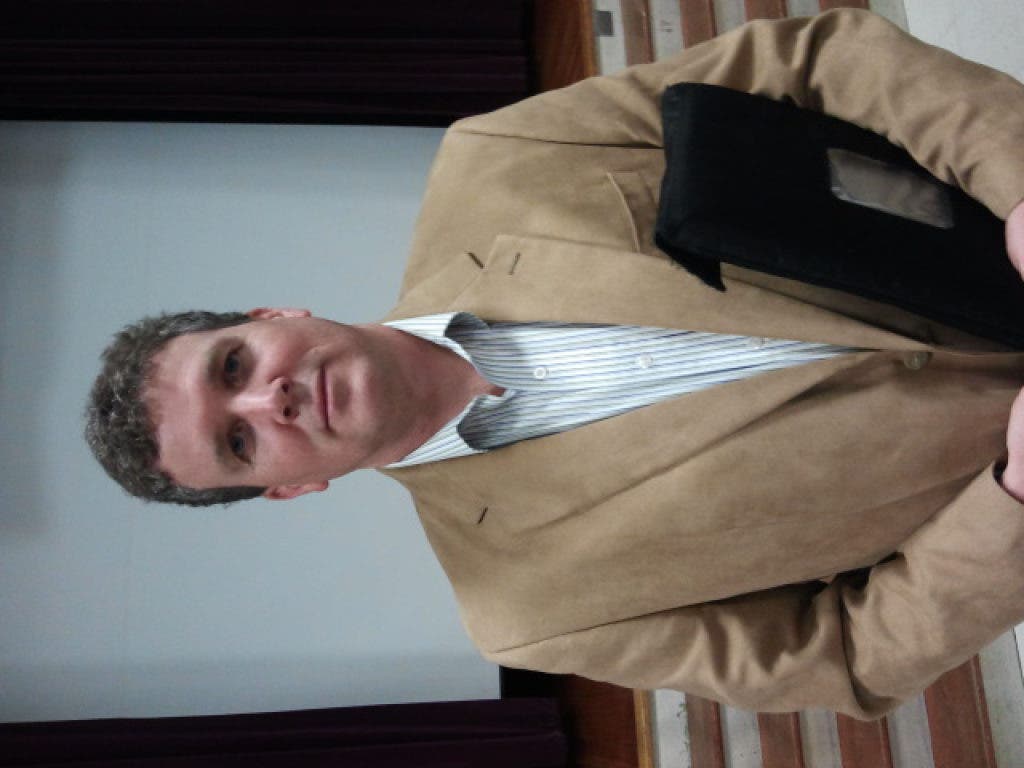


Dr. William Brown, a local pediatric neurologist led a lecture on the mysteries of the teenage brain at the on Thursday, April 14.
Using examples from his childhood, Dr. Brown spoke about the foolish, impulsive decisions adolescents would make, such as trespassing and risky extreme sports.
The question posed for the evening was: What is the biological basis for adolescent decisions?
Find out what's happening in Attleborofor free with the latest updates from Patch.
Dr. Brown, using a humorous analogy, illustrated the similarities and differences between adults and teenagers. “Adolescents are like Canadians—they look like us, they talk like us, but they are not us,” he said.
According to Brown’s lecture, there are four types of decision-making; emotion, impulse control, reward valuation, and genetics.
Find out what's happening in Attleborofor free with the latest updates from Patch.
Each of these areas work in unison to allow an adolescent to actively assess situations and then execute an action based upon his or her analysis of the situation.
The most obfuscating of the four, reward valuation, had the greatest attention spent on it by Dr. Brown. Reward valuation is not a monetary value assignment, but a practical examination of what can be reaped from a particular action: pleasure, positive reinforcement, social advancement, respect, etc.
According to Brown, teenagers equate the riskiest behaviors with those with the most reward, risky behaviors including: sex, drugs and extreme sports.
Risk-taking behavior increased nearly three times while being with peers, according to a study presented by Dr. Brown.
“Teenagers' ability to recognize risks [are] the same as adults. The hormonal activity of teenagers cause them to have a higher sensitivity to emotional responses,” Brown said.
After the presentation, the floor was opened up to questions and answers.
One resident inquired, “Are reckless behaviors learned behaviors? Should we allow our children to be exposed to individuals like Snookie from the Jersey Shore?”
“I can’t believe I am going to do this, but I am going to quote Nancy Reagan, ‘Just say no!’ Turn it off. If they sneak around it, disconnect the cable,” Brown responded, followed by resounding applause.
He continued the thought thread.
“I am not a friend to my children, I am their father. We don’t regulate enough. We need to be regulating more – you’re goalie. You have to move them forward. Let them fall, help them back up, but you must move them forward,” said Dr. Brown.
The next workshop will take place on April 28 at 7 p.m. at the Seekonk High School. It will be a community round-table discussion on the risks students within the community take.