Schools
900+ Friends and Only 12 Years Old
Although there are not many reports of serious cyber-bullying, it does not mean it is nonexistent - a BIS technology teacher shares her insights.
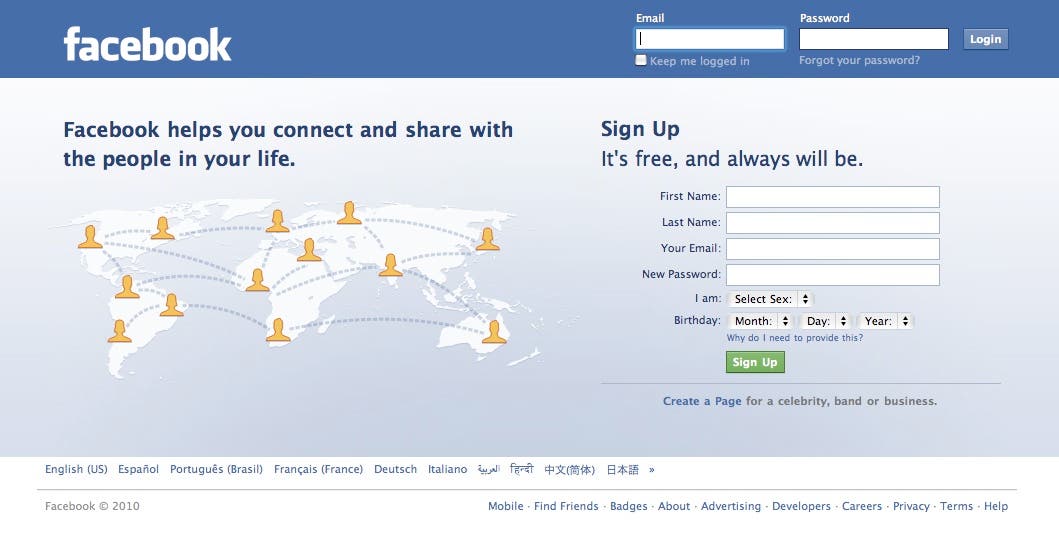
During class last week a student asked me how many friends I have on Facebook.
“I have no idea,” I replied.
“Well, I have 945,” he told me, prompting the rest of my class to chime in with their total friend counts.
Find out what's happening in Barnstable-Hyannisfor free with the latest updates from Patch.
At this point we were off topic, but at a starting point for a conversation I enjoy having with my students.
I casually started lobbing questions at them, “How is it possible to know 900 people when you have only been around for 12 years?”
Find out what's happening in Barnstable-Hyannisfor free with the latest updates from Patch.
The student's response was they don’t really know all of them. They are friends with anyone that asks; friends of friends, sibling’s friends, even people they know of, but never speak to.
“Are you friends with people you don’t like?,” I asked.
They provided a mixed response of “yes,” “no,” and “sometimes.” I threw a few more generic questions out there before giving them the one I really wanted the answer to, “Do you get bullied on Facebook or do you bully anyone?”
One female student told me, “Jealousy fuels bullying. I see it on photos, like tagging people as stupid and dumb, and meaner stuff than that.” Her classmate added, “The like button gets kids going, someone calls someone a name and people start ‘liking’ it. It gets kinda out of control.” Other kids claim it is not so bad because they know how to block people they do not want to talk to.
Cyber-bullying is the side of bullying teachers and parents are less likely to see, since it occurs over cell phones and social networking sites like Facebook.
Facebook enforces an age minimum of 13 to have an account, but all that is really required to prove your age is an email address. At the beginning of the year I asked my students how many had Facebook accounts. In every class all but two or three kids would raise their hands. Then I would ask how many were 13, and barely any had their hands raised.
It is easy to create an account and many do it with their parent’s permission under the agreement that they will “friend” their parent. What parents do not always realize is that they cannot read privately sent messages or see the online chat unless they have their child’s username and password. According to my students, this is where the majority of cyber-bullying occurs.
This is not the first time I asked my students about cyber-bullying and it will not be the last - even though none of my students have reported to me serious cyber-bullying incidents on Facebook it does not mean they are nonexistent.
Facebook does have a fairly large safety area for parents and kids like options to block other users, report harassment and steps to take if a teen is being cyber-bullied.
At BIS, Facebook is blocked, but the technology teachers are making students aware of these resources and privacy settings that are available.
As part of the extensive anti-bullying law Governor Deval Patrick passed last May, cyber-bullying is part of my curriculum.
The law requires all teachers, administrators and even bus drivers report any signs of bullying as well as a requirement to attend training every year to prevent bullying.
Part of our bullying prevention is creating a kinder climate for the students. At the beginning of the year a kindness committee was established and everyone at signed an agreement to contribute to a positive and kind environment.
There are posters around the school where students and teachers record any acts of kindness they see, which prompts the kids to do nice things for each other. As a teacher, I feel like it is working. Students are nicer to each other and they are becoming more aware of how their words affect others.
As I steered the Facebook discussion back to the main focus of class, I left them with this reminder. Even though there are privacy settings, nothing is really private. They are sharing with someone, and in middle school, many of their friends this week, will not always be their friends the next. They are opening their lives up to others with the potential for all types of feedback from their peers.
“I’m always open to this discussion,” I told my students. They roll their eyes, but secretly, I think later they might post on their wall how cool I am.