Schools
School Using Creative Ways to Close Potential $2M Deficit
Unless things change, Barnstable school's will face a $2 million shortfall in 2012. Despite the deficit, school officials are optimistic about finding funding.

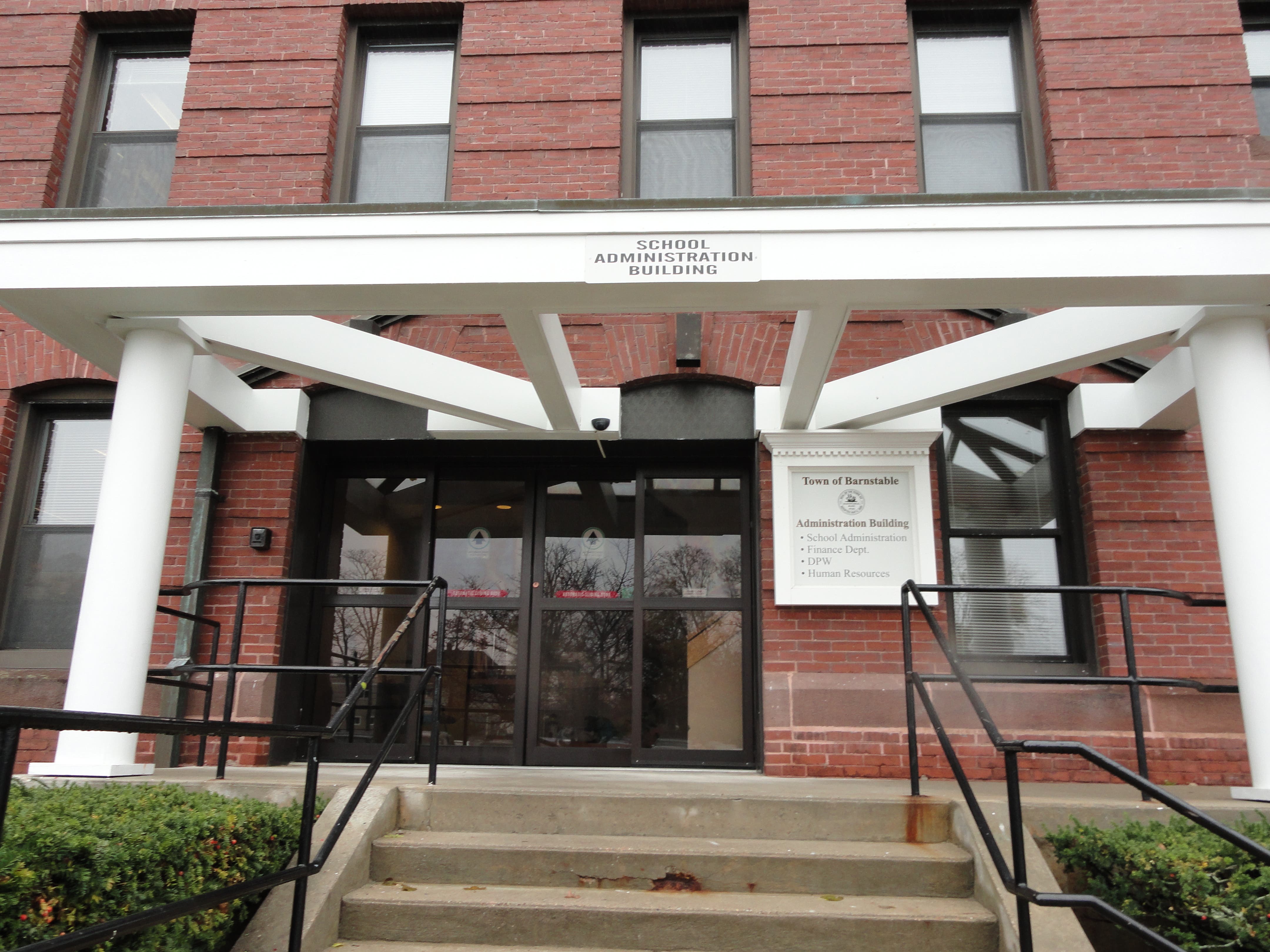

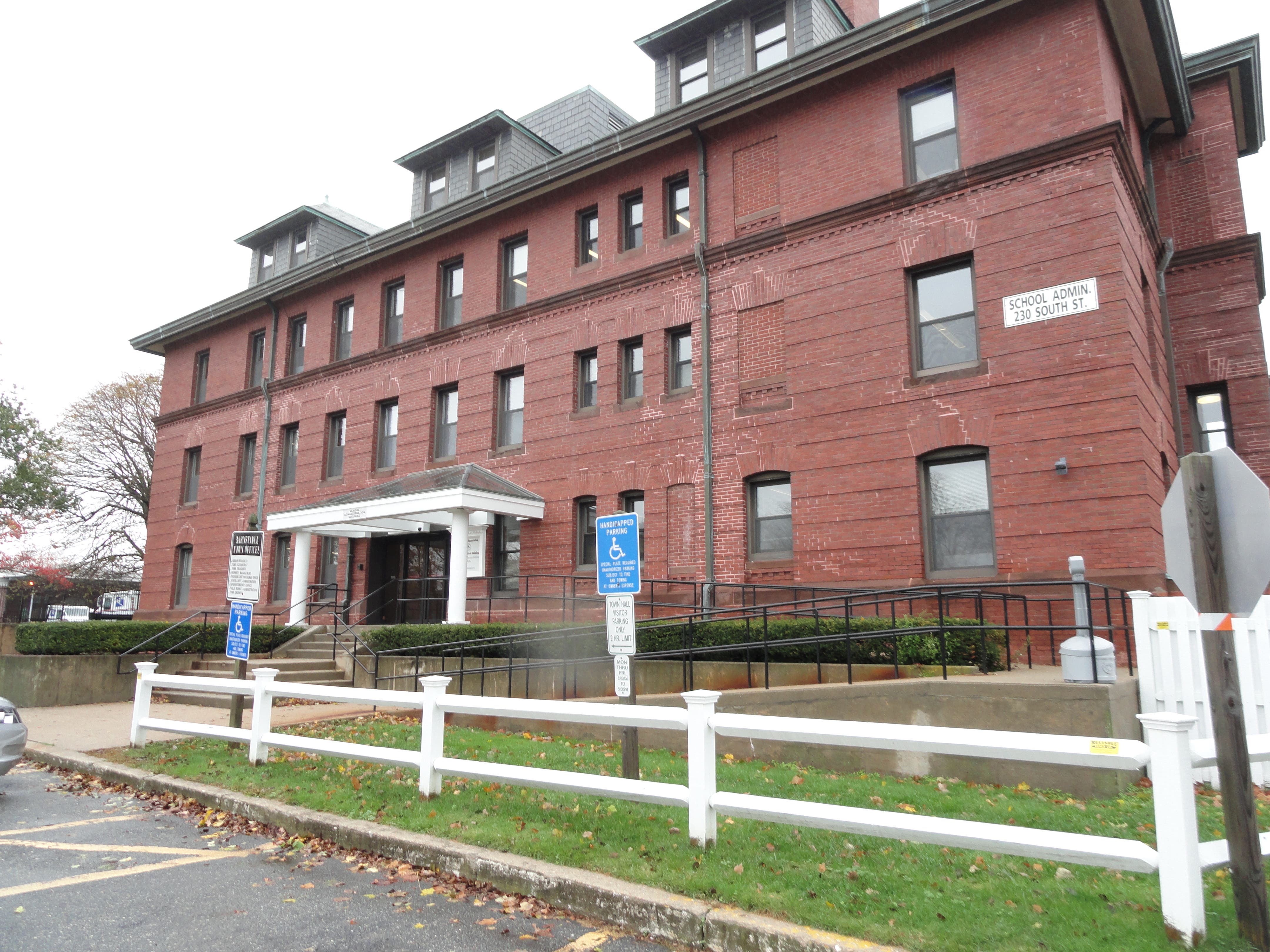
An anticipated increase in expenses and a decrease in local aid have school district and town finance officials thinking about how to handle a potentially drastic FY'12 shortfall.
Next year, officials are expecting an increase in oil prices and a 10 percent increase in health insurance premiums. The increased expenses, coupled with the fact that local aid will most likely be cut, will create a hefty deficit.
Some estimates have the decrease in local aid as high as 10 percent, which means $1 million less in local aid for the school district. Using current revenue projections, this would result in a $2 million budgetary shortfall.
Find out what's happening in Barnstable-Hyannisfor free with the latest updates from Patch.
The deficit is a “general fund budget gap as it represents the difference between the cost of level funded service and the available revenue that can be provided from the Town’s general fund,” explained Barnstable’s Finance Director Mark Milne.
Barnstable faced tough budgetary problems two years ago when the district laid off 75 staff members. But right now, Barnstable officials are not panicking and are actually optimistic closing the financial gap is feasible.
Find out what's happening in Barnstable-Hyannisfor free with the latest updates from Patch.
Patricia Grenier, Barnstable’s superintendent of schools, said there are a number of ways it can make up the differences.
What this translates into is using accounts that are typically used as offsets. The district will consider drawing funds from transportation fees, the 2012 circuit breaker account, school choice money, left over funds from 2011 and possibly the town’s savings account.
“The school department is currently considering how much of these other resources it will use to close the gap,” said Milne.
Certain funding sources like school choice, transportation fees and circuit breaker are available to the district each year. However, the availability of left over money from 2011 and the town savings account are not guaranteed sources of funding. Town policy states the savings account can not be used to fund district operating costs.
“We recognize that it’s dicey so we have to continue to be a productive school choice district because we are now starting to rely on those funds to support us,” explained Grenier.
The district educates 89 students who chose to attend Barnstable schools instead of other institutions and already has also used transportation fees as a crutch to help offset expenses.
Some additional revenue is expected to be generated next year by a 2.5 percent property tax increase. This additional revenue will first be used to cover the anticipated 10 percent loss in state aid and other fixed cost increases.
“If our state aid is level funded and there were no increase in fixed costs, we could theoretically close the school’s general fund budget gap and not use any of the other available revenue sources,” said Milne.
It will be a challenge to overcome the projected $2 million shortfall; however the number is at this time still an estimate. For example, the reduction in local aid could be less drastic than the forecasted 10 percent, which would help diminish the budget gap.
Financial officials are extending their projections out two to three years, as they did two years ago when settling teacher contracts. More detailed information about the financial shortfall will be addressed at the February school committee meeting.
“The February meeting promises to be very intellectually challenging financially,” admitted Grenier.
The superintendent remains confident that the school district will be able to function in 2012 without encountering great hardship. At this point in time any answers on how to mend the budget deficit are still hypothetical.