Schools
Bringing The Local Harvest To Belmont Schools
Town participates in fifth annual event bringing fresh local produce to student lunches.
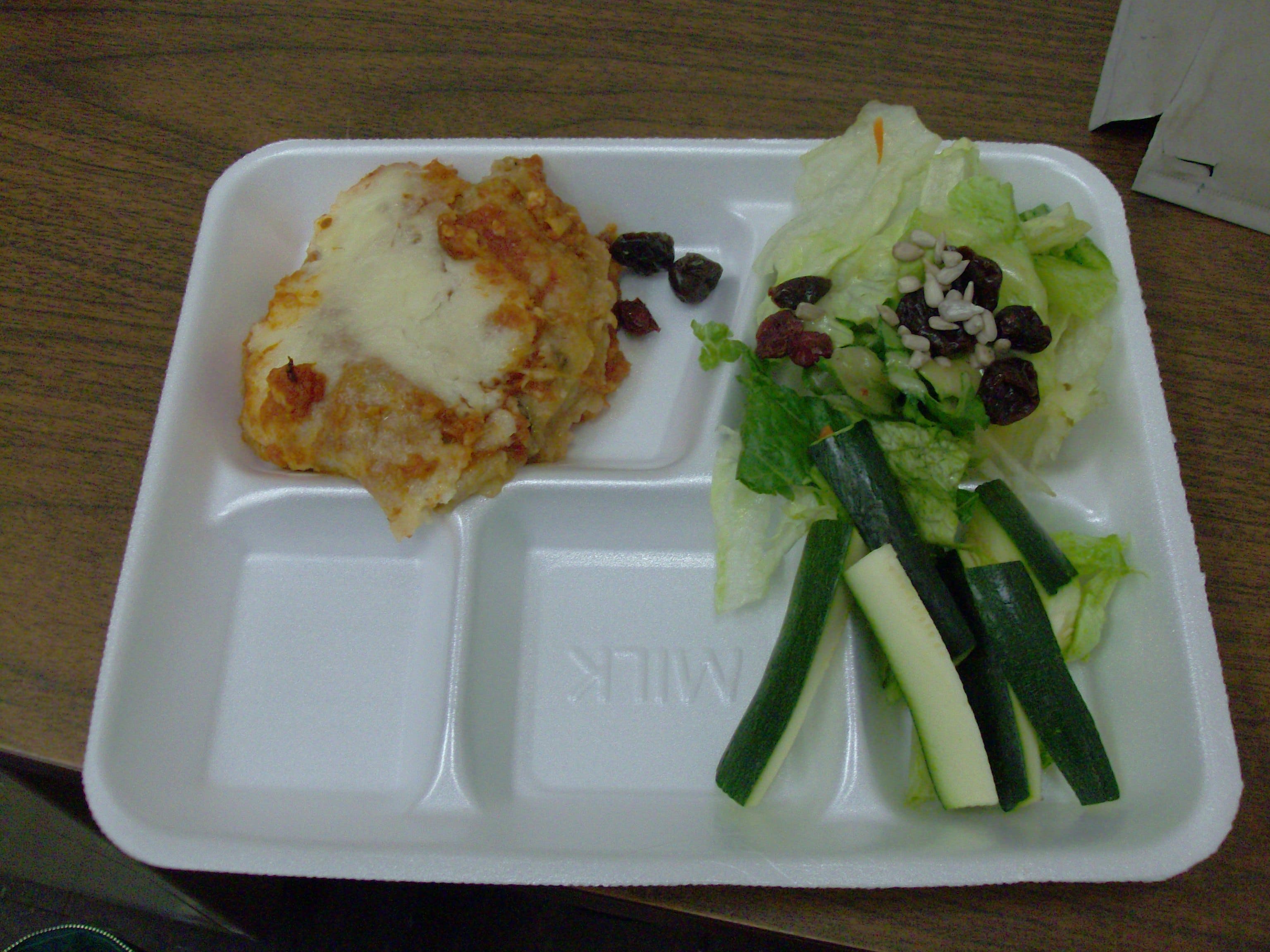


Last week, fresh zucchini, cabbage, apples and pears were all on Belmont's High School menu for the Fifth Annual Harvest Week, which highlights the Massachusetts' program that incorporates less processed foods and more fruits and vegetables from nearby farms onto the state's school trays.
Since 2004 the Massachusetts Farm-to-School Project has been building avenues for local farmers to create relationships with local schools, from elementary schools to colleges. Currently 250 educational institutions are committed to having children and young adults eat according to season and reaching the organization's goal of healthy eating while sustaining local growers.
From Sept. 27 to the Oct. 1, schools were enlisted to raise awareness of the project and increase consumption of non-processed foods.
Find out what's happening in Belmontfor free with the latest updates from Patch.
"Our goal is to increase consumption of locally grown food for the good of our children, our farms, the state economy and the environment," wrote Project Consultant Emily French in an email interview.
Paul Browne, Belmont's supervisor of school food services, welcomed Belmont Patch into the High School to sample the produce involved in the program.
Find out what's happening in Belmontfor free with the latest updates from Patch.
"The salad bar and the deli bar are more popular with the students," said Browne.
For that day, both of the above stations had zucchini sticks, a salad mix and apples that come from nearby farms.
Bulletins were hung in the cafeteria promoting fresh foods. In order to get the younger children involved, Belmont's elementary schools sponsored "color week" and the menu featured items that matched that days color, such as carrot coins for orange and celery sticks for green day.
The concept of the program, to have students eat the whole foods of their town or nearby town's farm, also coincides with the concept of eating what is in season. Like tomato, not a fruit of the winter, are sometimes tampered with in order to ripen faster.
"I'm sure you're aware that when you get tomatoes in the winter time they're gassed," said Browne.
He said that some farm groups are discussing using a hot house to grow tomatoes in the winter.
But some items like salad must come from out-of-state suppliers, especially in the winter.
The Farm to School program also entails direct delivery to the school cafeteria, currently there are about 50 participating farms.
Direct delivery sometimes pose a problem for schools in terms of budget and efficiency.
Browne noted that although he tries as much as possible to purchase locally, specifically in Belmont, other factors have to be considered.
"Our problem is trying to get the items in house," said Browne. "Like if there is a small apple orchard it's hard to supply the apples for our schools."
From a distribution and cost stand point the school tries to limit their deliveries and vendors. So Browne works with a local distribution company, Costa Fruit and Produce, for delivery of local foods.
Located in Charlestown the privately-owned company supplies an array of produce, dairy products and prepared salads to New England's food service companies, including schools.
"We try as much as possible to have local growers produce, Costa sends a list for things grown every month, and I try to incorporate that into the menu," he said.
Produce is also supplied from Lexington's Wilson Farms, Wads Berry Farm and Lanni Orchards located in Williamsburg.
The School-to-Farm program also educates youth on the agricultural history of Massachusetts through events and cooking demonstrations.
Browne said that they follow state standards when preparing lunch menus and are trying to go above that. In the future he would like to get more parents involved in the initative.
"The teachers have been keyed into it, and we need to promote it a little more to the parents," he said.
Also, administration tries other ways to get kids to eat their veggies.
"If we have celery sometimes I notice they may not be eaten. But then if we have ranch dressing on the side, they get eaten," said Browne.
He and others, like the school's dietician, have to weigh the cost of adding more calories to a child's diet in order to increase their vegetable intake.
Overall, Browne feels that the younger children appreciate the program, although the high school students are more open in trying out new foods.