Politics & Government
Conservation Commission: Mow The Meadow
Belmont allows Rock Meadow volunteer to cut land to stem invasive plant invasion.
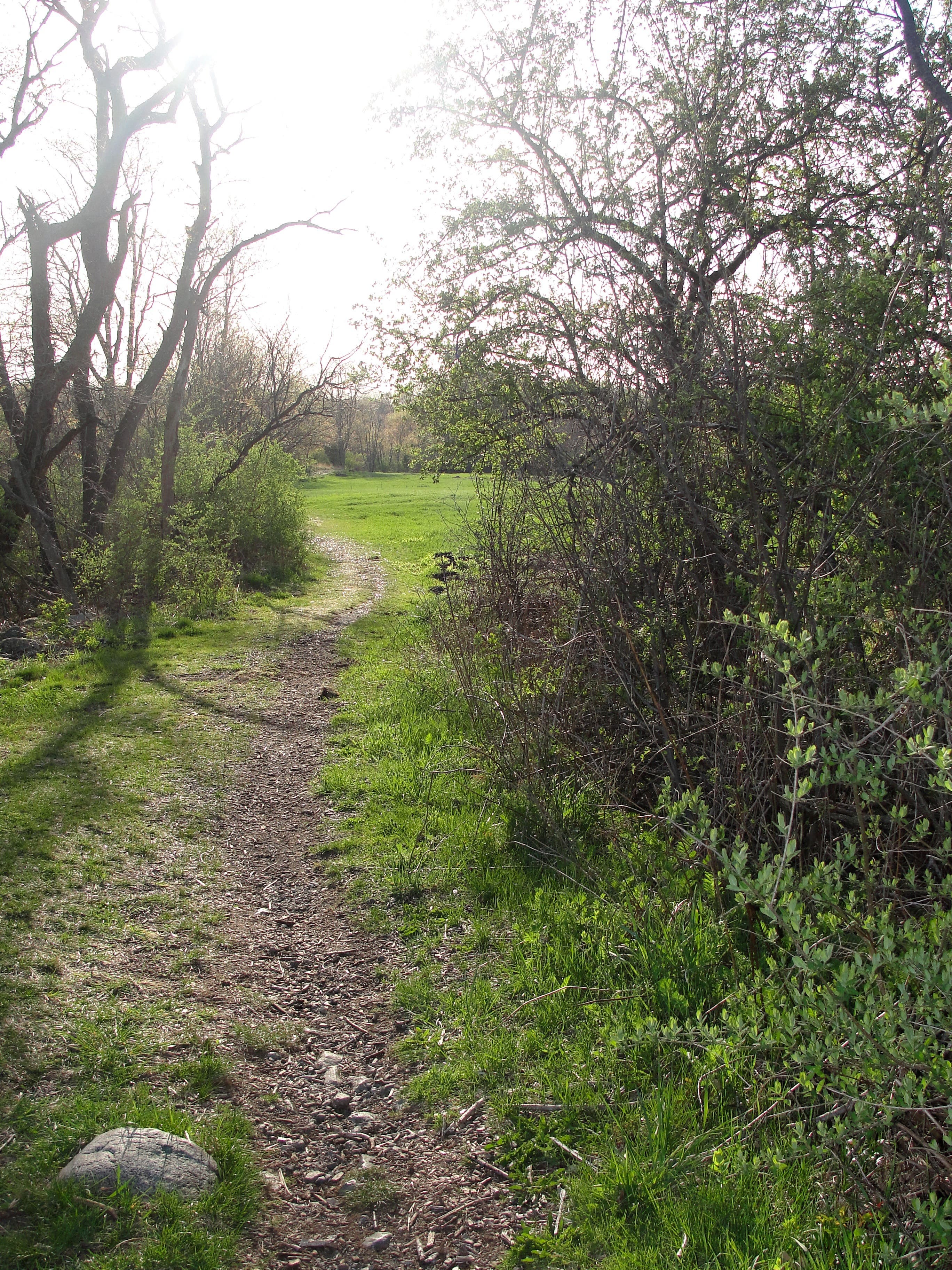


The Belmont Conservation Commission unanimously voted on Tuesday, June 29, on Joe Finn's request to assist in mowing the north section of the west meadow at the Rock Meadow Conservation Area to keep the area free from invasive plants.
Finn, a Cambridge resident and long-time volunteer who helps maintain Rock Meadow, told commission members that the meadow is a "mess" due to several land growths including a disease of leaves and an alien plant called a Vicia cracca, commonly known as tufted vetch or cow patch native to Europe and Asia.
The plant, which can reach a long length with purple-colored flowers, sends out noose-like tendrils from the tip of its leaves when it contacts another plant and securely fastens itself. This can create a strangling of smaller plants and Finn believes mowing it as soon as possible will help keep it in check.
Find out what's happening in Belmontfor free with the latest updates from Patch.
"It looks widespread to the naked eye and overwhelms the grass," Finn said, adding that mowing it about two times might mitigate its growth.
Owned by the town since 1969, Rock Meadow Conservation Area is located less than two minutes from Beaver Brook Reservation on Mill Street.
Find out what's happening in Belmontfor free with the latest updates from Patch.
The land is comprised of 70 acres of undulating meadows, wetlands, streams and woods. The state has designated the area as important grassland and a natural habitat for plants and animals that have been forced from former farmland.
Rock Meadow offers hiking, birding, biking, picnicking and wandering opportunities. The area is also the home of Belmont's community gardens. Some contend the area resembles meadows in the south of England.
Finn later explained that Vicia cracca is fast-growing and flowers prolifically, sending out one-sided racemes of cascading pea-flower shaped purple to violet flowers from the leaf axil during its late spring to late summer flowering period. In August, the flowers drop off and tiny bright green seed pods start to form.
"Mowing has more benefits than drawbacks," Finn said, in reference to the disturbance cutting may have in the meadow.
'I believe there are widespread problems that would compel mowing despite concerns about nesting," said Finn.
Last year, he said, he mowed the area twice and, while the tufted vetch looks just as healthy this year, it has been reduced a bit in the grass.
When the tufted vetch goes to seed, said Commissioner James Roth, it becomes a "hopeless cause."
"It grows faster than the grass does and mowing it might very well promote its growth," he said.
But Finn pointed out that the area where it was bleeding out last year seems a bit reduced after he mowed it several times.
The plant, said Martha Moore, does not have any natural enemies in this area because it originated in Asia.
She and other members of the commission encouraged Finn to mow it as soon as possible in hopes that he will get to it before it seeds and lessen the impact of it spreading more in the meadow.