Politics & Government
'High' Threat Level of West Nile Virus in Belmont
Residents should apply mosquito repellant and dressing appropriately, said Belmont Health officials.


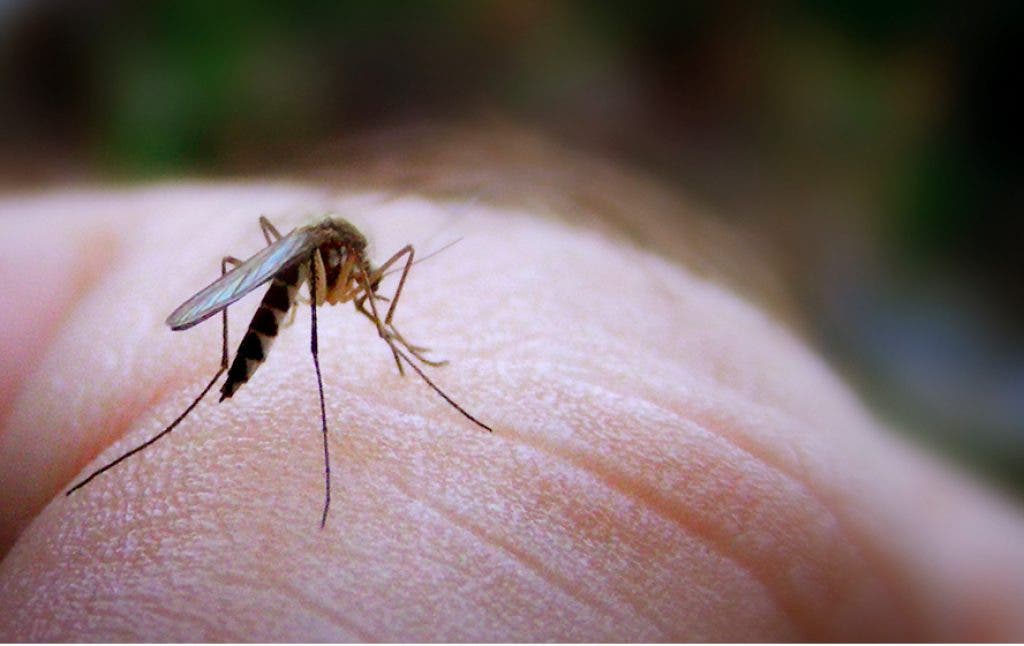
The threat level of Belmont residents to contacting the West Nile virus has been raised by "high" by the Massachusetts Department of Public Health after it announced Thursday afternoon, Aug. 23, that a second human case of West Nile virus has been confirmed in Middlesex County.
In addition to the elevated condition in Belmont, the nearby communities of Arlington, Boston, Brookline, Cambridge, Somerville and Watertown have been raised to a “high” threat level.
"While the risk level for WNV has been raised from moderate to high in ... surrounding communities, no curtailment or cancellation of evening activities is necessary at this time, according to DPH," said Stefan Russakow, Belmont's director of health.
Find out what's happening in Belmontfor free with the latest updates from Patch.
"Residents should be extra attentive to applying mosquito repellant and dressing appropriately and following the precautions in this and previous notices from the Belmont Health Department," Russakow advised.
For further information, residents should call the Belmont Health Department at 617-993-2720.
Find out what's happening in Belmontfor free with the latest updates from Patch.
Cases of West Nile virus have exploded across the country with nearly all states reporting cases. In Texas, the virus has lead to the deaths of nearly two dozen people and prompted aggressive spraying campaigns in and around Dallas.
The DPH announced that a Cambridge man in his 70s was hospitalized this week. The first human case of WNV this year was confirmed in another Middlesex County resident on August 15.
“Today’s announcement is a compelling indicator that the threat of mosquito-borne illness is widespread, and people should continue taking simple, common-sense steps to protect themselves and their families against mosquito bites,” said DPH Commissioner John Auerbach.
“Use insect repellant, cover exposed skin, and avoid outdoor activities at dusk and after nightfall when mosquitoes are their most active,” he said.
Health officials also announced today that a diagnosis of Eastern Equine Encephalitis (EEE) has been confirmed in a horse stabled in the Georgetown and in an alpaca stabled in Halifax.
Get more local news delivered straight to your inbox. Sign up for free Patch newsletters and alerts.