Politics & Government
ACLU Files Lawsuit Against Boston Police For Access To Gang Data
The civil rights group says allegations of gang involvement are being used against youth in immigration court.


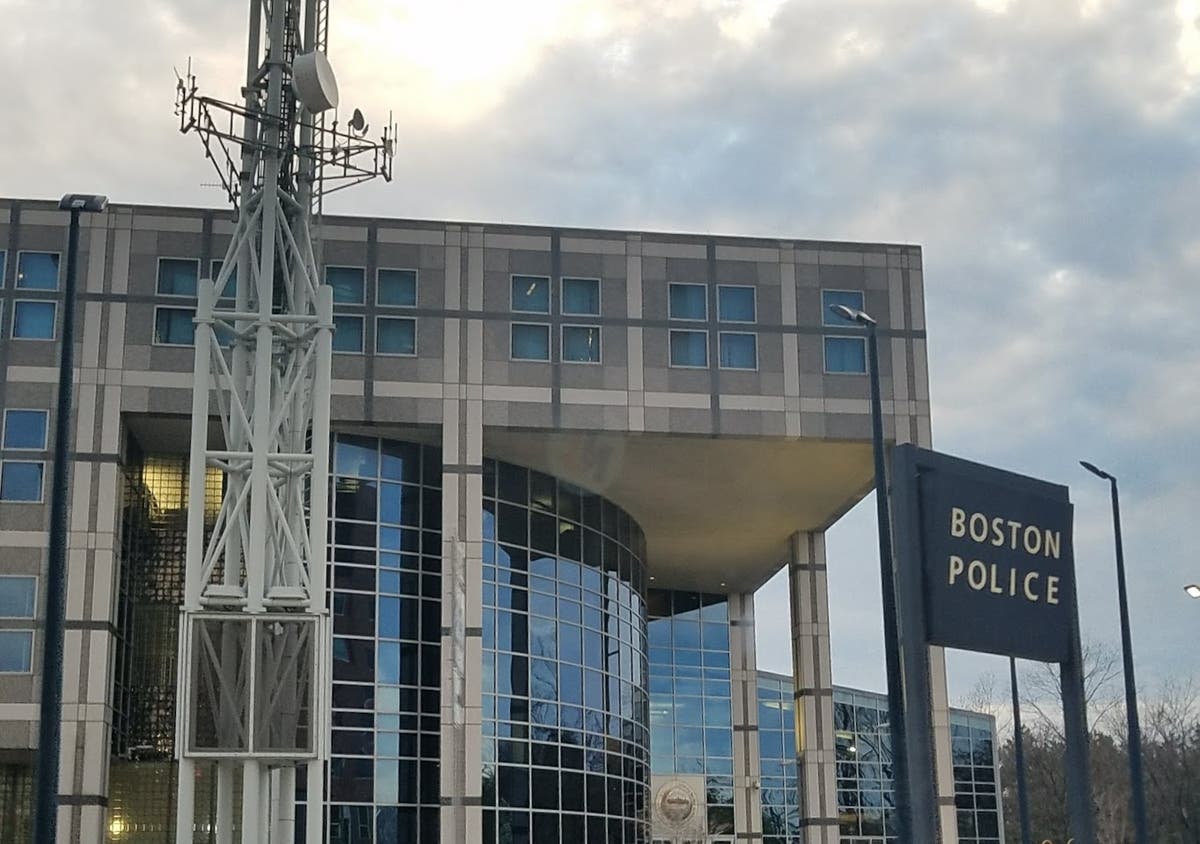
BOSTON, MA — The ACLU announced Thursday it was suing the Boston Police Department for information about what it called a secretive "gang database."
"In Boston, we call our city a sanctuary for immigrants, but behind the scenes, under cover of secrecy, local law enforcement profiling systems allow young people to be targeted and deported – even when they haven’t been suspected of engaging in criminal activity," wrote the ACLU in a press release.
The ACLU and about a dozen other groups originally filed a public records request in May. Unsatisfied with the response from police and the city, the ACLU decided to take the department to court.
Find out what's happening in Bostonfor free with the latest updates from Patch.
Together with a coalition of legal services and civil rights groups, the ACLU filed a lawsuit seeking information about the police department’s “gang database.”
This comes after civil rights advocates filed a lawsuit demanding the Boston Public Schools hand over documents they say led to the deportation of a Boston High School student earlier this year.
Find out what's happening in Bostonfor free with the latest updates from Patch.
The ACLU said too little is known about the police system of labeling, tracking, and sharing information about young people purported to be involved in gangs.
"Being labeled as a gang member can have catastrophic consequences for a young person’s life, including being targeted for surveillance and police stops, facing harsher outcomes in the criminal legal system, and – for non citizen youth – being detained and deported by U.S. Immigration and Customs Enforcement (ICE)," the ACLU wrote in a release on its website.
“In Boston, we call our city a sanctuary for immigrants, but behind the scenes, under cover of secrecy, local law enforcement profiling systems allow young people to be targeted and deported – even when they haven’t been suspected of engaging in criminal activity,” said Carol Rose, executive director of the ACLU of Massachusetts in the release. “We hope this public records lawsuit is just the first step towards aligning the intelligence practices of the Boston Police Department with the City’s stated commitment to fight racism and protect immigrant communities.”
The ACLU argues the public has a right to know basic information about how police use the system, including demographic information on the people alleged to be gang members; its accuracy and effectiveness at lowering violent crime rates; whether and how people designated as gang members can challenge their inclusion in the database; and ICE access to gang allegations made by police or school employees.
The police use a point system to determine whether to include someone in the so-called Gang Assessment Database.
The point system makes it possible to designate “gang affiliation” without any allegation of violence or criminal activity. For example, one youth who is currently detained accumulated “points” based entirely on instances in which the police or school police reported that he was with other young people who they allege to be gang members, according to the ACLU.
“The Boston Police Department and BRIC, as most law enforcement agencies, have assumed almost unlimited powers to monitor and label members of our society,” said Urszula Masny-Latos, executive director of the National Lawyers Guild, Massachusetts Chapter, one of the groups that filed. “The consequences of this monitoring and labeling could be catastrophic on people's pursuance of education, employment, or even housing.”
Police have said they are exempt from turning over certain information, such as how gang members are identified and what type of information is given to school resource officers.
Patch has reached out to the department for further comment.
Sign up for the free newsletter and get more breaking Boston news and news alerts like this direct to your inbox. Did we mention it was free?
Got something to add?
Sign up to post to Patch and tell your neighbors what's going on in town. Post anything from calendar events to a column about a need in your neighborhood to a public meeting folks should know about. Our philosophy is the more neighborhood watchers the better.
Photo by Jenna Fisher/Patch Staff
Get more local news delivered straight to your inbox. Sign up for free Patch newsletters and alerts.