Community Corner
Amid Global Tension, a Return to the Body Offers Relief
Amid constant stress & noise, body-based practices like Rolfing help release tension, restore balance, & reconnect you with a grounded self
This is a paid post contributed by a Patch Community Partner. The views expressed in this post are the author's own, and the information presented has not been verified by Patch.
In times of war and constant global tension, many people feel their nervous systems pulled in multiple directions. Social media keeps us continually exposed to images, opinions, and breaking news, often leaving the body in a persistent state of alert. While the mind tries to process it all, the body quietly carries the weight—tight shoulders, shallow breathing, fatigue, and a subtle sense of disconnection from ourselves.
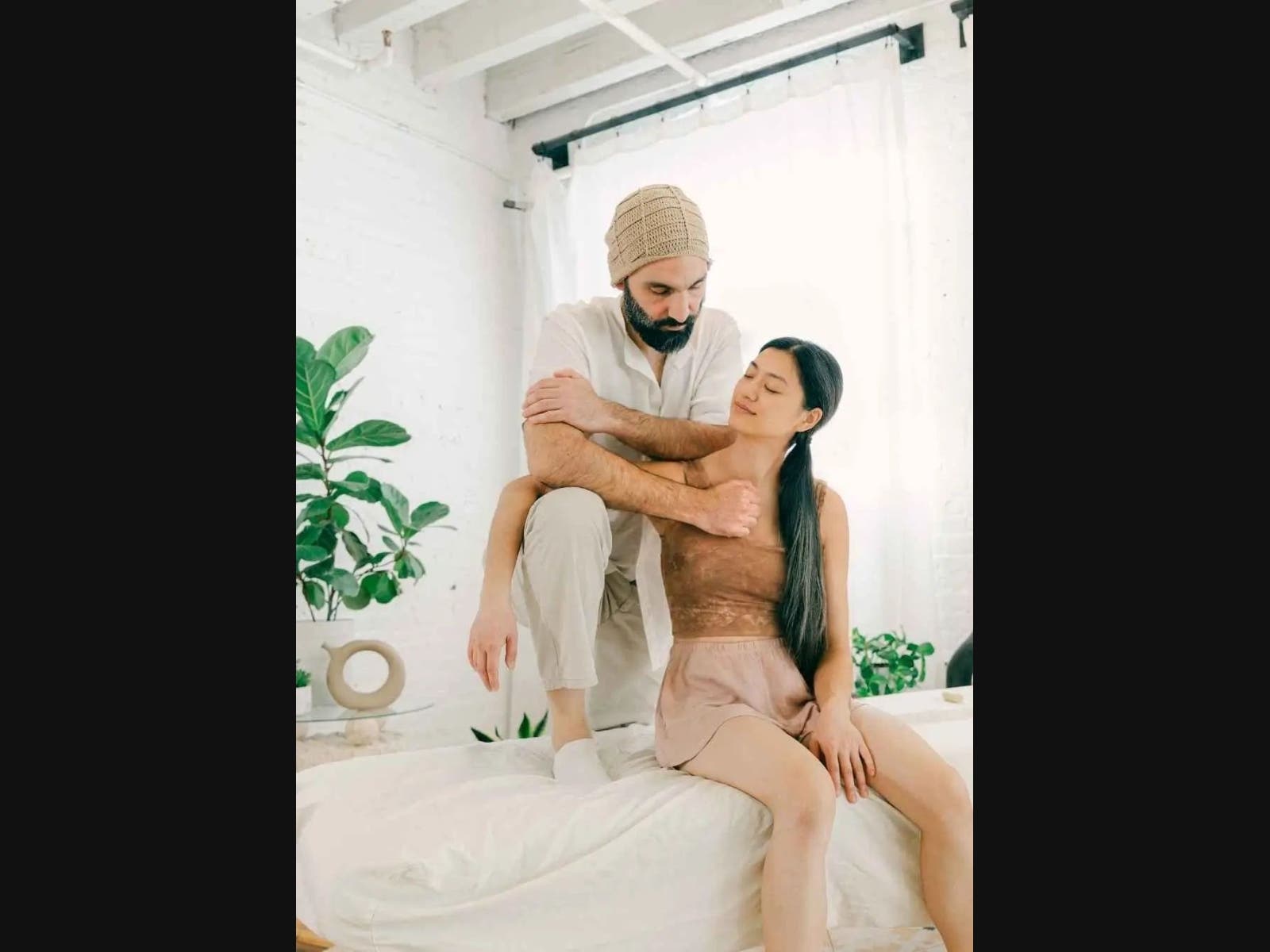
One way to restore balance is by returning attention to the body. The Rolf Method of Structural Integration, combined with skilled myofascial release, offers a direct path back into physical presence. Rather than focusing only on symptoms, this work engages the body’s fascial network—the connective tissue that organizes posture, movement, and structural support. Through precise hands-on work, the body can release long-held tension patterns that accumulate during periods of chronic stress and anxiety.
For many people, the experience of structural work is deeply grounding. As fascial restrictions soften and the body begins to align more naturally with gravity, breathing often deepens and movement becomes easier. These physical shifts can also calm the nervous system, helping the mind step away from the constant stream of digital stimulation and reconnect with a slower, more embodied rhythm.
Boston practitioner Joel Gheiler, a Guild Certified Structural Integration practitioner, has been working in the Back Bay area since 2010. Through his practice, Boston Rolf, he helps clients reconnect with their bodies using the original Rolf Method developed by Dr. Ida Rolf, the creator of Rolfing, along with refined myofascial release techniques that address both structure and sensation.

Joel also brings a deeply personal understanding of anxiety and stress to his work. He grew up in the West Bank, a region shaped by decades of conflict and uncertainty. Living in that environment meant growing up with a constant awareness of tension and unpredictability—experiences that can leave lasting imprints on the body and nervous system.
Because of this background, Joel approaches structural work with sensitivity to how stress lives within the body. Posture, breathing, and movement are not only mechanical patterns but also reflections of our lived experience. When the body becomes more organized and supported, many people find that their sense of calm and resilience begins to grow as well.
In an era when social media can amplify fear and anxiety around global events, practices that reconnect us to physical experience are increasingly valuable. Structural Integration and myofascial release offer a way to step out of the constant flow of information and return to something immediate and real—the feeling of your feet on the ground, the ease of a full breath, and the stability of a body that feels more at home within itself.
This post is an advertorial piece contributed by a Patch Community Partner, a local brand partner. To learn more, click here.