Neighbor News
Boston Foundation Announces $5 Million Grant to Create New Center for Shared Society in Haifa
Frieze Family Foundation's gift launches University of Haifa's $60 million Home Again campaign to rebuild northern Israel after war
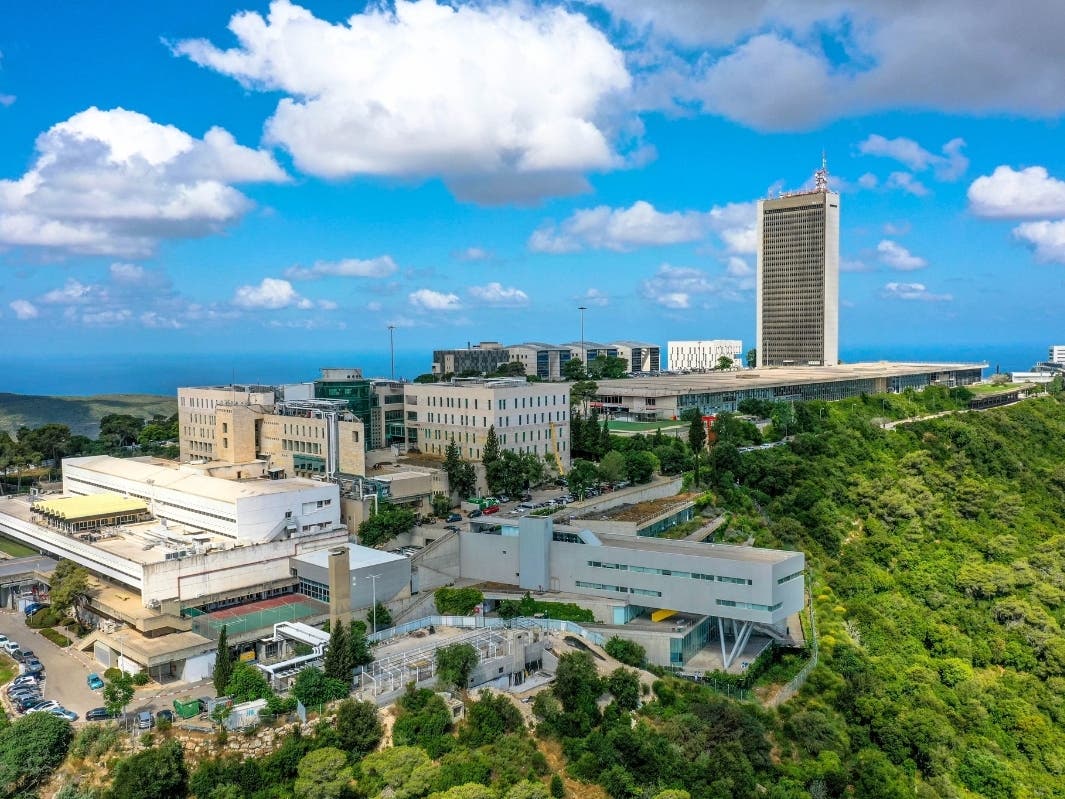
The Frieze Family Foundation, a Boston-based philanthropic leader in regional development and shared society initiatives, has committed $5 million to establish a new Center for Shared Society at the University of Haifa.
Longtime champions of Israeli education, regional development and shared society, the Friezes' gift will establish a dedicated center focused on learning, research and advocacy, and engagement initiatives that bring Jewish and Arab residents together - directly supporting the campaign's mission to restore social cohesion and strengthen community bonds across the North.
The transformational gift coincides with the University’s newly launched $60 million Home Again campaign, a bold initiative to restore and revitalize northern Israel following the devastation of war. The campaign's focus on community building is exemplified by the commitment from the Frieze Family Foundation.
Find out what's happening in Bostonfor free with the latest updates from Patch.
"The Frieze Family Foundation’s commitment to establishing a Center for Shared Society exemplifies the kind of partnership that makes this campaign possible," said Gideon Herscher, Vice President for Transformational Philanthropy and Global Resource Development at University of Haifa. "It's about restoring hope, stability, and opportunity in a region that has absorbed unimaginable strain. Every program, every partnership, and every donor makes a difference in the lives of those determined to come home and move forward."
Originally conceived to address the cascading crises that began on October 7, the Home Again campaign has taken on even greater urgency following direct missile strikes on Haifa and surrounding areas in recent weeks. The devastation has brought mass displacement, overwhelmed public services, and deepened strain on communities already struggling to recover from months of conflict. The campaign now represents not just regional recovery, but a cornerstone of Israel's national resilience strategy for the post-conflict era.
Find out what's happening in Bostonfor free with the latest updates from Patch.
"In this moment of national crisis, when Israel's northern communities have been tested like never before, University of Haifa is stepping forward to turn trauma into transformation," said University of Haifa President Prof. Gur Alroey. "What was already a crucial mission of recovery after October 7 has become an existential imperative following the devastation of recent weeks. We are not just restoring what was lost, we are building the foundation for Israel's long-term future—something stronger, more resilient, and more just."
In the aftermath of October 7, Hezbollah rockets devastated northern towns, triggering the largest internal displacement in Israel in decades. More than 68,000 people—families, farmers, seniors—became refugees in their own country. Today, less than half have returned home.
As Iranian long-range missiles threatened the North, communities faced not just a security crisis but a comprehensive breakdown in public health, education, employment, and social cohesion. In rural and peripheral areas, rehabilitation beds are scarce, mental health services are overwhelmed, and economic life has ground to a halt.
The Home Again campaign offers a coordinated, data-informed strategy, anchored in real-time research, local partnerships, and measurable programs across three core pillars — 1. Emotional and Physical Rehabilitation; 2. Restoring Economic Stability and Regional Capacity; 3. Investing in Community Futures
University of Haifa, long recognized for its leadership in social impact, environmental research, and inclusive education, sees this campaign as a natural extension of its mission. Amid the most recent destruction to northern Israel, the University is committed to serving not only as an academic institution, but as a driving force for recovery and renewal in one of the country's most vulnerable and strategically vital regions. The Home Again campaign will serve as the blueprint for Israel's long-term rebuilding strategy—ensuring that the recent devastation becomes the foundation for a more resilient nation.