Neighbor News
A New England-Inspired Change to Engineering Education
Academic leaders from Israel toured New England as part of a process to bolster the country's high-tech sector, with takeaways for the U.S.
As one of the most-distressed sectors during the COVID-19 pandemic, higher education is still reeling from the disruption of this era. The National Student Clearinghouse Research Center revealed earlier this year that total postsecondary enrollment in the U.S. decreased by 4.1% in spring 2022 compared to spring 2021.
Simultaneously, the industries served by colleges and universities are also undergoing defining challenges. This is particularly true in engineering, as the Bureau of Labor Statistics projects that the shortage of engineers in the U.S. will exceed 1.2 million by 2026. A shortage of engineers, by consequence, will mean a shortage of employees across America’s technology-related professions.
Israel is no stranger to this dilemma. The country’s State Comptroller Matanyahu Engelman issued a report in 2021 which found that there were 18,500 vacant positions in the Israeli high-tech industry, resulting from a shortage of skilled higher education graduates with training in engineering and computer science.
Find out what's happening in Bostonfor free with the latest updates from Patch.
Against the backdrop of this environment, Afeka – Tel Aviv Academic College of Engineering set out to transform its curriculum for the purpose of maintaining and even growing the school’s ability to meet industry needs. As part of this process, Afeka not only conducted survey research in its home country of Israel, but also assessed the landscape in New England.
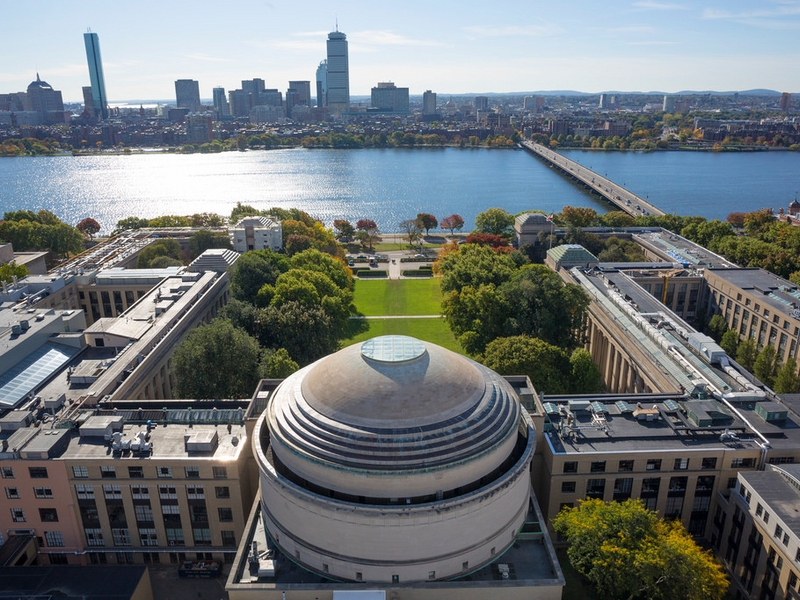
Seeking to learn what was being done at the highest-ranked engineering institutes globally, Afeka’s academic management visited Harvard University, Massachusetts Institute of Technology, Worcester Polytechnic Institute, Northeastern University, and Olin College of Engineering.
Find out what's happening in Bostonfor free with the latest updates from Patch.
“We learned in New England that there seems to be a consensus among leaders in engineering education that there is a need for engineers with ‘soft’ skills in the industry,” said Prof. Ami Moyal, President of Afeka College. “Beyond applying knowledge to novel problems — often within new emerging fields — engineers must also be able to self-learn, think critically and innovatively, work well in multidisciplinary teams and be able to communicate their ideas effectively. This is something a survey we conducted among the Israeli high-tech industry made clear, as did the U.S. and global reports we consulted. During our time in New England, it was also clear that this understanding existed within the academic institutes we visited.”
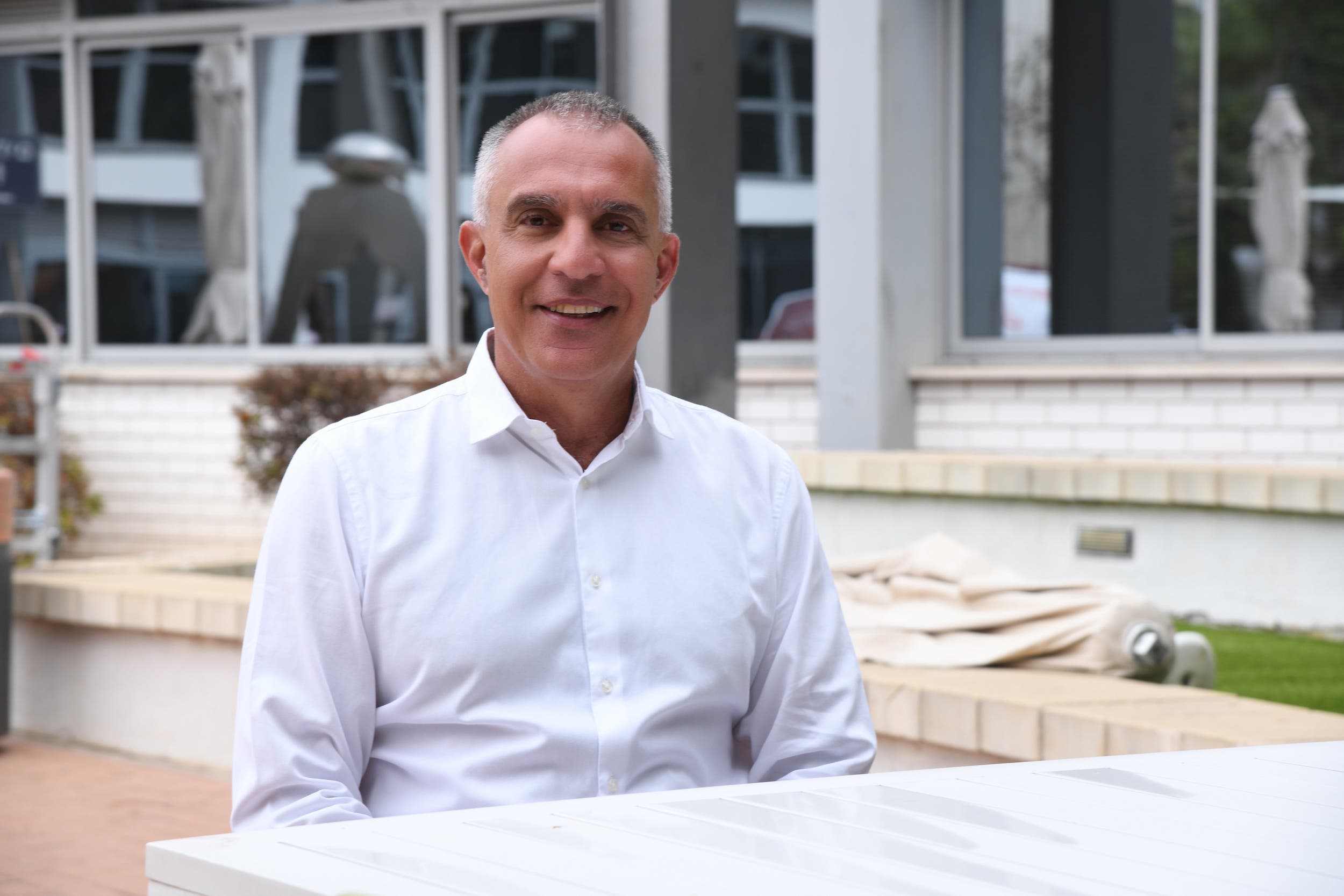
According to Moyal, each institute in New England chose a working point on the spectrum between imparting knowledge only and imparting soft skills in addition to knowledge — one that is compatible with its institutional vision and strategy. Some felt that personal skills should be gained in the workforce, and that imparting them is not academia’s responsibility. Others found that forming strong industry-academia collaborations — such as providing co-op opportunities for students — was best for them. Some decided to update pedagogy by implementing project-based learning where possible, so that students can attain skills while learning; others felt that these skills are more easily developed though participation in extracurricular activities.
“After absorbing these different perspectives, we understood that Afeka is in a unique position,” Moyal explained. “Because we are a relatively small academic institute dedicated solely to engineering, we can take a holistic approach to transforming engineering education through many channels at once. And that is what we did.”
The Israeli college began its transformation process by redefining the desired attributes of an Afeka graduate and producing a “graduate profile” — the collection of all the knowledge, professional skills, personal skills, and ethics that engineering graduates need to succeed in the workforce.
While applying its new curriculum and transforming the educational process both in and out of the classroom, Afeka’s student body grew at an average rate of 9% annually over a period of five years, yielding an approximately 45% total increase in enrollment. Two years ago, the college reached its strategic goal with regard to enrollment and has since halted growth efforts. But it is still facing increasing demand from potential applicants. Further, a recent survey among Afeka alumni shows that 97% of its graduates are employed, and that more than 60% are working in research and development positions.
Today, Moyal believes that the U.S. and Israel face several common challenges when it comes to engineering education — including the gap between the personal skills industry needs from new engineers and the actual skill level that junior engineers have when entering the workforce, the declining relevance of higher education, and the shortage of engineers in a STEM-based economy. At the same time, one challenge that he sees as more prominent in Israel pertains to the country’s reputation as the “start-up nation.”
“In Israel, there are many start-up companies in relation to the size of the population,” he said. “The qualities needed of an engineer working for a start-up company are different than those needed from an engineer working for large established companies. This puts a lot of emphasis on skills such as emotional resilience that are required from junior engineers entering the workforce.”
Moving forward, he said that academic institutions in New England and throughout the U.S. can take note of how Afeka implemented change by “making a top-down decision to carry out a strategic institutional transformation across the entire college that included building many platforms and activities at once, while other institutes may have chosen only one or two platforms to run with.”
“The bottom line,” said Moyal, “is that I believe that any academic institute which has experience with leading change in an educational process under unpredictable circumstances — at whatever level — should share that experience, as well as insights gained from it, with other academic institutes so that we can all learn from each other and help maintain the overall relevance of higher education.”