Neighbor News
At Northeastern and Harvard, Mobile Mental Health Vans Support Students Amid Rising Antisemitism
New Boston-based initiative brings walk-up therapy vans to campus, offering free, culturally sensitive support as students return to school
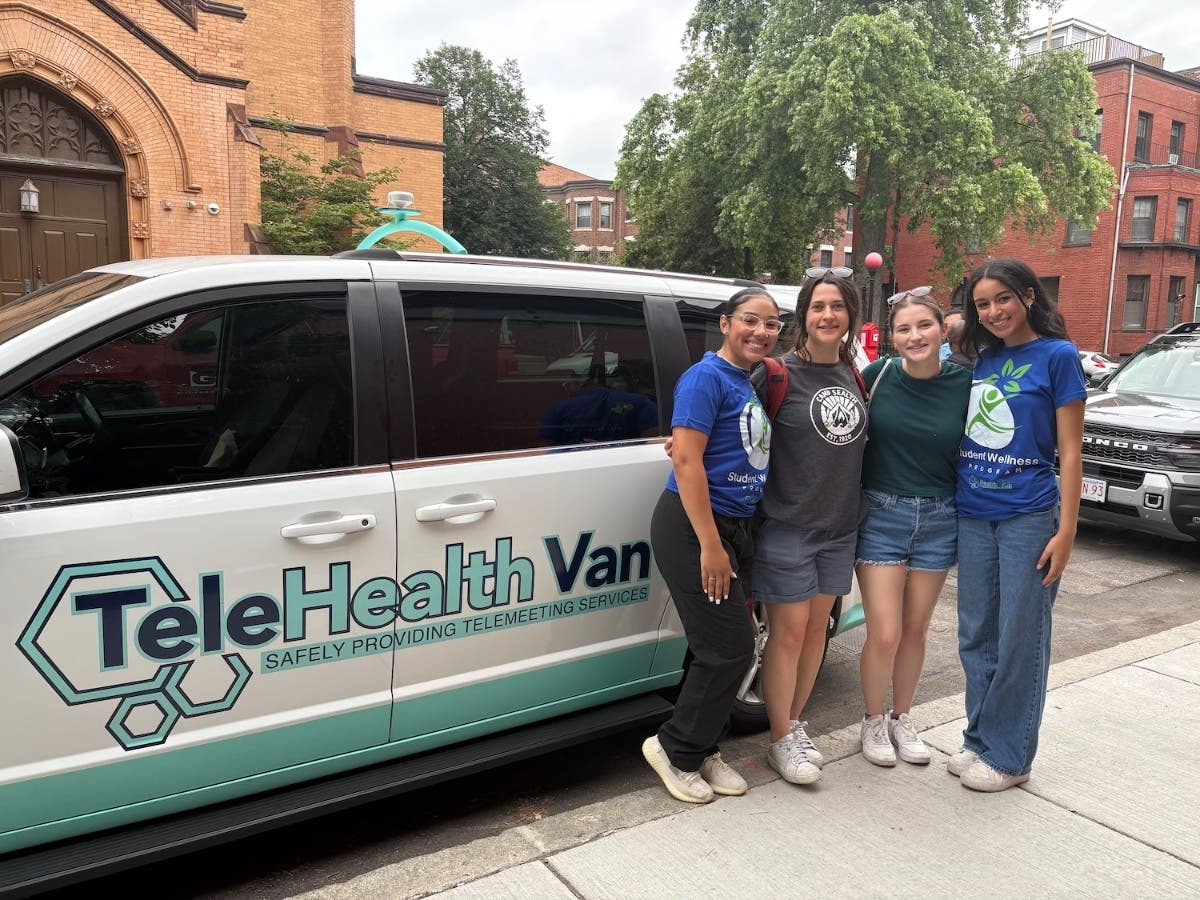
As students return to campuses across the Greater Boston area and the nation, many are contending with increasing mental health challenges — compounded by a dramatic rise in antisemitism on college campuses. In response, a new locally based initiative is taking a highly visible and hands-on approach: deploying mobile therapy vans to the heart of two of Boston’s most prominent universities.
Launched this week by the Boston-based Ruderman Family Foundation in partnership with TeleHealth Van, the Student Wellness Program delivers free, walk-up mental health care directly to students at Northeastern University and Harvard University. The goal is to offer accessible, culturally sensitive support, particularly as Jewish students and others navigate emotional fallout from recent campus tensions.
.jpg)
Find out what's happening in Bostonfor free with the latest updates from Patch.
Local Roots, Urgent Need
A pilot version of the program had already been operating at Northeastern University in recent weeks, where the administration formally embraced the initiative. But the initiative was officially launched this week on the Harvard University campus, with services now also available to students through the support of Harvard Chabad. Additional students across the Boston metro area will be able to access services either in person or virtually in the weeks ahead, expanding the program's reach beyond these two flagship campuses.
The launch comes amid growing concern across Massachusetts and beyond about the state of campus mental health. According to Hillel International, antisemitic incidents against Jewish students rose by 700% from 2022 to 2023 following the October 7 Hamas attack. The Anti-Defamation League also reported a record number of antisemitic incidents on U.S. campuses, with 73% of Jewish students having experienced or witnessed antisemitism.
Find out what's happening in Bostonfor free with the latest updates from Patch.
“Students today face a heightened struggle in mental health, and the barriers to care are only getting steeper,” said Jay Ruderman, President of the Ruderman Family Foundation. “Our Student Wellness Program eliminates those barriers — offering students accessible, culturally sensitive therapy right where they live and study. At a time of rising antisemitism, we’re proud to stand with Jewish students and ensure they feel seen, supported, and safe.”
What the Program Offers
Each of the two mobile wellness vans is equipped to provide 20 private therapy sessions per day, totaling up to 400 sessions per month, and offers:
- On-site, walk-up access with no appointments required
- Fully private interior treatment spaces
- Licensed clinicians, many with experience in higher education
- Culturally competent care, including options for Hebrew-speaking students
- Year-round availability, including evenings and school breaks
The vans are strategically parked near Hillel houses and student centers on campus, providing direct and immediate access. At Northeastern, services are currently offered Monday through Friday with extended evening hours, while at Harvard, the program operates weekly on Tuesdays.
.jpg)
Building on Boston-Based Expertise
The initiative builds on the Ruderman Foundation’s deep footprint in the Greater Boston mental health ecosystem. The Foundation funds training for campus counselors via the Chaplaincy Innovation Lab at Brandeis University, sponsors fellowships for behavioral health at William James College, and has partnered with Boston University to improve mental health-related leave-of-absence policies for students.
Therapists for the Student Wellness Program were carefully selected by the TeleHealth Van team, with a focus on recruiting experienced, licensed clinical social workers who bring a deep understanding of student populations and the unique mental health challenges they face.
For more information about the program, visit studentwellnessprogram.org