Neighbor News
Q&A with Mary Morris, MD, PhD of Boston IVF on Ovarian Cancer and PCOS Awareness Month
As September marks Ovarian Cancer and PCOS Awareness Month , we sat down to explore the connection between ovarian health and fertility.
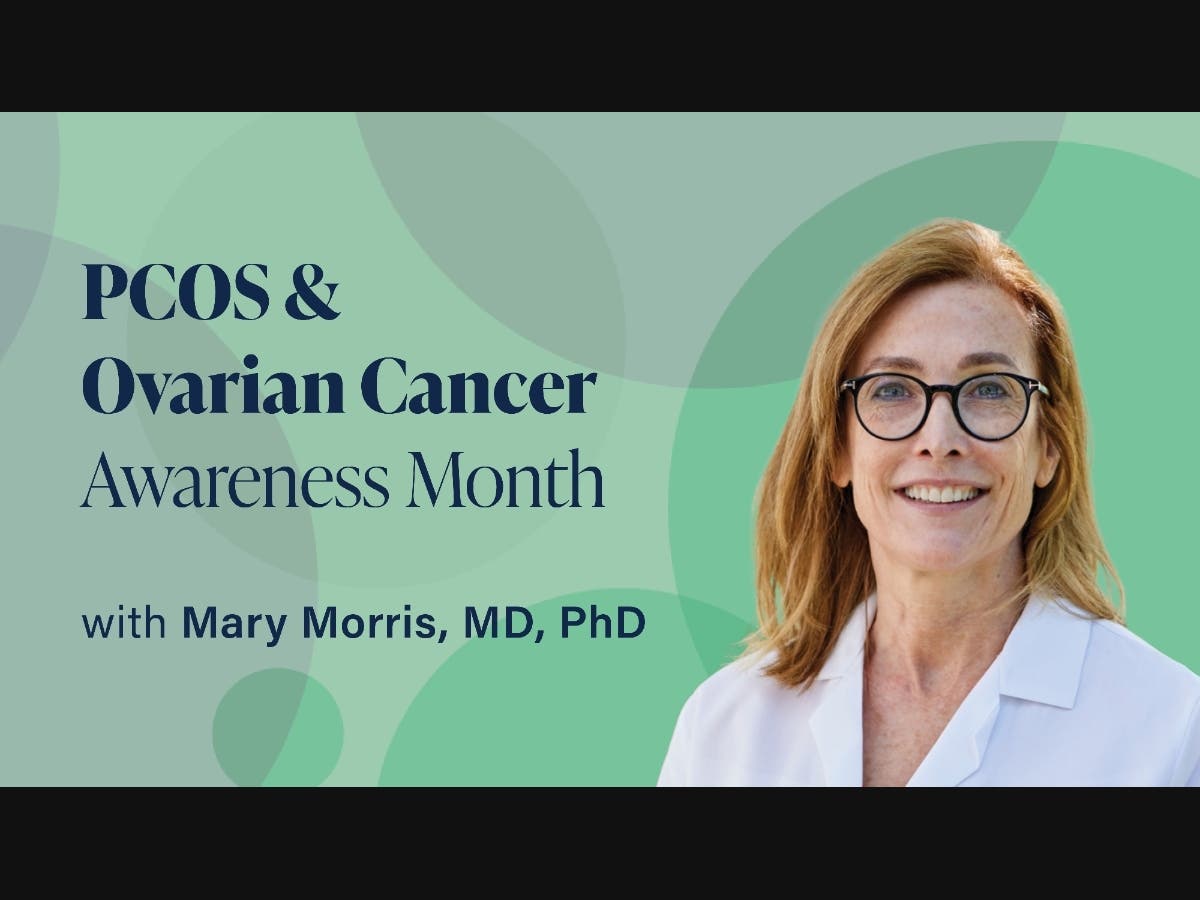
September marks two important awareness campaigns: Ovarian Cancer Awareness Month and Polycystic Ovary Syndrome (PCOS) Awareness Month. Both conditions profoundly impact reproductive health, yet are often misunderstood or overlooked. To explore the connection between ovarian health and fertility, we sat down with Mary Morris, MD, PhD, a reproductive endocrinologist at Boston IVF and co-director of its nationally recognized Oncofertility Program.
What would you like most people to understand about ovarian health and fertility?
Many people seek ovarian reserve testing to understand their fertility, but one’s ovarian reserve - or number of remaining eggs - is not a sole indicator of one’s ability to become pregnant. Ovarian reserve testing is best at predicting your response to fertility treatments, not your ability to conceive naturally. If you are less than 35 years old and are trying to get pregnant and have not conceived within one year, you should see a reproductive endocrinologist. If you are 35 or older, you should seek help after six months of trying. Anyone over 40 should immediately seek an evaluation when they are considering conception.
Find out what's happening in Bostonfor free with the latest updates from Patch.
How does PCOS impact ovarian health and long-term fertility outcomes? What should patients know about early diagnosis?
PCOS is the most common endocrine disorder of reproductive-aged women. It is diagnosed when two of three of the following are observed: menstrual irregularity/infrequent menses, evidence of hyperandrogenism (physically evidenced by excess hair growth, acne or by laboratory studies), and/or identification of polycystic ovaries by ultrasound. Individuals with PCOS often face challenges when trying to conceive and are at higher risk of pregnancy complications such as early pregnancy loss, hypertensive disorders of pregnancy and gestation diabetes. Fortunately, many of these risks can be reduced through preventive care and effective treatments offered by fertility specialists. Even before trying to conceive, it's important for individuals with PCOS to address existing health issues, such as high blood pressure and diabetes. Managing these conditions beforehand can improve outcomes.
Find out what's happening in Bostonfor free with the latest updates from Patch.
What early signs of ovarian dysfunction should people be aware of, especially those trying to conceive?
There are several causes of ovarian dysfunction or irregular menses, many of which are treatable. For example, undiagnosed thyroid disease can result in menstrual irregularity and difficulty with conceiving. There are other causes such as elevated prolactin, PCOS, and primary ovarian insufficiency. If your menses are not regular, (25-35 days), you should seek out an appointment with a reproductive endocrinologist.
What is the most common question ovarian cancer patients have for reproductive endocrinologists?
The most common question I receive from patients is, “Can I still get pregnant after surgery?”
The answer depends on the stage of the cancer and treatment plan. In some early-stage cases, fertility sparing surgery may be an option. For example, if cancer is only found on one ovary, it may be possible to keep the other ovary, fallopian tube, and uterus. Once childbearing is complete, definitive surgery can then be performed to remove the remaining reproductive organs to protect against cancer.
In addition to surgical options, fertility preservation like egg or embryo freezing may be available either before chemotherapy or, in some cases, after surgery. A reproductive endocrinologist can work alongside an oncologist to help patients understand their options and make informed decisions about their family-building goals.
How can healthcare providers better support patients with conditions like PCOS in understanding their long-term reproductive health risks?
Healthcare providers play a key role in empowering patients with knowledge and support.
Individuals with a uterus experiencing pelvic pain or painful menses should be encouraged to speak with their gynecologist about potential underlying causes. For instance, irregular menstrual cycles can stem from various conditions, with PCOS being one of the most common.
The good news is that with early intervention and the right care team, many people are able to overcome these kinds of family building challenges. Fertility experts and reproductive endocrinologists help thousands of people each year build the families they once feared were out of reach—proving that with the right care, hope and possibility go hand in hand.
Mary Morris, MD, PhD
https://www.bostonivf.com/phys...
Reproductive Endocrinologist & Co-Director Oncofertility Program, Boston IVF