Home & Garden
Massachusetts Weather Forecast: Single-Digit Temperatures on Tap for 'Unseasonably Cold' Weekend
Unseasonably cold in early December means wind chills in the single digits.


December is known to be cold, so when the National Weather Service warns this weekend will be "unseasonably cold," you better do more than put on another pair of socks.
The NWS says a cold front this week from the northwest will freeze Massachusetts this weekend into early next week. High temperatures will barely be above freezing while low temperatures, factoring in wind chill, will be in the single digits.
The temperatures will start to dip late Saturday and plummet Sunday and Monday.
Find out what's happening in Bostonfor free with the latest updates from Patch.
Turning colder over the weekend into early next week; highs barely above the freezing mark; wind chills at time in the single digits, teens pic.twitter.com/3y3nM5Yyym
— NWS Boston (@NWSBoston) December 7, 2016
Read also: Polar Vortex May Return this Winter
Meanwhile, there was some light snow once again, with most of the damage being done well west of Boston.
Find out what's happening in Bostonfor free with the latest updates from Patch.
[9a] Latest snowfall reports; highest amounts over N MA & atop high terrain https://t.co/p87SGTvdCS pic.twitter.com/7Vey7NVN3I
— NWS Boston (@NWSBoston) December 7, 2016
Practical tips for dealing biting cold this weekend
Protect Your Pipes
So, what should you do to get your home and car ready while it’s still relatively mild? Even if the polar vortex doesn’t bring brutally frigid weather, you should take some precautions because the weather will turn colder.
What about warming up your car on cold mornings? There are two schools of thought on this:
- Here’s Why You Shouldn’t Idle Your Car on Cold Mornings
- Here’s Why You Should Warm Up Your Car on Cold Mornings
Make sure your plumbing pipes are protected. Pipes freeze under three common scenarios: quick temperature drops, poor insulation and thermostats that are set too low. Some suggestions from the American Red Cross, Popular Mechanics and American Home Shield:
- Check the insulation of pipes in your home’s crawl spaces and the attic, because they’re the most susceptible when temperatures plummet.
- Wrap pipes in heat tape or thermostatically controlled heat cables, but be sure they’re approved by an independent testing organization, such as Underwriters Laboratories Inc.
- Use caulk or insulation to seal leaks that allow cold air to flow inside near plumbing pipes. Pay particular attention to leaks around electrical wiring, dryer vents and the pipes themselves.
- Disconnect hoses from each spigot on the outside of your house. Drain and store them.
- Use an indoor valve to shut off and drain water from pipes leading to outside faucets. This will reduce the chance the short span of pipe just inside the house will freeze.
- In extreme cold, you may be able prevent your pipes from freezing by allowing a trickle of warm water to drip overnight, preferably from a faucet on an outside wall.
- Leave your thermostat at the same temperature, day and night. Your routine may be to turn the heat down when you go to bed, but when the temperature plummets, which often occurs overnight, your pipes could freeze. Better to have a higher heating bill than costly repairs necessary when pipes freeze and burst.
- Keep garage doors closed if there are water supply lines in the garage.
- Open kitchen and bathroom cabinet doors to allow warmer air to circulate around the plumbing. Be sure to move any harmful cleaners and household chemicals up out of the reach of children.
- If you will be going away during cold weather, leave the heat on in your home, set to a temperature no lower than 55 degrees Fahrenheit. Another idea is to turn off the main water valve before you leave home, even if you’re going to be gone only for a weekend.
Furnace Been Checked Lately?
With the house sealed up, you’ll also want to check these items off your list:
- Make sure your furnace has been serviced to ensure it is running efficiently and safely.
- Install a carbon monoxide detector and water heater, especially since they could be running on overdrive in freezing temperatures.
- If you have a wood-burning fireplace, make sure the chimney is cleaned and the chimney cap is in place.
What to Do During Power Outage
You should also gather some other items you may need in the case of a power outage — and don’t forget to talk through the emergency plan with your family:
- Have plenty of matches, candles and flashlights on hand in case the power goes out.
- If you have a wood-burning fireplace or stove, make sure you have some cut firewood ready in case of an emergency.
- A few extra gallons of water.
- Non-perishable food items for you and your pets.
- Lots of blankets, sleeping bags and comforters.
- A battery-powered radio.
- Backup battery for your cell phone and computer
- A first-aid kit.
Dress for the Cold Regardless
Now, make sure your vehicle is ready to go for the cold months ahead. Here are some tips from the National Oceanic and Atmospheric Administration:
- Have you located the windshield scraper and brush? Find them before you need them.
- Keep your gas tank at least half full during extreme cold situation, so you can stay warm if you become stranded.
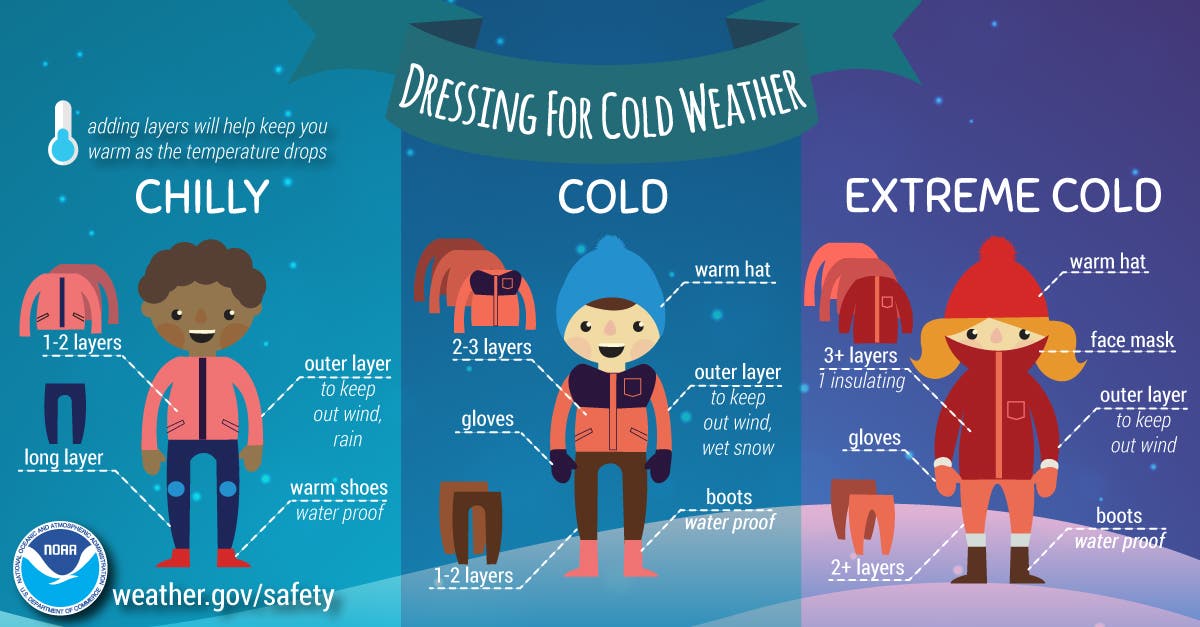
- Dress for the extreme cold, even if you don’t think you’ll be out much.
Put together a winter car survival kit for your vehicle. Be sure to include:
- Definitely include jumper cables, but you may want to include flares or reflective triangle as well.
- Flashlights and extra batteries.
- First-aid kit, including necessary medications, baby formula and diapers if you have a small child.
- Non-perishable food items such as canned food (don’t forget a can opener) and protein-rich foods like nuts and energy bars. If you travel with pets, make sure to include food for them, too.
- Water — at least a gallon of water per person a day for at least three days.
- Basic toolkit with pliers, wrench and screwdriver.
- Cat litter or sand for better tire traction.
- Extra gloves, hats, sturdy boots, jacket and extra change of clothes for the cold.
- Blankets or sleeping bags.
- A car charger for your cellphone
Beth Dalby, Patch staff, contributed to this report
Photo by Costel Slincu via Flickr
Get more local news delivered straight to your inbox. Sign up for free Patch newsletters and alerts.