A movement for rights and equality has been sweeping Israel since last summer. At its height, a half-million Israeli protesters – which in terms of Israel's total population is proportionally equivalent to 19 million Americans – filled the streets. This protest movement continues to build and mature, although Israeli media coverage has waned. One of the leaders of this phenomenon is a 27-year-old woman named Stav Shaffir.
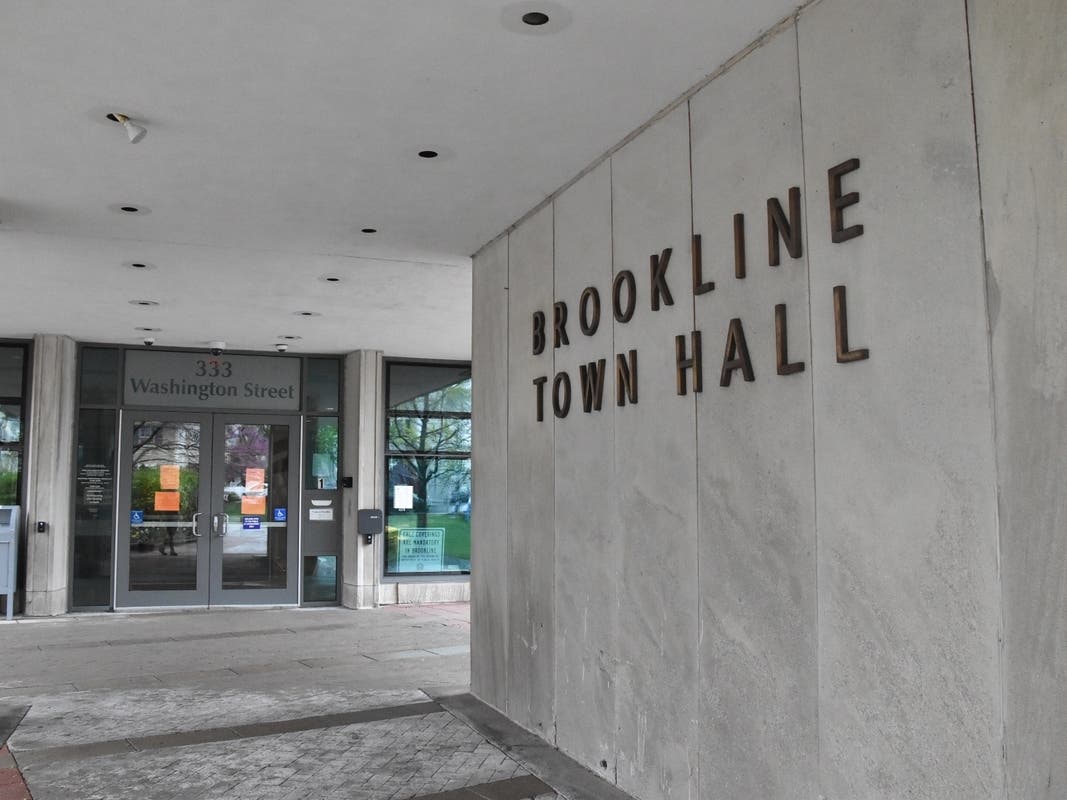
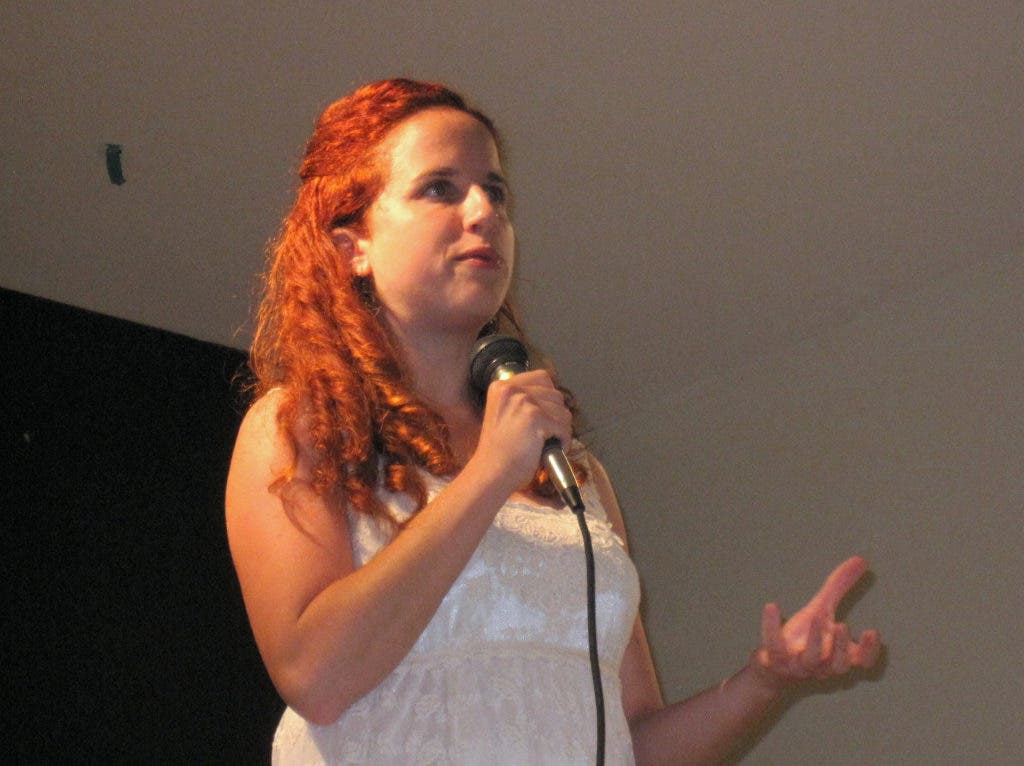
On June 13, Shaffir spoke to a crowd of over 120 at Congregation Kehillath Israel in Brookline, organized and sponsored by the New Israel Fund. The event was co-sponsored by the Boston Workmen's Circle, J Street Boston, J Street U, Jewish Community Relations Council of Greater Boston, Moishe Kavod House, and Temple Hillel B'nai Torah.
Charlie Radin, a board member of Congregation Kehillath Israel, introduced Shaffir. He said that the synagogue wished to promote civil discourse and to present a variety of perspectives on how Israelis can "make a better life for themselves, their families, and all citizens of this treasured state of the Jews."
Find out what's happening in Brooklinefor free with the latest updates from Patch.
Last year, Shaffir left her job as a journalist for Tel Aviv's daily newspaper Yediot Ahronot to become a full-time activist for social change in Israel. Initially Shaffir joined a protest to draw attention to the high cost of housing. Perceiving it as a mainstream, innocuous idea, she was surprised when police tried to deny permission for demonstrators to pitch tents, and when the protest started to spread to other cities. Shaffir wondered: "Maybe we should dedicate our time to bigger issues." She found herself at the center of what coalesced into a full-fledged social protest movement.
Discussions about broader issues drew in more people. Last summer there were regular Saturday evening rallies in 120 tent cities across Israel. "It became that ideal society," Shaffir recollected, in which restaurants donated food, professors gave free lectures, and strangers shared intimacies.
Find out what's happening in Brooklinefor free with the latest updates from Patch.
The mood changed in August after terrorists struck the city of Eilat. The Israeli government tried to shut down the protests, Shaffir said, on the grounds that they weakened Israel's defense against terrorism. The movement decided that protesters in vulnerable areas of Israel would take shelter but the public demonstrations would continue in Tel Aviv. When tens of thousands of people participated in a silent march, Shaffir said, they seemed to articulate clear values: there is a kind of security that can't be won with weapons, but instead must be achieved through a focus on social issues.
Shaffir continues to work for what is now called the Social Movement. The movement continues to evolve, looking for ways to effect political change outside of Israeli partisan politics. She described a recent victory for the movement: in response to their demands, the Knesset voted in January to begin providing free education for three-year-old children.
Taking audience questions, Shaffir explained pragmatic reasons for avoiding the topic of military spending. While some people argue for reallocating money from defense to social services, she pointed out that such proposals are especially difficult for Israel given the unknown probability of war with Iran. She also said she feared that the movement would "immediately lose" their arguments for social welfare if they linked it to the tense debate about Israel's occupation of the Palestinian territories.
New Israel Fund brought Shaffir to Boston for the talk. She also recently spoke as a keynote at J Street's national conference in Washington, D.C. last March. There she argued: "When our grandparents came to the Middle East to pursue their great dream, they did it with incredible courage." So, she concluded, "We will never give up."