Health & Fitness
West Nile Mosquitoes Found in Brookline
Mosquitoes in traps in south Brookline tested positive for the virus, according to the state Department of Public Health.


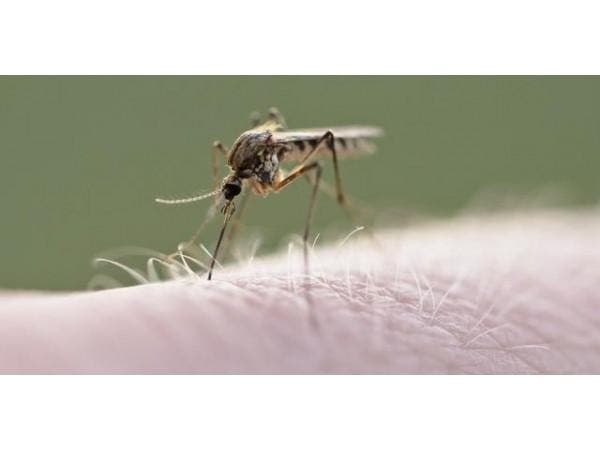
Brookline, MA – Mosquitoes in traps in south Brookline have tested positive for West Nile Virus, according to the Massachusetts Department of Public Health.
The Brookline DPH has set the risk level at "moderate," though it has determined that the virus is present throughout the town.
Most people bitten by infected mosquitoes will experience little to no symptoms and recover on their own. However, persons over 50 years of age have the highest risk of contracting severe West Nile Virus.
Find out what's happening in Brooklinefor free with the latest updates from Patch.
Severe symptoms include high fever, muscle weakness, headache, disorientation, neck stiffness, paralysis, coma, tremors, convulsions and sometimes death, DPH says.
Both people and animals are susceptible to West Nile Virus; there is no evidence that a person can contract the virus from handling live or dead birds or animals, though gloves should be worn when handling any dead animals and dead animals should be double-bagged when discarded in the trash, DPH cautions.
Find out what's happening in Brooklinefor free with the latest updates from Patch.
The highest risk period for West Nile Virus is July through the fall.
The Brookline DPH is keeping close watch over potential mosquito-borne viruses. Mosquito collecting and testing began earlier this month and larvicide has been applied to all catch basins and some wetland areas to prevent the hatching of new mosquitos. Additionally, mosquito traps have been set up, and batches are being tested for the virus.
Inspections will be conducted at standing water areas throughout the town and spraying to kill adult mosquitoes may be done if recommended by the state. Brookline will make an effort to notify residents of potential spraying beforehand.
Visit www.brooklinema.gov/health or call (617) 730-2295 for mosquito-born virus information.
What can you do to protect yourself from bites? Follow these steps, courtesy of the Brookline Department of Public Health:
- Be aware of increased mosquito activity when outdoors between dusk and dawn. If you must be outdoors when mosquitoes are active, wear a long-sleeved shirt, long pants and socks. Cover baby carriages or playpens that are outdoors with mosquito netting.
- When outside, use a mosquito repellent. Repellents that contain DEET are the most effective, although DEET should not be used on infants. The CDC also recommends products which contain either the chemical Picaridin, found in Cutter Advanced; or products containing the oil of lemon eucalyptus.
- Alternatives to DEET that can also be effective for a limited duration (1hour) on the market are: citronella; Avon Skin-So- Soft Plus; Buzz Away, neem oil, and soybean oil. If you need help selecting a repellent, one useful repellent selector tool is available at http://pi.ace.orst.edu/repellents/.
- Avoid areas that tend to have a lot of mosquitoes, such as wetlands or swampy areas; fix holes in all window and door screens; remove standing or stagnant water in your yard where mosquitoes are likely to breed.
- Check your flower pots, wheelbarrows, garbage cans, birdbaths, swimming pool covers, clogged gutters on your house, old tires, etc.; repair leaking pipes and outdoor faucets; keep your grass cut short and bushes near your house trimmed so mosquitoes can’t hide; and call the health department if you see standing water problems that are not on your property.
Get more local news delivered straight to your inbox. Sign up for free Patch newsletters and alerts.