Schools
Burlington School District Tries To 'Untangle' Lower-Than-Expected MCAS Test Results
"We're not satisfied with the scores," Superintendent Eric Conti told the Burlington School Committee Tuesday.


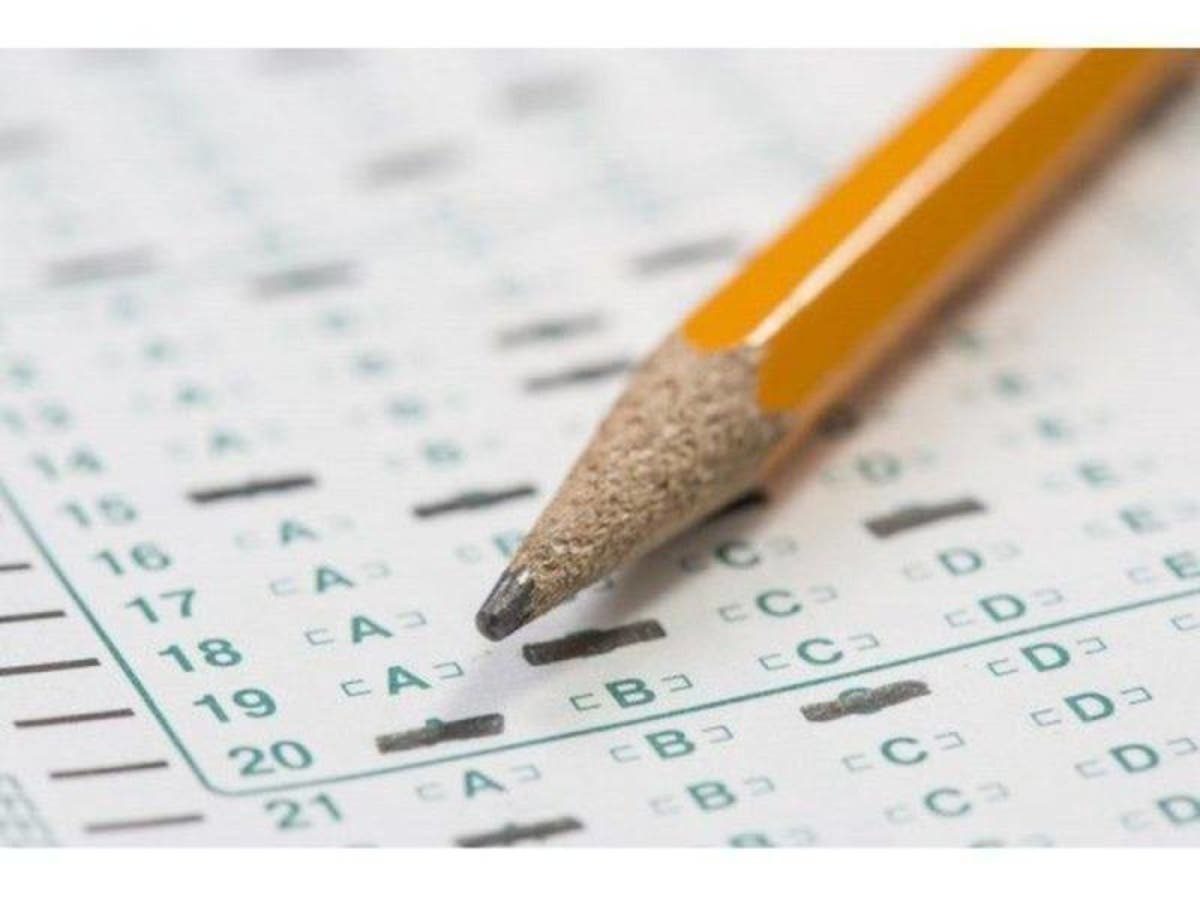
BURLINGTON, MA -- While admitting his explanation would sound defensive, Burlington Public Schools Superintendent Eric Conti tried to explain why students in the district scored lower than expected on MCAS test results the state released last week. In one example he presented to the school committee Tuesday night, Conti showed how responding to questions on a math exam using a computer was different than the pen-and-paper responses students had given in earlier versions of the exam.
"I want to stress we're not satisfied with the scores. Whether were happy or unhappy can't be determined yet. I would like to see the scores higher," Superintendent Eric Conti told the Burlington School Committee at its meeting Tuesday night. "We have a lot of untangling to do, and I want to explain some of thethings kids experienced while they took the test."
Subscribe to Burlington Patch for more local news and real-time alerts.
Find out what's happening in Burlingtonfor free with the latest updates from Patch.
Less than half of Burlington Public School students in grades 4-8 met or exceeded expectations on the English language arts MCAS tests administered last spring, according to test results released by the Massachusetts Department of Elementary and Secondary Education last week. Additionally, Burlington 4th and 7th graders scored lower than state averages in mathematics on the next generation MCAS test.
Overall, 41% of Burlington students in grades 3-8 met or exceeded expectations in English language arts, below the state average of 49%. In mathematics, 50% of students met or exceeded state expectations, above the state average of 48%.
Find out what's happening in Burlingtonfor free with the latest updates from Patch.
According to the Department of Elementary and Secondary Education, MCAS results are used to direct improvements in teaching and learning, assess school and district accountability and measure student accountability.
"This test is a big deal for us because no matter what you say, people are going to compare you to the other towns around you," said Assistant Superintendent of Learning Patrick Larkin. "That's just a fact of life whether or not the test was designed for that. The problem is every day when kids are doing writing for their teachers, they may not be doing it on an iPad...it's common sense, I think, if one of the few times in the year you are doing that activity -- writing -- and it's on something you're not familiar with" that kids will not perform as well.
Larkin said one of the changes that would need to be made is giving kids more practice in scenarios that mirror those that will come up on the test. But he doesn't want to over correct. "I don't want them learning how to write answers in a text box if that's not what they're going to encounter in the rest of their lives," he said.
While the district's overall results were released last week, the department had just received individual scores on Tuesday. Part of the untangling Conti referenced stems from the fact that the test has been completely revamped from the version of the standardized test that had been in place since 2000. Conti was one of about 40 people that sat on an state advisory committee that oversaw the development of the new test.
"They wanted to take the focus off students. They did not want to label the student as failing...they wanted to move the responsibility back on the school," Conti said. The test, Conti said, is a criterion reference test. Unlike norm reference tests like the SAT, which seek to compare students to one another, criterion reference tests try to show how students perform in mastering a body of knowledge. By design, Conti said, the new test standardized against national standards and should be better at predicting how students will do from one year to the next on MCAS testing.
"What this means for the first year is that 50% of the kids in the first year should not be meeting standards," Conti said. "Even though results have dropped across the state it does not mean students have learned less...it's a baseline year. You should not compare it to last year or the year before."
Patch file photo.
Dave Copeland can be reached at dave.copeland@patch.com or by calling 617-433-7851. Follow him on Twitter (@CopeWrites) and Facebook (/copewrites).
Get more local news delivered straight to your inbox. Sign up for free Patch newsletters and alerts.