Neighbor News
Route 128 Office Market is Softening
Cresa's latest commercial real estate report predicts a Route 128 office market correction that will create favorable conditions for tenants
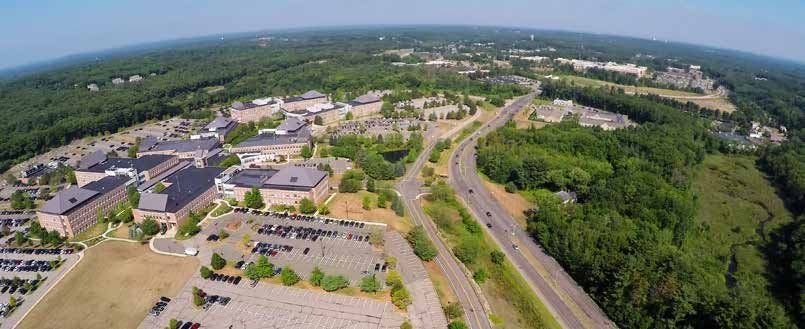
Image Source: Cresa
Article courtesy of Cresa Boston
This time last year, the Route 128 submarket was hot – and getting hotter. Demand for space was on the rise. Vacancy rates were low. Rents were high – in excess of $40 per square foot in some places. The 128 corridor was booming.
Find out what's happening in Burlingtonfor free with the latest updates from Patch.
As 2015 closed, we wondered: could we be seeing the early signs of a softening market? We noticed rents starting to plateau in the second half of 2015 after increasing nearly 25% between 2013 and 2015. Sublease
inventory was on the rise as well, putting downward pressure on rents for direct space. And finally, we saw more available inventory overall, which increased vacancy from 8% to 10% over the course of 2015.
These were all early signs pointing towards a hot submarket beginning to soften. A year later, we are seeing an undeniable market correction and downward trend in rental rates and tenant demand between Waltham and Burlington on Route 128. We believe this waning tenant demand will result in a 5-10% decrease in rents and landlord concessions over the next 6-18 months. In one year, the vacancy rate in this submarket has increased nearly two percent: from 9.9% in Q2 2015 to 11.8% at the end of Q2 2016. Where there were 18 potential options for a 20,000 SF user this time last year, a recent market survey of available properties now
shows 29 spaces available of that size.
Find out what's happening in Burlingtonfor free with the latest updates from Patch.
A Few Factors
Why the downward trend in rents and demand out along 128? We see a few contributing factors. Tenants are looking for cool, new buildings with numerous amenities to compete for the millennial workforce, while landlords are fighting the flight from the suburbs to relocate to downtown Boston – a trend that comes as tenants are occupying less space per employee. With college loans discouraging the new workforce from buying cars, heavy focus falls on easy access to public transportation and proximity to urban amenities. And finally, a state unemployment rate of around 4.7% creates a challenge for companies to find enough workers to fill positions – and thus fill vacant space.
All of these factors unfold while big occupiers of the market make moves of their own. Oracle continues to reduce its footprint in Burlington and just purchased NetSuite, while Salesforce just bought DemandWare.
Typically these purchases and integration of workforces result in layoffs and office space consolidation, leading an increased amount of inventory to come back on-line.
As we move out of what has been an overheated market the past 36 months and watch these factors play out, we will see landlords compete for a smaller domain of available occupants and the leverage swing back to the tenant.
Cresa is the world’s largest tenant-only commercial real estate firm. In representing tenants exclusively — no landlords, no developers — we provide unbiased, conflict-free advice. Our integrated services cover every aspect of a real estate transaction from site selection and financing to project management and relocation services. We offer our clients customized solutions with over 60 offices covering 75 markets worldwide. For more information, visit www.cresa.com.